Algorithm for Instagram

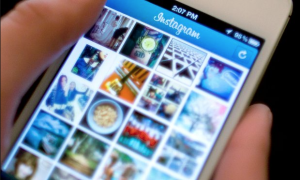
Perhaps one of the more popular social media outlets is Instagram. Many people enjoy the simplicity and organic feed Instagram has to offer. Unfortunately just as Facebook, Twitter and Google plus have done, Instagram will also be implementing an algorithm, which pushes more popular posts to the top of your feed. According to Instagram, people are not seeing around 70 percent of posts on their feeds (Isaac, 2016). Of course that may largely be due to the thousands of brands and companies people are following that allow friends and families posts to be swallowed up in the chaos of posts.


Screen Shot 2016-03-17 at 8.35.06 AM


Like many social media outlets, Instagram is rapidly growing each month. The implamentation of this algorithm will allow for more personalized posts to appear. According to the New York Times,

“That could mean that if your best friend posted a photo of her new Bernese mountain dog’s puppies five hours ago while you were on a flight without Internet connectivity, Instagram might place that image at the top of your feed the next time you open the app. Based on your history of interaction with that friend, Instagram knows you probably would not want to miss that picture. “

This sounds totally awesome to some people and not so favored by others. The plan for Instagram is to boost up more popular posts and make sure those users that people interact with most are being both seen and heard on Instagram. Learning how to work this algorithm may be difficult for users if organic photo sharing is something your good at.

Screen Shot 2016-03-17 at 8.39.07 AM


This has a lot of people upset, as the organic feed offered by Instagram is a favorite feature amongst many users. Unfortunately, Instagram has adopted this new form of photos sharing just as other social media giants have.

This may be exciting news for marketers who are very involved with their consumers via Instagram. Products and promotions may be able to be seen for longer or by a larger audience if marketers can figure out how to work this new algorithm feature.

The ability to take advantage of this algorithm may be challenging for some to understand, but brands and organization that use Instagram on a daily basis may benefit from this new feature, generating more followers and interacting more with users.


Resources

http://www.adweek.com/news/technology/what-instagrams-new-algorithm-could-mean-agencies-and-brands-170243


Posted in Uncategorized | 3 Comments

Travel Well with Westin

For the last several years, Westin Hotels, a part of the Starwood Group has been cultivating an experience that enables customers to travel well. Starting in 1999 with their “Heavenly Bed”, Westin has gradually accumulated other collaborations to provide consumers with opportunities to play out their business trip or vacation with as little disruption to their routine as possible. In 2014, this evolved into the launch of a brand new campaign, Westin Well-being Movement. Two years later, their campaign is still going strong and 2016 marked a renewal of the campaign’s imagery and social media presence.

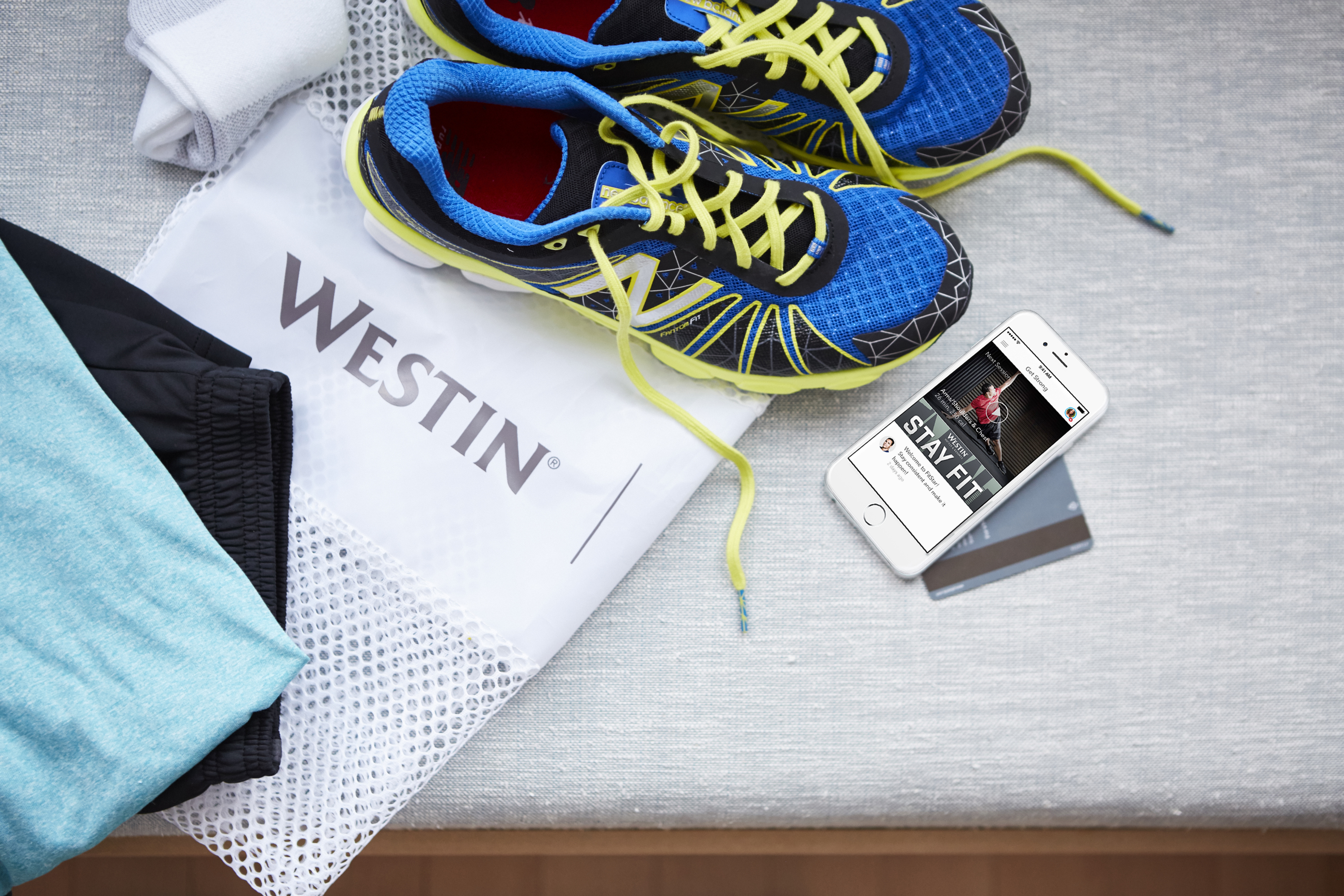
bg-1bg-1-1Think about what changes you go through when you travel. Does your marathon training get interrupted? Do your kids start bouncing off the walls from too much restaurant or fast food? Do you stress over your meeting because you don’t sleep well in hotels? Travel can increasingly add layers of stress or inconvenience to our lives, and it looks like Westin found an excellent niche to market to. They particularly market the wellness campaign to travelers who experience high levels of stress, travelers who live a healthy and active lifestyle, and travelers who want a more leisurely and wholesome hotel experience. Westin particularly targets the athletic or active guest with exercise focused programs like a RunWestin concierge, running groups around the local area, and a New Balance shoe rental program. Nowadays, wellness is a luxury!

Evi-Abeler-Photography-Westin-Fitbit-372


Evi-Abeler-Photography-Westin-Fitbit-036

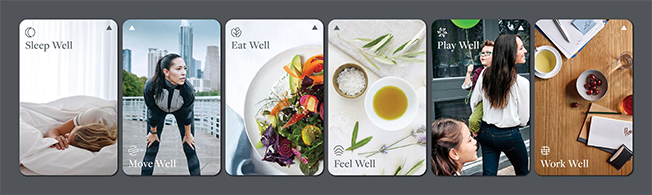
Based on six pillars of wellness, the campaign thoroughly emcompasses every part of the guest experience with free services, or additional add-ons. Sleep well, eat well, move well, feel well, work well, and play well are at the core of this campaign. One or more of the six pillars is always present in the Westin customer experience, from the various services offered for each pillar (i.e. sleep encouraging superfoods) and visual branding on posters, menus, in-room placards and guest key cards constantly reminds guests that they are there to relax and be well in health.

westin-brand-identity-hed-2016

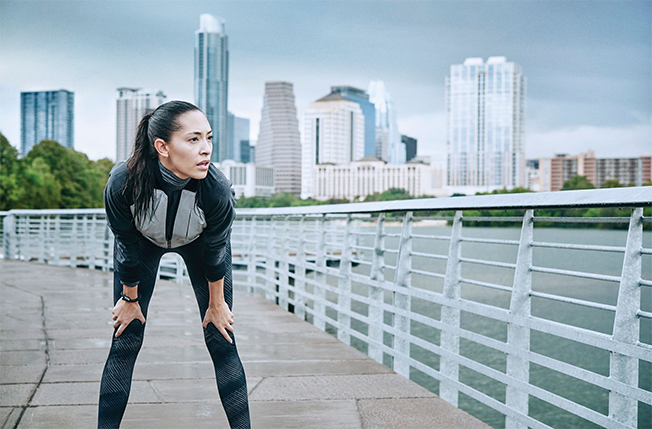
It truly is a well integrated campaign, aimed at both guests and employees. Collaborations with Headspace meditation, FitStar app workouts, and New Balance help add a legitimate and serious tone to the campaign. Westin isn’t just trying to pander to customer needs, they mean it, and they prove it by going the extra mile for guests. 2016 visuals designed by ad agency BBH New York allow consumers to picture themselves living out the wellness lifestyle at Westin. Images are fresh and high definition, showing people in wellness moments, like runners in urban settings, fresh wholesome food, zen-balanced work spaces, or poolside.

I don’t know about you, but these images make me want to go on a run through an new city! Next time I travel, I’m packing my running shoes alongside my heels… then again, if I stay Westin, I won’t have to waste the space, and I’ll just borrow some shoes. See where I’m going? They make it easy for the customer to rationalize how Westin would fit in better with their lifestyle.

westin-runner

Relevance of the food images are debatable, but visually, they come across as wholesome and fresh – very in keeping with the campaign’s messaging. The 2016 campaign pushes Westin’s wellness messaging across popular channels, especially across social media, especially Instagram, with the beautiful images of food and relaxation. According to Westin’s brand manager, visuals on social media like Instagram largely inspired the tone of the current campaign.

westin-wellness-cards

westin-freshThis campaign seeks to rebrand Westin as a lifestyle, and a global one at that. Westin is loudly confident they are the only hotel chain that is pursuing a wellness campaign, however, other sources identify competing hoteliers Hyatt and Intercontinental Hotels also have created their own wellness programs. Though Westin’s claims may not be completely true today, they certainly stand out as the most prominent and successful of the hotel chains to create a wellness lifestyle that enables customers to continue living their lives without stress or interruption.

References

Birkner, C. (2016, March 10). How fitness, health, and beauty trends shaped Westin’s new visual identity. Adweek. Retrieved from: http://www.adweek.com/news/advertising-branding/how-fitness-health-and-beauty-trends-shaped-westins-new-visual-identity-170117

Westin Well-being Movement. Retrieved on March 12, 2016 from: http://westinwellbeing.starwoodpromos.com

Levere, J. (2014, Mar 19). Westin creates six pillars of well-being in a program for guests and employees. The New York Times. Retrieved from: http://www.nytimes.com/2014/03/20/business/media/westin-creates-six-pillars-of-well-being-in-a-program-for-guests-and-employees.html?_r=1

Trejos, N. (2014, March 22). Westin hotels launches year-long wellness campaign. USA Today. Retrieved from: http://www.usatoday.com/story/dispatches/2014/03/22/starwood-westin-wellness-health/6690963/

Posted in Uncategorized | 5 Comments

Will the Ruler of Social Media be the next POTUS?

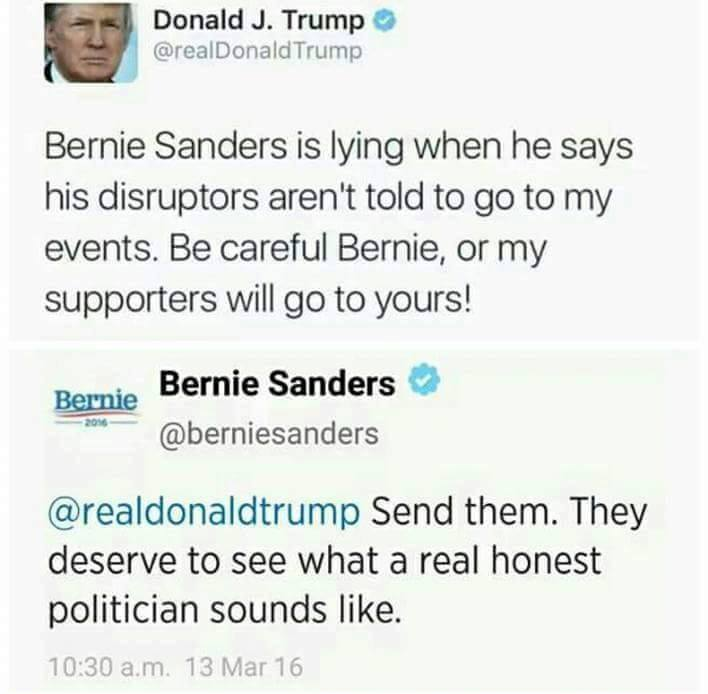
So a few days ago I saw this. And I got excited; it looked like such a good ‘Bern’ regardless of whom you support.

trump-vs-sanders

And while Snopes ultimately showed the Sanders tweet to have been falsely contrived, it got me to wondering how crazy the social media war might actually be. I don’t recall the enormous activity and direct attacks even just four years ago, so how are the candidates working the Interwebs, and is it doing any good?

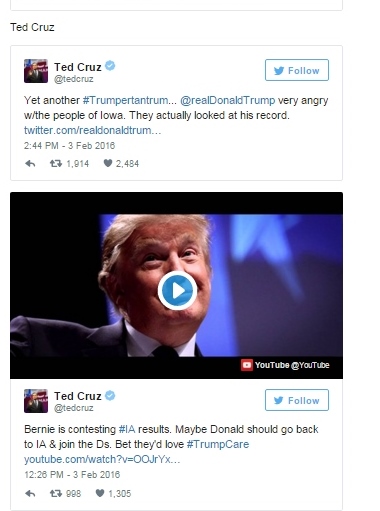
In 2008 Obama revolutionized presidential campaigns by actively recruiting volunteers, raising funds and swaying voters with his active social media campaigns (Caitlin B., 2016). Now, according to the Hileman Group (Caitlin B., 2016), it’s a candidate’s most vital tool. They use it to communicate to and with their constituents, and also each other (Peterson, H., 2016).

CruzTrumpTwitter (2)

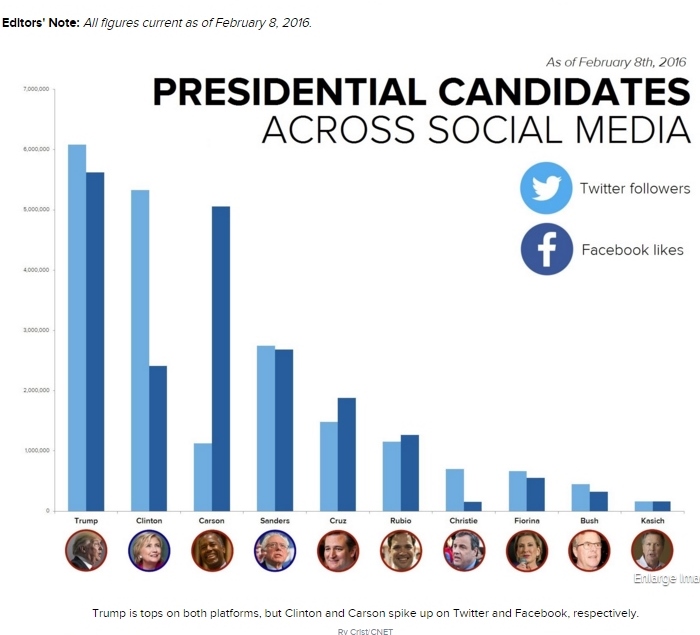
According to CNET (Crist & Petrakovitz, 2016), just a month ago the then-expansive pool of candidates had gone beyond Twitter and Facebook to engage voters on YouTube, Instagram, Snapchat and Reddit. One can assume they were avidly vying for the vote of the Millennial, currently the largest generation of potential voters (Fry, 2015) and biggest consumers of most of these social media channels (Lynch, 2014).

As of February 8 of this year, Trump topped Facebook and Twitter, with more than five million likes and followers on the respective platforms (Crist & Petrakovitz, 2016). Clinton was second by a hair on Twitter, while Carson came in second on Facebook. Surprisingly, Sanders, who is alleged to be the choice of Millennials, trailed all three by significant amounts, though he ranked highest in YouTube subscribers. Trump is the number one for GOP candidates, but is back on top on Instagram, with Clinton just behind him on both platforms.

SM ranking (2)

But is this working?

Earlier this month, the Hileman Group (Baker, C., 2016) scored each candidate to determine who might become the next president, if only based on their social media savvy. Measurements came from their Klout score, the number of Facebook, Twitter, and Instagram followers (combined), and their website’s power (as defined by popularity, size and backlinks, to name a few factors). The results showed Clinton that the social media presidency would be declared for Clinton, whose dominance in Klout score and domain authority surpasses the enormous social media presence of Trump.

And after tonight’s campaign results, these reuslts sure seems to represent the current state of the presidential election, both Trump and Clinton dominated the polls with big wins each in three states, and Sanders running closely behind. It’ll be fascinating to see how this plays out in the long run and to learn the degree of impact social media has on the highest office in the country and the leader of the free world.

References

Baker, C. (2016, March 9). Who would win the social media presidency? Hileman Group. Retrieved from http://www.hilemangroup.com/blog/march-2016/who-wins-the-social-media-presidency.aspx.

Crist, R. & Petrakovitz, C. (2016, February 8). How the 2016 presidential candidates measure up on social media. CNET. Retrieved from http://www.cnet.com/news/2016-elections-comparing-presidential-candidates-on-social-media/.

Fry, R. (2015, January 16). This year, Millennials will overtake Baby Boomers. Pew Research. Retrieved from http://www.pewresearch.org/fact-tank/2015/01/16/this-year-millennials-will-overtake-baby-boomers/.

Lynch, A. (2014). Can you hear me now? Reaching five generations with your message. Bottom Line Conversations. Retrieved from www.generationaledge.com.

Peterson, H. (2016). Twitter wars ensue between presidential candidates. Talk 650 KSTE. Retrieved from http://kste.iheart.com/onair/heathers-digital-news-57084/twitter-wars-ensue-between-presidential-candidates-14344714/.


Posted in Uncategorized | 5 Comments

5 Well-known Brands and Ways They Use Snapchat in Their Marketing Campaigns

image

Snapchat has become a Social Media leader in the Age 13-34 target market (Brand Guidelines), but how has it affected companies who also target people within this demographic? What do they do to stick with these ever evolving trends? How do they compete with other forms of social media?

Thus, I give you these 5 brands…

Taco Bell – “Going Where the Audience Goes”

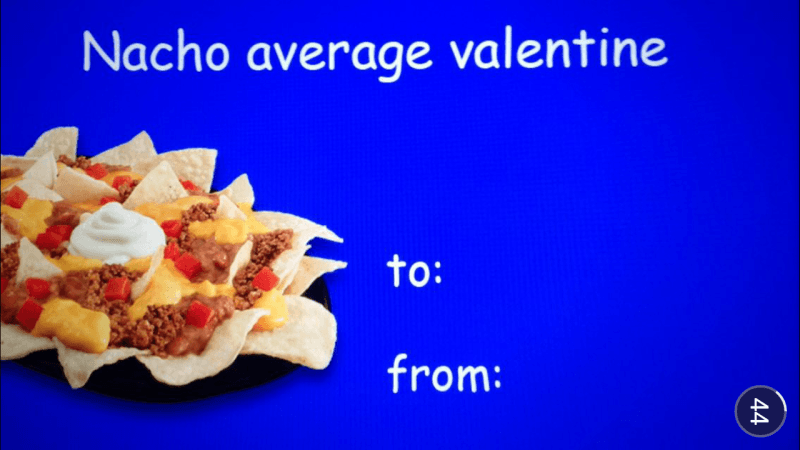
The fast food chain is best known for it’s overplayed commercials, but they can now be seen as the life of the party on the social media scene. They know how to be active where their customers are most active, and they use Snapchat stories to introduce new menu items to better build their brand and continue their witty advertisements. Timing their stories right can engage their consumers and encourage them to come in when they are hungry and find the nearest Taco Bell location, since they are widespread and get returning customers excited about new menu items or affordable deals (Smith, 2015).

image                 image

GrubHub – “Creating Brand Advocates”

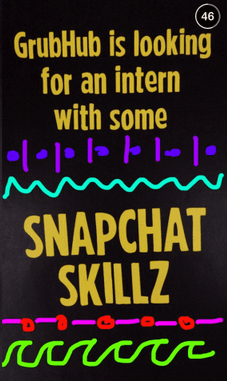
GrubHub has gone above and beyond to be proactive in the social media environment and interact with their customers on Snapchat, mainly because their food delivery system relies on technology and the use of cell phones for online purchases (Smith, 2015). To enhance their delivery service, they send out frequent steals and deals, while telling people about their good service. They even use it to recruit and hire for their brand, making the process interactive and fun. They became famous for running a contest for an internship interview by creating a doodle drawing on Snapchat (Smith, 2015). They have been able to utilize multiple technological features of the app to create positive marketing campaigns (Jarboe, 2015). GrubHub also does a great job of using different social media outlets to promote their company services and all work together, like teasing deals on Twitter but sending customers to Snapchat to claim their coupon.

Wet Seal – Collaboration and Influencer Marketing

Wet Seal does much of the same on Snapchat, providing exclusive behind the scenes footage and coupon codes, but they also have tried something a little different. The clothing brand targets younger females and does a great job of finding those in that target market who are current influencers on social media and collaborate with them on a marketing campaign via Snapchat. Last year Wet Seal partnered with MissMeghanMakeup, an 18 year old beauty blogger with thousands of followers on all her social media accounts (Smith, 2015). Just by working with her for two days, the brand was able to capture her teen female audience and even earned the Shorty Award for the “Best Brand on Snapchat”. Knowing that she already had a huge impact in their target market, they’ve done a great job of using their resources and knowing how they can better create relationships to score within their targeted audience (Brand Guidelines, n.d.).

McDonald’s – Real-time Snapchatting

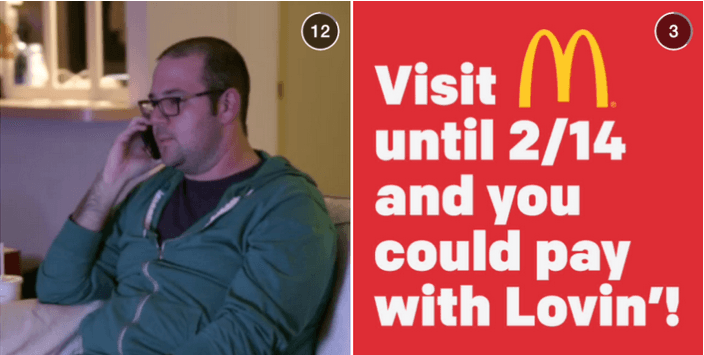
Other social media accounts let you keep your posts forever, and Facebook even tells you what you posted years ago – but the beauty (and sometimes pain) of Snapchat is that stories and snaps are gone in a flash and lost forever. McDonald’s integrates Snapchat with other forms of social media, particularly Twitter, to engage their viewers and current or future customers – whether they’re watching the Super Bowl or just simple advertisements online, the brand reaches people in the moment and at the right time (Smith, 2015). People who aren’t busy, who are browsing through social media, or watching television, would see their Snapchat campaigning and want to be a part of it, and more inclined to participate because there is something in it for them (usually a coupon or a contest). By reaching their audience and getting out the message about new items, brand campaigns, and other company matters they can successfully reach people at just the right time with real-time Snapchatting that is live, and feels like a conversation (Smith, 2015).

image

HBO’s show ‘Girls’: Broadcasting Teasers

The popular HBO series successfully engages current viewers and knows how to bring new viewers on board, particularly people who might not have HBO channels or heard of the show. They also use Snapchat features to remind people of new episodes and provide behind the scenes content, a good marketing strategy to make viewers feel like they are a part of something and essentially “friends” with the brand – even though they are simply followers (Smith, 2015). They make all of their content seem exclusive and that’s what an audience likes to experience. Also, when it comes to timely reminders, people who are active on social media and are busy can appreciate knowing when their favorite shows are on or when a new episode is available (Jarboe, 2015). This campaign is highly effective, and when used in combination with other social media portals, brands like this can keep the conversation going with fans and followers to increase popularity of the company (ie. A television show) and leave them wanting more from Snapchat.

Many companies have jumped on the Snapchat bandwagon, but it is obviously hard to compete when everybody is trying to make their marketing campaign the best and the most current and modernly acceptable.

Some top marketing tips for brands on Snapchat are: (Abono, 2016)

– Increase user engagement with story replies
– Create customizable on-demand Geofilters
– Offer exclusive discounts for followers
– Target content to select followers directly
– Utilizing the stories feature
– Build up to a moment, event or launch of a product (Abono, 2016)
– Back a marketing campaign with Snapchat Ads

References:

Abono, C. (2016, March 11). 7 Tips for a Successful Snapchat Video Marketing Campaign. Retrieved March 14, 2016, from http://www.reelseo.com/7-tips-snapchat-video-marketing-campaign/

Brand Guidelines. (n.d.). Retrieved March 14, 2016, from https://www.snapchat.com/brand-guidelines

Jarboe, G. (2015, March 23). Snapchat: How Ephemeral Video Marketing is Engaging Viewers. Retrieved March 14, 2016, from http://www.reelseo.com/snapchat-video-marketing/

Smith, A. (2015, April 29). 5 Ways Brands are Using Snapchat for Marketing. Retrieved March 14, 2016, from http://www.reelseo.com/brands-snapchat-marketing/

Wagner, K. (2015, April 13). Snapchat Is No Longer Selling Its Original Ad Unit, Brand Stories. Retrieved March 14, 2016, from http://recode.net/2015/04/13/snapchat-is-no-longer-selling-its-original-ad-unit-brand-stories/

Posted in Uncategorized | 8 Comments

How to Play and Win the Recruiter’s Marketing Game

When it comes to getting that job you want, it’s all about who you know. At least, that’s what we have been told. While there definitely is some truth in this, why is recruiting a $100 billion (annual) industry (Adams, 2016)? Why do we need sites like Glassdoor? And why are we constantly bombarded in the news with how hard it is to get a great job, especially for millennials? In a recent Forbes article, Susan Adams sits down with Robert Hohman, the founder of Glassdoor, a website basically for prospective employees of different companies (2016). On the site are key pieces of information about companies – salary information, boss reviews, interview tips, company reviews, and so on (2016) – obviously, pieced of information prospective employees would find very useful. There are over 500,000 companies listed on the site, and many of the companies will pay thousands of dollars (even up to over $100K) every year in fees for what essentially enhanced marketing on the site.

However, this brings me back to my original question (reworded), why does there seem to be so much disconnect between the employment situation along with so much talk of income inequality in this country while at the same time, such massive amounts of money spent on marketing to get the best employees? It would seem true that (although less compared to the recession) there seems to be a huge supply of people seeking employment. However, it also seems true, based on the recruiting industry being worth $100 billion per year and the popularity of sites like Glassdoor, that there is a huge demand for employees. So, what is really going on here?

  1. Hiring costs are extremely high (Huan, 2013).

It is actually cheaper for companies to leave a position unfilled and spent a huge amount of money marketing to find the right employee than it is to hire the wrong employee. These costs range anywhere from the obvious such as training costs to the hidden costs such as unemployment insurance, wasted time, lost productivity, and potential lost contracts or business from clients due to experience with a bad employee (Goltz, 2011).

Practical advice to overcome this: Be a good employee. Have someone objectively analyze your strengths and weaknesses. What could you improve on? Where are you messing up? Do you need to change your attitude? Furthermore, make sure if someone is going to hire you, they at the very least believe you REALLY want to work there and are not going to be a flight risk 1 or 2 years down the line. Many hiring managers can smell this from your resume/interview thus try your best to make sure you really are a good fit for what you are applying for.

  1. Top talent is extremely hard to come by (Huan, 2013).

This is the one that gets me. It seems the main reason companies spend so much in marketing to get the best employees is because real talent is almost impossible to find (Adams, 2016; Huan, 2013; Taylor, 2016). Not everyone can be a genius, but still, why is it so hard to find good talent and what does it take to be top talent? Of course, the definition will vary, but in general, a good employee is composed of the following ingredients: ample skills, appropriate education, and outstanding experience (Huan, 2013). This seems to be the problem for millennials. I have heard it from many of my friends – how am I supposed to get all of these things? Great jobs require great education, but often the great job also requires significant experience, thus how are you supposed to get this experience if you are focused on getting the great education? It’s almost like a Catch 22.

Practical advice to overcome this: Get creative! In a perfect world, one can gain the needed experience while attending college/grad school. Whether via internship, lower level entry positions, or even volunteer work, there are ways. I know some people that started businesses while earning business degrees. I remember reading an article last week about USC Basketball player Sam Dhillon (Go Trojans!) who is not only is conducting Alzheimer’s research and planning to go to medical school, but also runs a $3 million investment company (http://www.usctrojans.com/sports/m-baskbl/mtt/samer_dhillon_853443.html). Another piece of advice that I have heard works well is to find out the qualifications needed for your dream job years in advance and then mold your life to get the qualifications (i.e. which degree, what job to have in the meantime, who to talk to, where to live, etc…). Finally, if you are a business owner (or plan to be), another piece of advice is that of Huan’s (2013): Don’t hire the perfect candidate! You may never find them. This is not to say you should hire a bad candidate, but rather you might be better off hiring the trainable candidate – someone that may not be the perfect fit just yet, but who could easily become the perfect fit via some training and development.

  1. People are not looking in the right places.

As I mentioned above, companies are spending collectively $100 billion per year in basically marketing to get the best talent. Take advantage of this! Make sure your Linked In looks outstanding, have people objectively review your profile, use Glassdoor, use social media, talk to those connections you, your family, or friends might know, find ways to make yourself “match” with the job you really want (without going so far as to lie); in other words, be proactive! One of my friends used Linked In, created a profile that matched with the type of job he wanted to have and went from making $25,000 per year to now $80,000 per year in literally 2 years. He didn’t lie on his profile, but one of the key things he put to count as “experience” was knowledge of certain accounting programs and experience using the programs for different clients. The trick? He taught himself the programs and the clients were basically I think 2 different individuals he found online and had worked with like one weekend per month for a few years on the side. Thus, he didn’t have to lie. The point? Experience does not necessarily have to be 5 years of working 9-5 for a specific company with a specific job title.

References

Adams, S. (2016). The founder of glassdoor explains how playing world of Warcraft led him to create a company valued at $1billion. Forbes. Retrieved from http://www.forbes.com/sites/forbestreptalks/2016/03/10/the-founder-of-glassdoor-explains-how-playing-world-of-warcraft-led-him-to-create-a-company-valued-at-1-billion/

Huan, L. (2013). Don’t hire the perfect candidate. Harvard Business Review. Retrieved from https://hbr.org/2013/01/dont-hire-the-perfect-candidat/

Goltz, J. (2011). The hidden costs of bad hiring. The New York Times. Retrieved from http://boss.blogs.nytimes.com/2011/03/01/the-hidden-costs-of-bad-hiring/?_r=0

Taylor, N.F. (2016). 6 ways to ensure you’re recruiting the best talent. Business News Daily. Retrieved from http://www.businessnewsdaily.com/6252-tips-for-recruiters.html

Posted in Uncategorized | 6 Comments

When Social Becomes the Creative

In an attempt to “speak the language” of their consumers, brands are utilizing different forms of creative to market their products. The popularity of streaming services like Hulu, Netflix and Amazon Prime and social media platforms like Instagram, Facebook, and Snapchat, have made it difficult for brands to reach their consumers with stereotypical, “product heavy” creative, especially in television ads. To reach their audiences, brands are slowly integrating the popularity of digital culture, social media platforms, and social influencers, into their creative strategy. The “look and feel” of the ads are moving from highly produced, to the look and feel of the digital platforms we know and use in our daily lives. That is not to say, these “new” ads are not highly produced, they however, use a different aesthetic, and follow the snackable or micro-content format that consumers gravitate towards. Although using celebrities isn’t new in advertising, partnering with social media influencers, who are not your typical celebrity or “expert” is a different approach and risk that brands are willing to take. 

ADIDAS

Most recently, Adidas rolled out several of their “Here to Create” ads featuring celebrities, athletes, and social influencers to market their products. The ads give viewers a glimpse into the lives of these influencers through pictures and videos on their Instragram feeds. Below you’ll find fitness artist, Nicole Winhoffer and supermodel Karlie Kloss.

https://www.youtube.com/watch?v=mBwhdjaMfBA

https://youtu.be/BiwGl9PpMck

COLGATE

Colgate partnered with Youtube Influencers Blair Fowler and Andre Brooks to advertise their latest Colgate “Optic White, Express White Toothpaste.” The ad matched the influencers’ video content, and was filmed similarly to other Youtube influencer formats, where influencers “speak” directly with their audience in a conversational tone and review their favorite products.

https://www.youtube.com/watch?v=Zx3mzeIlc2w

DISNEY PIXAR

Disney & Pixar took a similar approach, but used their new animated characters to market the film, Zootopia. The creative strategy was heavily based on the popular culture of social media platforms and sharing. Almost all of the advertising, both traditional and digital, were designed in the “selfie” format, making the animated characters relatable to our current digital culture.  

https://www.youtube.com/watch?v=-8u5dMlrAlI

I wonder how many more ads we will be seeing in the near future that will integrate digital platforms into the creative.  

Posted in Uncategorized | 1 Comment

POTUS is the Ultimate Brand Activation

The leader of the free world visits techfest….and for good reason.

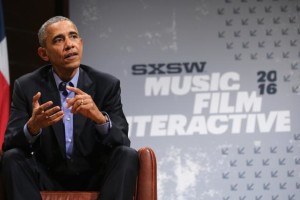
President_Barack_Obama_speaks_at_2016_SXSW_2_cr_Neilson_Barard_GettyImages_for_SXSWPresident Obama visited the South by Southwest conference in Austin, Texas this past week and offered some pretty powerful comments. The President pointed out that technology has made many tasks extremely simple, yet we have not implemented these changes to assist in civic duties. He  said, “And it is much easier to order pizza or a trip than it is for you to exercise the single most important task in a democracy” (Ives, 2016). He did not directly mention the current fight between Apple and the FBI in regards to the terrorist attacks in San Bernardino, but he did tell the audience he was there to recruit them to assist in developing technologies to make civil duties easier (i.e. tax management, voting) and also to make us all safer.

So what does this all have to do with marketing communication you ask? Simply put, President Obama’s presence is an example of a well-executed brand activation. 

President Obama’s presence and keynote speaking opportunity represented the pinnacle of a successful brand activation for SXSW Interactive. This marked the first time a sitting President delivered remarks at SXSW. His presence is “built on the unmistakably marketing-tested practices of targeting the right audience with experiential content and deep brand interaction” (Weinroth, 2016).

Experiential content was delivered to the attendees of SXSW through the President’s presence at the event. It made a difference that he was there in person to deliver remarks rather than via video or teleconference. In marketing, there is “no substitute for brining the brand to life” (Weinroth, 2016). This builds excitement for the brand and also encourages and activates the audience to continue to communicate the brand’s message long after the activation occurs.

Another important marketing lesson demonstrated by President Obama’s participation at SXSW is that messages only matter if they are targeted to your intended audience. It is important for brands to not only understand who their audience is, but also what they like, dislike, what is important to them, and how they prefer to engage.  “President Obama’s keynote is a perfect example of targeting the right message to the right audience at the right time” (Weinroth, 2016). This event linked Obama directly with the market he needed to reach- tech-savvy millennials. His message on the importance of technology in the 21st Century would certainly resonate with his audience.

In this case, Obama was the brand. He had a very important message for the technology experts who will lead future development in that technology can be used for good and also bad. He mentioned that he would need their assistance in developing means to keep the country safe and also allow for further participation in democracy.

Even the President of the United States utilizes fundamental marketing techniques to communicate with his audience. Remember: the right message to the right audience at the right time!

References

Ives, N. (2016, March 11). Obama wants SXSW to help solve America’s problems, including Apple standoff. Advertising Age. Retrieved from http://adage.com/article/special-report-sxsw/obama-asks-sxsw-america-apple-fight/303086/

Weinroth, A. (2016, March 11). Obama: The ultimate SXSW brand activation. Advertising Age. Retrieved from http://adage.com/article/digitalnext/obama-ultimate-sxsw-brand-activation/303072/

Posted in Uncategorized | Comments Off on POTUS is the Ultimate Brand Activation

Not Your Mother’s Marketing – How to be Successful in a Digital World

smart phone user

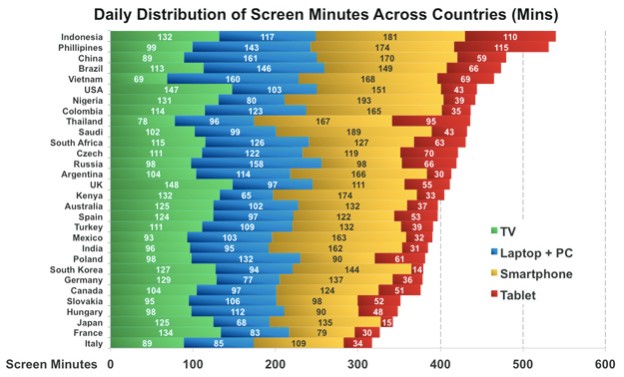
If you’ve ever wondered where the day went, a good guess might be that it went to staring at a screen. A better guess might be that it went to staring at your smartphone. On average, Americans spend over 7 hours a day staring at a screen, with smartphones and television topping the list over tablets and computers (Epstein, 2014). Data shows that Americans spend over 2 and a half hours a day looking at their smartphone (Epstein, 2014). It is estimated that by 2017 over 2.6 billion people in the world will own a smartphone (Statista.com, 2016) and these smartphone users will most likely use them to check their preferred social media sites (something we Americans currently do over 17 times a day) (Chang, 2015).
screen chart

These staggering stats are just a few that make an argument for companies to spend more time, more energy, and more money on their digital marketing strategies. Opposed to traditional marketing, digital marketing includes any means where marketing content is accessed electronically. Similar to traditional marketing, digital marketing has goals of building brand loyalty, promoting brands, and ultimately increasing brand value (Benitez, 2016).

To make a digital marketing campaign successful, companies need to commit to it. They can increase their chance of success by learning from others who have spent a considerable amount of time researching and improving their own digital strategies.

Below is a list of common tips from marketing gurus that can help with the creation and implementation of a successful digital strategy.

1- Go Social

Gary Vaynerchuk, author of Jab, Jab, Jab, Right Hook (2013), explains how important social media is to your digital campaign. Research has shown that all forms of digital marketing techniques have been struggling to resonate with consumers – that is, unless they include some aspect of social media (Vaynerchuk, 2013).

2- Integrate, Integrate, Integrate

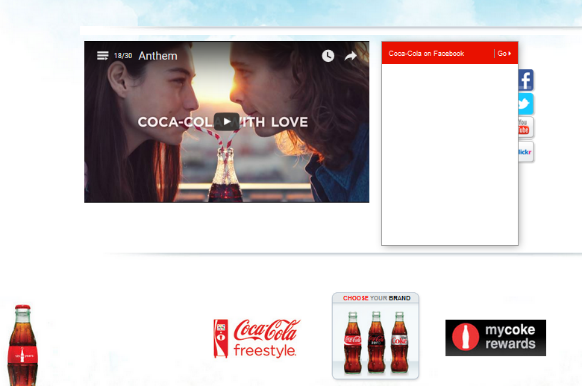
Consistent with Vaynerchuk’s advice, businesses should integrate their campaign media. While content should be specific to each platform and retain the native attributes of each site (Vaynerchuk, 2013), there should also be a consistent message, tone, and look that is evident throughout. Consumers should be able to easily move from one platform to another, for example, showing or telling consumers how they can interact with you on your website, by text, or on facebook at the end of an email or television commercial, (Tammeorg, 2016).
coca cola

3- Go mobile

This one’s a no brainer. From the stats above as evidence, your content must be easily accessed on mobile devices. Still need more stats? Mobile coupons are used 10 times more often than print coupons and when consumers (48% of them) come across websites that aren’t “mobile friendly”, they think the businesses that run them don’t “care about their business” at all (Tammeorg, 2016).

4- Research

With the high level of consumer choice that’s involved in digital marketing (fast-forwarding through commercials, marking email as spam, unfollowing on facebook), it’s imperative to provide value to the consumer (Vaynerchuk, 2013). You must research what your consumers are looking for (which will probably be different for each digital method) and fulfill that specific need (Stringfellow, 2016). This could be news or entertainment, or maybe its incentives (Tammeorg, 2016). If you don’t take the time to research what it is your consumer needs, you will waste resources giving them something else (Stringfellow, 2016).

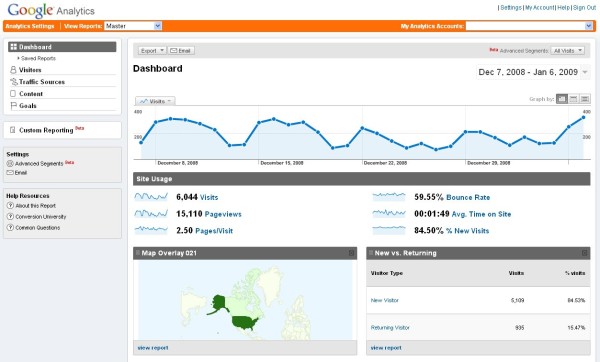
You should research where your audience is and what time of day they’re most perceptive to different content (Stringfellow, 2016). You should test out different ideas, like using photos vs. gifs vs. videos. Utilize analytics and in-page tracking to help you figure it out (Gerber, 2016).
analytics

Getting your digital strategy right might take time. Be consistent with your campaign schedule and don’t give up. Use your research to make changes as you go, focusing on giving consumers a personal experience that adapts to their environment (Stringfellow, 2016). Eventually you’ll get results far beyond those available in print.

References:

Benitez, J. (2016, March 10). 5 Essential Tools for a Winning Digital Marketing Campaign. Retrieved March 13, 2016, from http://www.business2community.com/digital-marketing/5-essential-tools-winning-digital-marketing-campaign-01479080#QbATgf21q6yXw0od.97

Chang, L. (2015, June 13). Americans spend an alarming amount of time checking social media on their phones. Retrieved March 13, 2016, from http://www.digitaltrends.com/mobile/informate-report-social-media-smartphone-use/

Gerber, S. (2016, March 8). 15 essential skills all digital marketing hires must have. Retrieved March 13, 2016, from http://mashable.com/2016/03/08/15-skills-digital-marketers/#TwXmv.yYAuq3

Epstein, Z. (2014, May 29). Horrifying chart reveals how much time we spend staring at screens each day. Retrieved March 13, 2016, from http://bgr.com/2014/05/29/smartphone-computer-usage-study-chart/

Topic: Smartphones. (n.d.). Retrieved March 13, 2016, from http://www.statista.com/topics/840/smartphones/

Stringfellow, A. (2016, March 8). Develop a Strategic Marketing Plan: Tips from 33 Marketers. Retrieved March 13, 2016, from http://www.docurated.com/all-things-productivity/strategic-b2b-marketing-plan

Tammeorg, B. (2016, March 11). Successful Mobile Marketing Campaigns: Tips for Small Businesses. Retrieved March 13, 2016, from https://www.salesforce.com/blog/2016/03/successful-mobile-marketing-campaigns-tips-small-businesses.html

Vaynerchuk, G. (2013). Jab, Jab, Jab, Right Hook: How to tell your story in a noisy, social world.

What is digital marketing? (n.d.). Retrieved March 13, 2016, from http://www.sas.com/en_us/insights/marketing/digital-marketing.html

Posted in Uncategorized | 2 Comments

How March of Dimes thinks native and “Jabs” its way to healthier babies

In his book “Jab, Jab, Jab, Right Hook” Gary Vaynerchuck lays out 6 rules for successful social media conversations. Content should be native, not interrupt, make demands sparingly, leverage pop culture, micro, and is consistent and self-aware (2013, p. 16-28). The most important point being that an organization should be native on its respective platform. Utilizing each platform, and playing to each of their individual strengths keeps content blended and viewers interested in their marketing. Going native can make sales pitches more natural and not turn off potential consumers who may be tired of seeing advertisements and promotions in their feeds.

Vaynerchuck illustrated some non-profit organizations that have utilized social media as a free marketing resource however some have been more successful in going native than others. I was interested in non-profit organizations who successfully utilized social media in the way that Vaynerchuck described. I found that the March of Dimes utilized the attributes of good social media. I analyzed their Facebook, Instagram, and Pinterest presence and found that March of Dimes does a good job of “jabbing” and creating conversations in a native fashion.

Facebook

Picture1

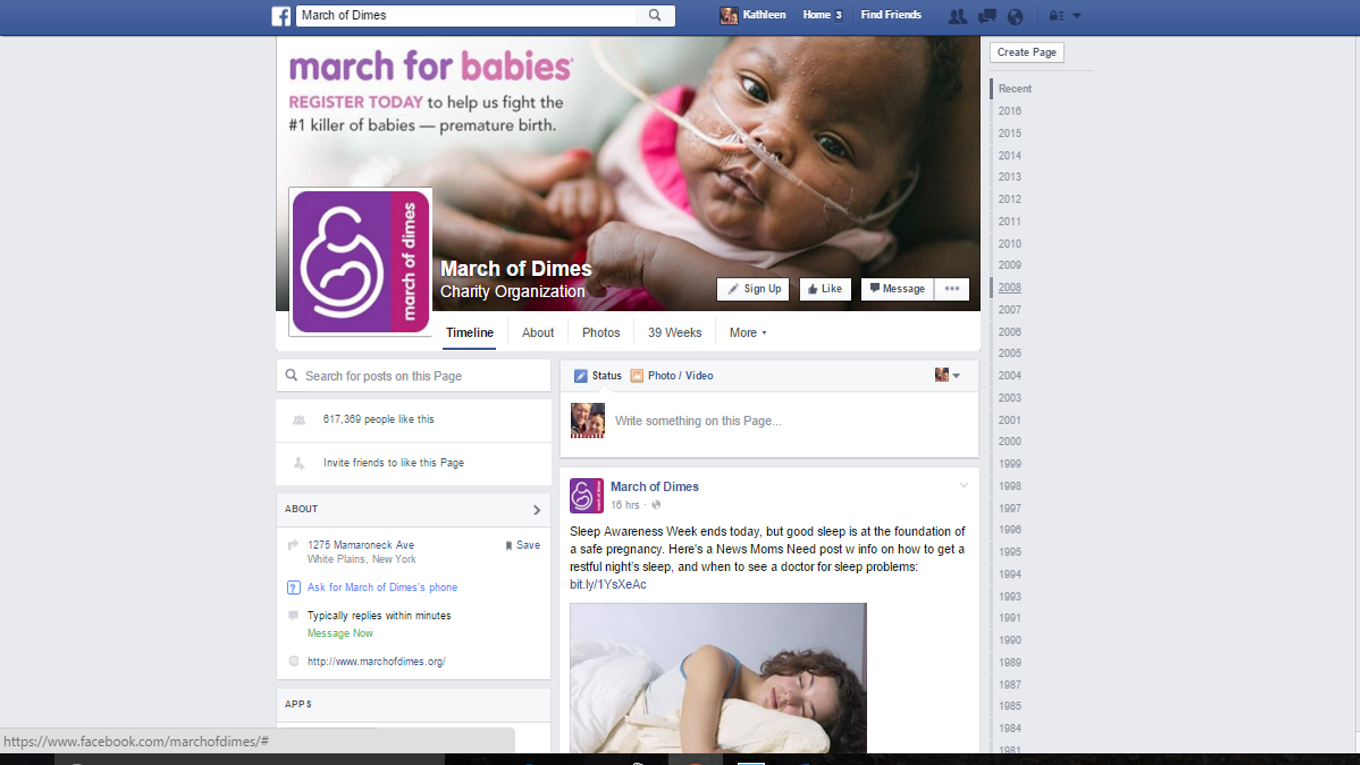
Vaynerchuck says that us that an organization does its storytelling on Facebook (2013, p. 29). March of Dimes does this in the following ways:
– Acknowledging awareness weeks and months such as “sleep awareness week” and “Women’s month” leverages the pop culture and events outside of the organization. While these days aren’t directly tied to their mission of helping women have full-term pregnancies and research issues that threaten the health of babies (March of Dimes, nd), they have ties these awareness days with the women that they are reaching to. By recognizing sleep awareness week and giving advice on better sleep for pregnant women, they’ve created a conversation with their core audience.
– Created a “Share your story” campaign, enabling fans to interact with the brand.
– They must have notice that photos get more traction on Facebook, and they post photos in just about every posting.

By storytelling and introducing short, micro bits of information, March of Dimes is storytelling and creating a conversation with its Facebook audience.

Instagram
Picture2
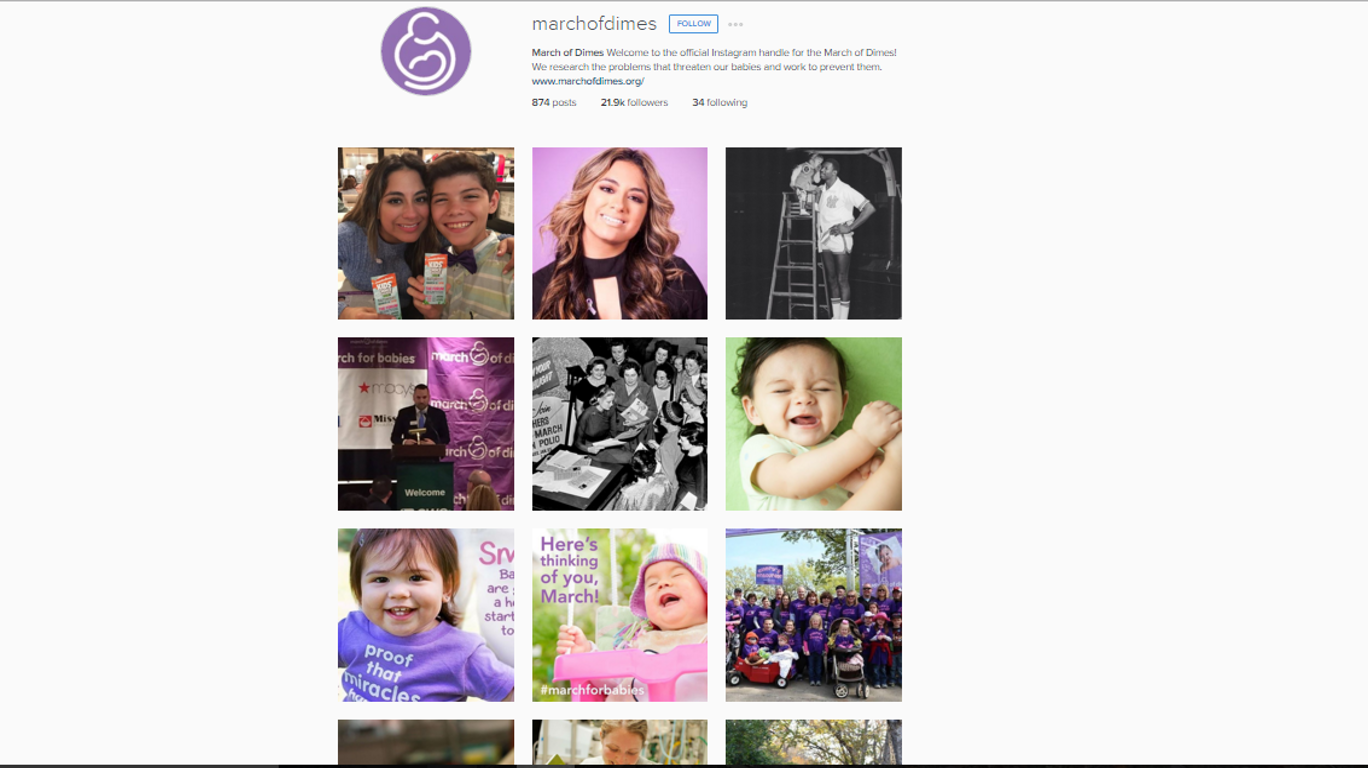
The March of Dimes does repurpose their images from Instagram and push them on to their Facebook page. However, they have recognized Instagram’s artistic platform and have filled their page with striking images. They could include more hashtags, but do a great job of including various hashtags throughout their posts to garner more audience views.

Pinterest
Picture3

Picture4
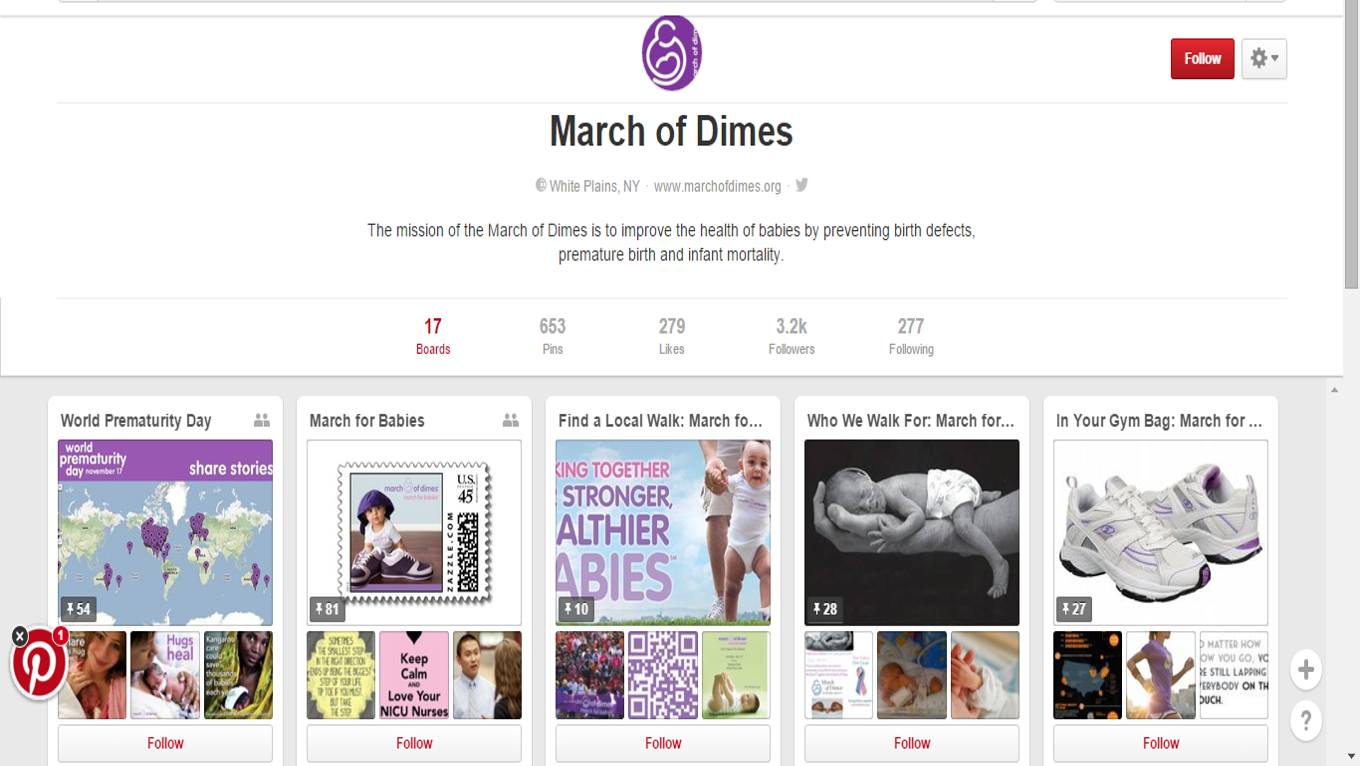
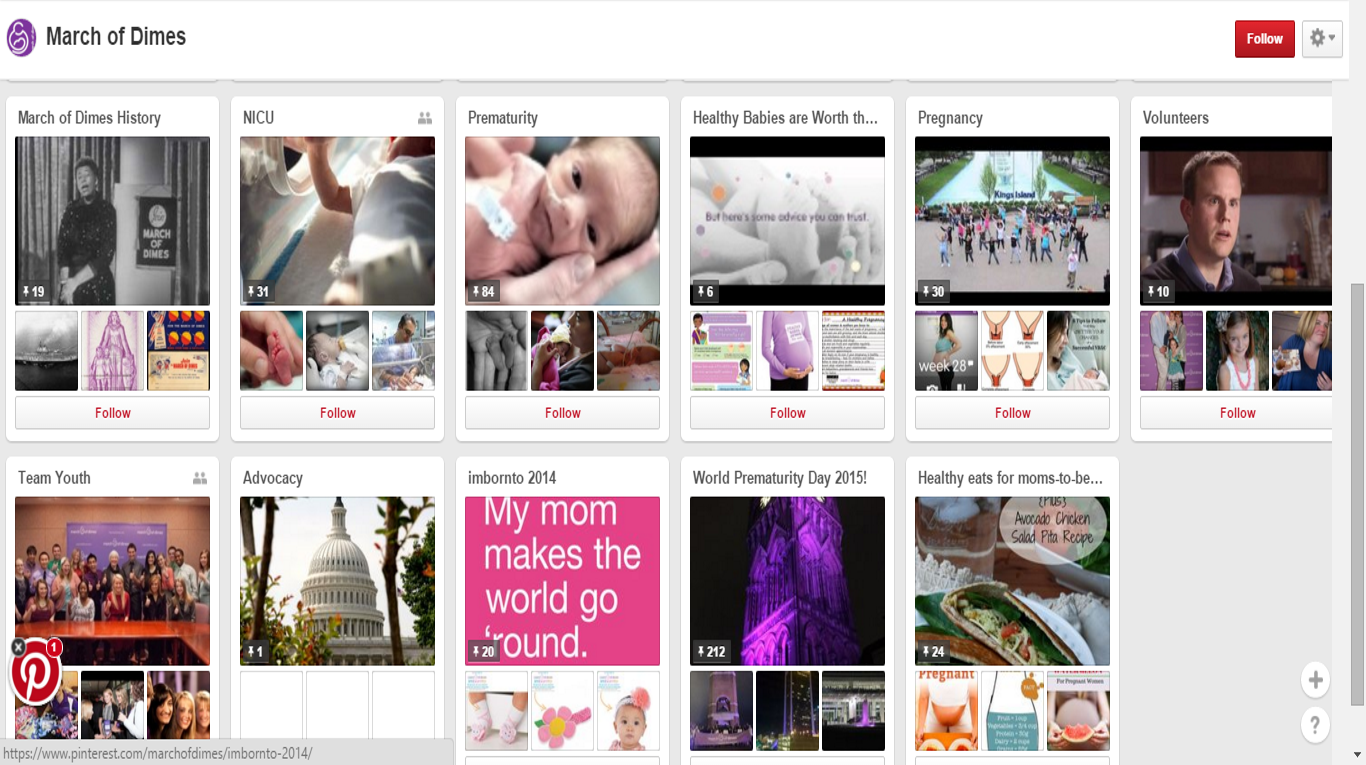
March of Dimes has gone native in Pinterest. Alongside boards that are branded exclusively March of Dimes, they also include boards called “In your Gym Bag”. “Pregnancy”, and “Healthy eats for moms to be”. They understand Pinterest’s platform and have connected their interests with those of their core audience. Women may not be looking for March of Dimes related content, but are connected with the organization when they come across a healthy eating tip that they have pinned.

References:

instagram.com/marchofdimes

facebook.com/marchofdimes

March of Dimes. (nd). Mission. March of Dimes. Retrieved from www.marchofdimes.org

pinterest.com/marchofdimes

Vaynerchuk, G. (2013). Jab, jab, jab, right hook. New York, NY: HarperCollins Publishers

Posted in Uncategorized | Comments Off on How March of Dimes thinks native and “Jabs” its way to healthier babies

Lil Wayne Finds His Calling

The new Galaxy S7 has released multiple comical commercial featuring rap star Lil Wayne.  The new phone has a certified water-resistant rating and can handle more than just spills. In the commercial below, Lil Wayne demonstrates the possibilities of this new device by spilling champagne over it and even dunking it into a fish tank. According to the Samsung website, both of these things are easily possible with the phone without a protective case.

https://www.youtube.com/watch?v=l5aF23XpBwU

Many companies use celebrity endorsements for their commercials, but Lil Wayne is not expected to add so much character and comedy to the commercials. Using his popularity, Samsung has gained many viewers and attention considering multiple news articles discussing how this is something other than music that he was truly born to do.

The phone also has virtual reality capabilities which is demonstrated in multiple other commercials with the rap star. Although Lil Wayne is a pretty random choice for the company, clearly this was a great way to get viewers to watch the commercials and be entertained at the same time.

References

Fuller, G. (2016). Lil Wayne Is Surprisingly Funny In These New Samsung Commercials. Elite Daily. Retrieved March 14, 2016, from http://elitedaily.com/entertainment/lil-wayne-samsung-commercials/1419421/

The new Galaxy S7. (n.d.). Retrieved March 14, 2016, from http://www.samsung.com/us/explore/galaxy-s7-features-and-specs/

Posted in Uncategorized | 1 Comment