Health Regulatory Firm Used as a Pawn by Corporate Giants in Grand Marketing Strategy

Many organizations are involved in creating and selling products that are particularly harmful for human health. These products are usually addictive in nature and are found to be involved in adversely affecting our health. These corporate giants are also required to communicate their message across their target market in order to sell their products.

While the most common medium for advertising is Television; these firms often find efficient and clever ways to market their brands and to wash away the health related concerns attached with their products. Unfortunately, some non-profit regulatory firms are also indirectly involved in assisting these corporate giants.

These actions have fundamental significance for our daily lives as it reveals the grubby faces of our regulatory authorities that are given the responsibilities of the well-being of millions. However, in actual, they are found to be deviating from their core duty and obligations merely to get corporate sponsorships from big businesses like tobacco and soda manufacturers (Tobacco Analysis, 2016).

One of the prominent cases that came to light recently is linked to Massachusetts Health Council, which received heavy corporate sponsorship from Coca-Cola for hosting its annual award gala. The honorable Massachusetts Health Council does not deserve to receive any public health awards as its actions are deviating from its mission to which it is deeply associated i.e. prevention and wellness of the public health.

The Massachusetts Health Council is allegedly accused of facilitating and assisting the soda industry in marketing and promoting products that are recognizable and responsible for contributing to the country’s obesity epidemic (Tobacco Analysis, 2016). It has been exposed that the sponsors’ list of Massachusetts Health Council awards gala involves the name of Coca-Cola, which is among the largest producer of soda beverages across the globe.

We all are aware of the fact that Coke has been severely criticized for adding Aspartame as the low-calorie sweetener in Coke Zero and Diet Coke. The company used this ingredient to highlight its image of being a socially responsible brand, which cares for its people and community. Apparently, by using Aspartame, Coca-Cola emphasizes that the ingredient is used with the intention of offering the similar sweet taste but with low calories (Medical Daily, 2016). However, Aspartame is 200 times sweeter than normal sugar; that is highly hazardous to human health and therefore it increasingly resulting in Diabetes that can cause a hormonal imbalance leading to obesity. For this act, the company has been heavily charged for its fraudulent advertising and unfaithful intentions towards the community (Mercola, 2016).

The regulatory authorities like Massachusetts Health Council are responsible for facilitating such acts because including the name of Coca-Cola in its sponsorship reflects its endorsement of its business operations and activities. The underlying idea behind criticizing Coca-Cola for being Massachusetts Health Council’s sponsors explains how soda manufacturing businesses are using corporate sponsorship as a tool to elope the criticism and to enhance their public image by diverting the attention of the community and other regulatory authorities from the hidden effect of their product.

Not only this, but 96 more health and medical organization are found to be receiving funding from Coca-Cola. This has exposed the filthy intention and grubby faces of giant market rulers like Coca-Cola, as well as state authorities that are vigorously lobbying against the health measures for improving the capacities to fight against the epidemic of obesity (Food Business News, 2016).

The bottom line is that acceptance of corporate sponsorship by health regulatory organizations from firms like Tobacco manufacturers and Coca-Cola allows them to conceal the damage caused by their products behind their social contribution in order to create goodwill among the public, which eventually results in fuzziness and taking the community’s focus away from the damage (Washington Post, 2016). The corporate sponsorship is increasingly being used as a gismo to conceal social damage for the organizations that are allegedly responsible for harming the community health.

**I have no personal ill-will against the companies listed above. This blog post if solely for the purpose of this assignment**

References

Food Business News. Official Website. (2016). Retrieved From http://www.foodbusinessnews.net/articles/news_home/Business_News/2015/05/CocaCola_has_no_plans_to_dump.aspx?ID=%7B301D4144-E0CC-4BAA-A26F-27F54244BE2F%7D&cck=1 on November 5, 2016

Medical Daily. Official Website. (2016). Retrieved From http://www.medicaldaily.com/coca-cola-spreads-lies-about-aspartame-and-dangers-artificial-sweetener-311300 on November 5, 2016

Mercola. Official Website. (2016). Retrieved From http://www.mercola.com/infographics/coke-is-a-joke.htm on November 5, 2016

Tobacco Analysis. (2016) Official Website. Retrieved From https://tobaccoanalysis.blogspot.com/2016/10/why-is-massachusetts-health-council.html on November 5, 2016

Washington Post. Official Website. (2016). Retrieved From https://www.washingtonpost.com/news/wonk/wp/2015/04/27/why-pepsis-decision-to-ditch-aspartame-isnt-good-for-soda-or-science/ on November 5, 2016
Posted in Uncategorized | Comments Off on Health Regulatory Firm Used as a Pawn by Corporate Giants in Grand Marketing Strategy

Sports Haters: The Next Level of Twitter Engagement

Once upon a time, we sat down to watch our favorite team (as long as it was in the same region where we lived) on  TV. Forget watching Barcelona Soccer playing Manchester, forget watching your daughter’s Division III volleyball team playing in another state.

Now there are a plethora of sporting events streaming live via Twitter (NFL, Soccer, youth sports and more)

http://www.si.com/tech-media/2016/11/03/nfl-twitter-live-streaming-deal

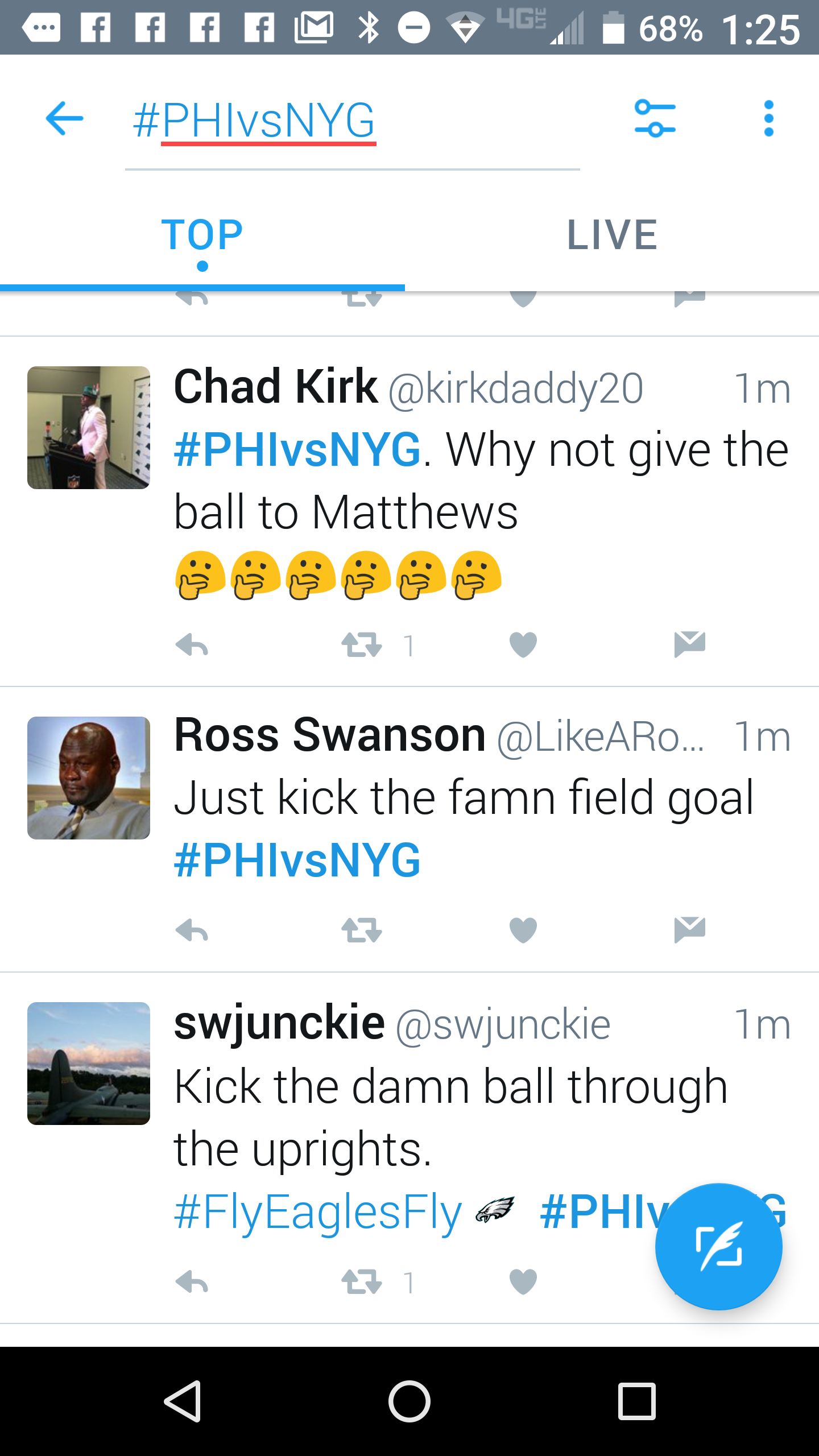
On top of that, you can now multi-task by watching your game and Twitter “smack talk” with millions of people on earth who might think your goalie #bites or your kicker is #garbage.  If your favorite team is playing right now, simply hashtag your way into a new fan experience

#PHIvsNYG happens to be on right now, so let’s go take a gander….

twitter-football-talk

Wow! there sure are some armchair quarterback’s out there. I guess they should have kicked the field goal! Twitterland can be a unique place to be a fan, but be warned, their team>than yours.

In a nutshell, as discussed in the New York Times in 2011 , it appears Twitter has become it’s own social media hub that they had hoped.

http://nymag.com/news/media/twitter-2011-10/

Twitter is a great mechanism for more engagement, so why not embrace it!

References

Hagen, J. (2011). Tweet science. New York Magazine. (Oct 2). Retrieved from http://nymag.com/news/media/twitter-2011-10/

Posted in Uncategorized | Tagged , , , , , , , | 1 Comment

Using data to make decisions

For this week’s blog post, I decided to do a bit of research on Gary Vaynerchuk since we are reading his book, Jab, Jab, Jab, Right Hook, throughout this module. I found a recent news article from AdWeek that discusses how Vaynerchuk uses data analytics to help with hiring and promoting decisions. The reason I was interested in this article was because he uses the same methodical approach to people management as he does marketing. In his book he mentioned the importance of doing constant analytics, learning from the numbers and creating insights to improve marketing campaigns. He takes this same approach to his Human Resources practice and people management. His leadership team uses analytics about their employees to learn about their workforce, make insights about who should get promoted, and then use that data to execute on promotion decisions. I also found it interesting that the employee data helps to jump people through the organization without regard to a “traditional” approach to promotion. For example, based on reviews and employee data, if an employee is doing exceptionally well, they can jump the ranks.

Side note: For those of you taking CMGT505, I thought this would resonate especially well with all of you, as it fuses interpersonal communication with the marketing communication of this course. I always love when the content and insights blur between my courses!

Reference:
Coffee, P. (28 Oct. 2016). “Gary Vaynerchuck told us how he decides which employees to promote and let go.” AdWeek. Retrieved 3 Nov. 2016 from, http://www.adweek.com/agencyspy/gary-vaynerchuk-told-us-how-he-decides-which-employees-to-promote-and-let-go/119804.

Posted in Uncategorized | 1 Comment

Taking Out The Trash: Hefty’s New Election Season Ad

No matter where on the political spectrum you find yourself, election season is divisive, nerve-wracking, and exhausting.  It’s hard to tune out all of the sensationalistic rhetoric, and at the same time there is so much noise that it’s also tasking to listen to any one piece of it.  Ultimately, we’d all rather throw the entire state of affairs in the trash and get on with our lives.  That’s exactly what Hefty managed to do with their new ad, featured below:

https://www.youtube.com/watch?v=rGxPZIq4pfs


It’s short, simplistic, and most of all quiet.  It gives us a break from the bothersome attack ads that have been running in full force, and best of all (for Hefty), it makes audiences stop and think about the brand.  Hefty has a high degree of brand recognition, but it’s no simple task to make it stand out to consumers.  Plastic trash bags might be the most prosaic consumer goods imaginable — they are made to be thrown away, after all.  This ad, however, used timely insights to make Hefty prominent and desirable in the minds of consumers at a relatively low cost.

Posted in Uncategorized | 4 Comments

Dog-Eat-Dog Marketplace!

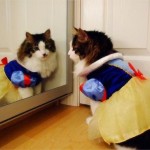
The days of choosing between only two brands of dog food for your dog is long gone! At one time, Pedigree, Milkbone, and a few smaller competitor brands were the only choices to give man’s best friend. For feline enthusiasts, Fancy Feast is no longer the fanciest brand on the market! Yes, the pet industry in the United States has grown insurmountably, becoming one of the most successful markets in the world in the pet sector. (Kwok & Jourdan, 2015). According to American Pet Products Association’s annual report in 2014, Americans spent $58 billion dollars on their furry friends (Pawsible Marketing, 2015). In last 15 years it seems that both the dog and cat food aisle is not only filled with more options, but it’s also filled with dozens of impulse buys that were previously reserved for humans. Do you remember ten years ago there being a dog-friendly ice cream or costumes for your cat to make her look like your favorite Disney Princess – the options these days seem to be endless .

Commercial Focus

The focus and marketing tactics for dog commercials from 20 years ago are almost the same as as the commercials you would see today – focusing primarily on teeth, the animal’s coat and overall happiness. Ask yourself, besides the quality of the commercials (and the clothes) would you be able to tell what product was over 30 years old, I am not so sure I could!

https://www.youtube.com/watch?v=maegMAnRxYY

Alternatively, taking a look at numerous cat commercials, most do not focus on the feline’s coat or teeth, instead concentrate on making an emotional connection. While the two commercials below are from two different companies and decades, both are hoping to evoke some kind of emotion from the consumer, otherwise known as emotional marketing.

https://www.youtube.com/watch?v=Ud53jv-B2nA

To Infinity and Beyond

But the United States is not alone, China for instance, once a country who saw their Communist leader Chairman Mao Zedong ban its own citizens from owning animals now reports the exact opposite (Kwok & Jourdan, 2015). Today, if you own a pet in China it symbolizes financial prosperity. By 2019 the country is expected to exceed the United States in the spending of their animals – an estimated $2.6 billion dollars (Kwok & Jourdan, 2015). “Dogs are by far the most popular pets and dog food sales alone are expected to almost treble to over $760 million by 2019, Euromonitor data shows, as higher disposable incomes make keeping a pet an affordable luxury for more Chinese, particularly in more developed cities” according to Kwok & Jordan (2015).

If analysts are right, the pet industry will continue to grow at about 4 percent every year in the United States (Brough, 2014) and likely won’t be affected if another financial meltdown. According to the American Pet Products Association (APPA), the animal industry remained almost untouched in the years 2008 – 2013, only increasing $12.33 billion in five years but holding steady despite the depression the country was facing. (Brough, 2014).

The Real Deal

So now that we know the pet industry is a cash cow, what companies are the top ranking pet companies? According to the website Pet Food Industry (2016), the top companies for pets are Mars Petcare Inc., bringing in an estimated $17,224,400,000 annually. Mars Petcare Inc., not ringing a bell? Don’t worry it didn’t for me either until I did a Google search and discovered that the Mars brand produces PEDIGREE®, IAMS®, WHISKAS®, BANFIELD®, CESAR®, and GREENIES®  – to name a few (Mars Petcare Inc., 2016). Following Mars, Nestlé Purina PetCare and Big Heart Pet Brands individually brought in an annual $11,917,000,000 and $2,280,300,000, respectively.


References
In doing all this research on the pet care industry, it makes sense that the next million dollar idea would logically stem from a product targeted for pet-loving consumers. In saying that, who wants to be a millionaire with me and help create an awesome product that we can take to Shark Tank?

Brough, C. (2014). Pet businesses will prosper: Industry trends for 2014 and beyond. Multibriefs.

Retrieved from www.multibriefs.com/briefs/exclusive/pet_businesses_will_prosper.html#.WBpRoS0rKCh

Cat’s Pride (2016, March 14). Cat’s Pride® Fresh & Light Ultimate Care® :30 Commercial

“Best Litter” Starring Katherine Heigl. YouTube. Cat’s Pride. Retrieved from

www.youtube.com/watch?v=Ud53jv-B2nA

Greenies. (2013, July 13). Kids Never Get this Excited, Part 2: GREENIES® Commercial.

YouTube. Greenies. Retrieved fromwww.youtube.com/watch?v=maegMAnRxYY

International Mars. (2016). Mars Petcare. Mars Incorporated. Retrieved from

http://international.mars.com/global/brands/petcare.aspx

Kwok, D. & Jourdan, A. (2015, June 3). Top dog: China’s newfound passion for pets is big

business. Reuters. Retrieved from www.reuters.com/article/us-china-pets-idUSKBN0OJ2TT20150603

Panbiscuit. (2006, October 1). Milkbone dog biscuits. YouTube. Retrieved from www.youtube.com/watch?v=GXnzdKKAKw4

Pawsible Marketing. (2015). The Top Pet Industry Trends for 2015. Pawsible Marketing.

Retrieved from www.marketingmypetbusiness.com/2015/03/the-top-pet-industry-trends-for-2015.html

Noonan, K. (2014, August 19). 9 Lives. Morris. Cat Food commercial 1990. YouTube. Retreived www.youtube.com/watch?v=KpvUV_DqYnU

Posted in Uncategorized | 3 Comments

Click, click: #instabuy

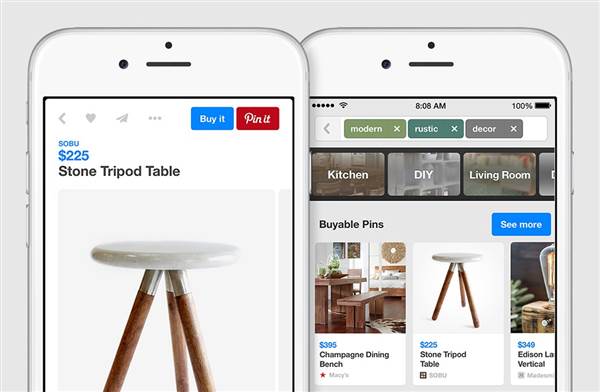
pin-buy

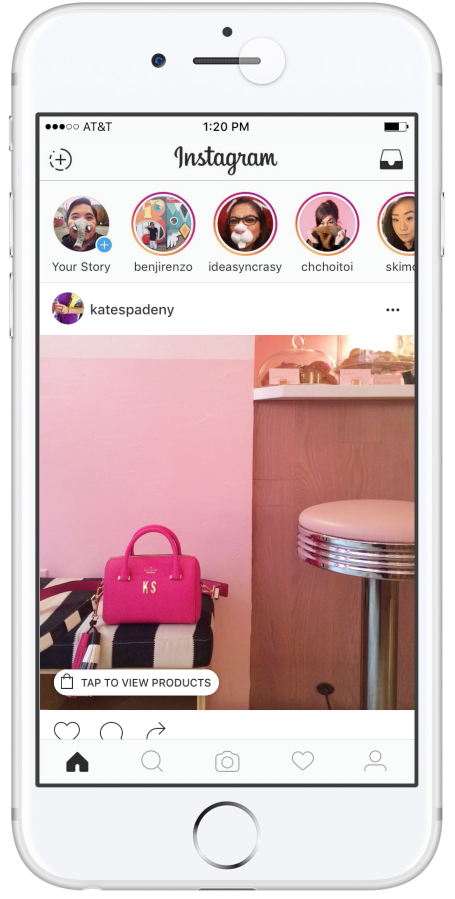
You might have seen the “buy buttons” on social media platforms like Pinterest’s “buyable pins”; they have been around for a while but they haven’t really been adopted by consumers (Halzack, 2016). Reluctance from buying from a place other than an established retailer is one reason, another may be price point (Halzack, 2016). Instagram is trying hard to change that. Next week they are launching tags that let people click on photos to get more information regarding a specific product (Alba, 2016). With another click, users will have the option to buy the item from the retailer’s website (Alba, 2016). In this effort, Instagram is partnering up with 20 well-known U.S. brands including Macy’s, J. Crew and Target (Olivarez-Giles, 2016).

According to Instagram (owned by Facebook), they are not getting a share of the profit from this revenue stream (Olivarez-Giles, 2016). Even if that is true, at least for now, perhaps users have reasons to be skeptical. Instagram went from being an ad free photo sharing app to inundating us with personalized ads based on our online browsing patterns. For me, the new interface with ads and banners took the fun (and innocence) out of Instagram and significantly decreased my footprint on the site. I am curious to see if the many devoted IG users will find the new “shop now’ options appealing and practical or manipulative in their attempts to inform or persuade depending on your perspective.

ig-katespade-1

References:

Alba, D. (November 1, 2016). Get ready to buy stuff straight through Instagram. Wired. Retrieved from www.wired.com

Halzack, S. (January 14, 2016). Why the social media ‘buy button’ is still there, even though most never use it. The Washington Post. Retrieved from www.thewashingtonpost.com

Olivarez-Giles, N. (November 1, 2016). Instagram adds ‘Shop Now’ button for in-app impulse buying. Wall Street Journal. Retrieved from www.WSJ.com

Photos retrieved from:

http://www.nbcnews.com/tech/social-media/prepare-your-purses-pinterest-introduces-buyable-pins-n368566

https://techcrunch.com/2016/11/01/instagram-shoppable-photos/

Posted in Uncategorized | Tagged , , | 6 Comments

Can technology outsmart bad drivers?

screen-shot-2016-10-30-at-9-09-38-pm

Although I’m a huge advocate of using technology to make our lives simpler, I have to admit the thought of riding in the back seat of a driverless car sends chills down my spine. Unless the car is on a track at Disneyland, I’m not interested. There’s just so many bad drivers out there, not to mention people who dart into traffic, broken signal lights, dogs and bikes zipping between cars — the list of split-second decisions that need to be made while driving seems endless.

So when I saw the Business Insider article about aggressive drivers that bully self-driving cars, I was intrigued. The benefit of riding in a self-driving car is you don’t need to worry about breaking any driving laws; the cars are engineered to follow the rules of the road and protect the passengers. According to research results from a study done on drivers’ attitudes about self-driving cars, there are those who intend to bully the automated cars by aggressively driving around them, forcing the self-driving car to let them pass. In situations where the self-driving car has the right-of-way, bully drivers say they will go first anyway, knowing that the automated car will comply.

Experts worry — rightly so — that this will lead to more bad behavior by already aggressive drivers. There’s so much road rage out there already, at least from what I’ve experienced on L.A.’s crazy roads, I’m not sure we’re ready for another excuse to drive like bullies.

Reference

Price, R. (2016, October 17). Aggressive drivers bully self-driving cars. Business Insider. Retrieved from http://nordic.businessinsider.com/aggressive-drivers-bully-self-driving-cars-autonomous-vehicles-study-lse-goodyear-2016-10/

Posted in Uncategorized | 6 Comments

How Times Have Changed With the New Face for CoverGirl

I recently stumbled upon an article on Facebook about CoverGirl announcing its first ever male face for their cosmetics products. With that said, modeling contracts have long been for celebrities and top supermodels, however CoverGirl announced its first non-celebrity cover on the magazine and it’s a boy. His name is James Charles, from Bethlehem, PA, a seventeen year old high school senior who has joined the ranks of Katy Perry, Pink and Christie Brinkley to name a few. James Charles grew to fame on Instagram with over 400K followers for his quirkiness and creative approach using makeup. Additionally, he grew to stardom (15-minutes of fame turned to being the face of one of the top cosmetics brands in the world) when he retook his senior portrait twice to make sure his makeup highlighter will “pop.” In the like manner, he took his story to social media to make that claim and from there all is history.

What is truly fascinating about James’ story is that it puts a perspective on how much 21st century has evolved and where it has taken society today. With that said, James is the first ever CoverGirl/Boy male to be featured as the face of the brand in 58 years. His face will be featured on various digital and social media platforms, as well as print. This is huge and a game changer in the beauty industry due to the fact this historical moment, especially given in a time full of hate, bullying and gender inequalities. Furthermore, the traditional boundaries of gender in beauty and fashion has expanded and major growth to both females and males becoming social media famous.

CoverGirl is an established and reputable brand that acknowledges beauty in every format and is not gender exclusive. Moreover, it gives hope to young people to live their dreams, have self-expression and not have society dictate what is considered the norm. As a matter of fact, the reality is that the power of social media is our digital identity and part of how we are and how people view us. Therefore, by leveraging the use of social media it opens endless opportunities or it may provoke negative responses. Furthermore, the use of social media such as Facebook, Instagram and Twitter is so powerful that it creates a buzz and a voice for people to express themselves. With that said, CoverGirl has broken the boundaries of what beauty and fashion is all about with the use of social media being a powerful tool in itself.

jamescharles

Source:

Chan, M.-A. (2016, October 11). CoverGirl just announced its first male face — & he couldn’t be more deserving. Retrieved from Refinery 29 website: http://www.refinery29.com/2016/10/126003/covergirl-first-male-model-james-charles#slide


Posted in Uncategorized | 12 Comments

Marketing “brand value” with integrated communication strategies: It is more than just a product.

It has already become a norm for companies to combine different marketing communication strategies to help reinforce each other. This tactic of having a wide-ranging plan recognizes the importance of the different communication disciplines such as public relations, sales promotion, advertising, and personal selling, among others. By integrating all these aspects in the marketing plan, companies optimize the use of communication tools in increasing consistency, clarity, and communication impact to the audience.

Coca-Cola, for instance, has long been in competition with Pepsi. However, it still has maintained its marketing appeal all over the world due to the values the company promotes. In most of its marketing campaigns, Coca-Cola tries to be closer to consumers to the point of making them, the consumers, part of the marketing campaign. Additionally, Coke also fully promotes its corporate social responsibility activities, thus, further attracting more consumers (Lake, 2016). When it comes to a marketing campaign, Coca-Cola has contributed much to popular culture, yet, in all their campaigns, the message remains unchanged, that is, sharing, happiness, clean fun, and entertainment. Through the years, the theme has remained the same only increasing the target audience to include the whole global market (Zoeller, 2016).

What are the tools for integrated marketing communications?

Advertising. The advertisement may be in the form of print or television marketing, which helps in establishing the company’s brand worldwide and maintain brand awareness.

screen-shot-2016-10-23-at-11-25-55-pmSource: es.pinterest.com

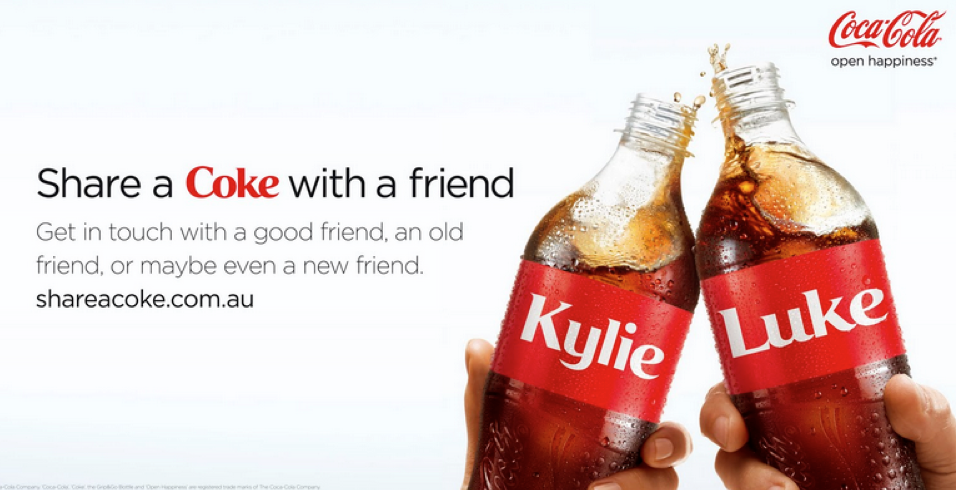
Coke also used the “share a Coke” theme for some time that was consistent with its values of sharing and having fun.

screen-shot-2016-10-23-at-11-26-25-pmSource: shareacoke.com.au

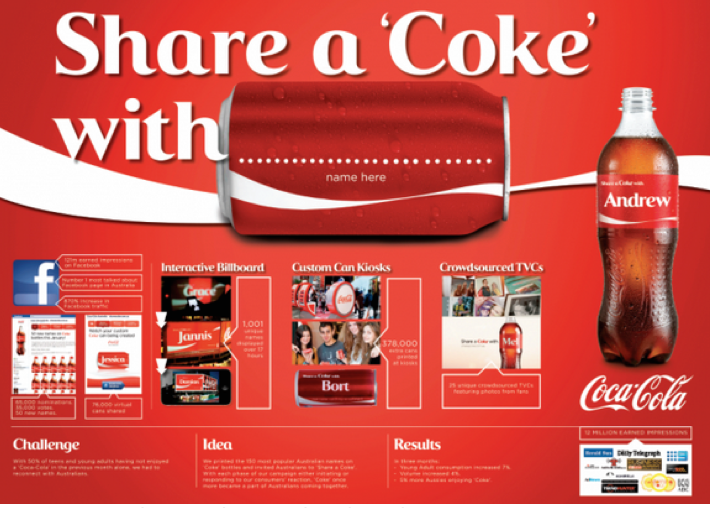
Social Media and Interactive Marketing. To give their target audience something to look forward to, Coca-Cola launched some of their marketing strategies with the involvement of social media sites such as Facebook and Twitter. The 2015 campaign gave consumers the opportunity to have their names, or someone else’s name, printed on Coca Cola bottles, which they can share with their families and friends. Consumers were also encouraged to share their anecdotes on Twitter using the hashtag #ShareaCoke, and in turn, Coke featured their stories on the company’s website (Tarver, 2015).

screen-shot-2016-10-23-at-11-27-02-pmSource: www.sunpack.com

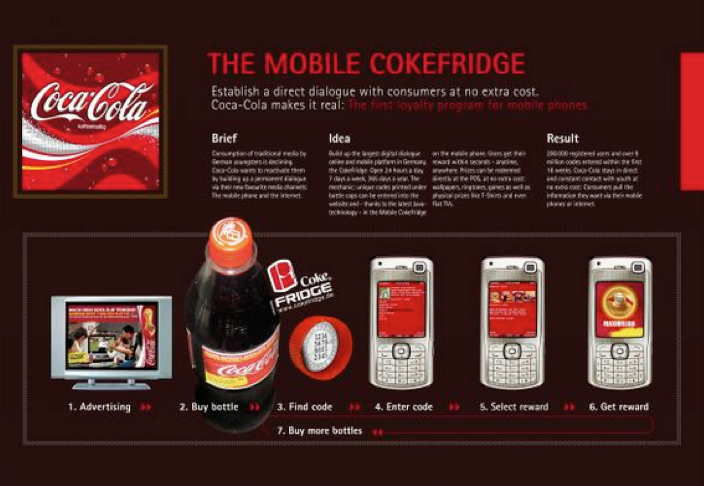
Direct Marketing. These are partnerships with hotels, restaurants, or other similar types of establishments. This also includes campaigns such as direct emails, texting/SMS, and sponsorships.

screen-shot-2016-10-23-at-11-27-15-pmSource: Promotion: Integrated Marketing Communication

Corporate Social Responsibility. Coke also engages heavily in corporate social awareness activities that ensure helping thousands of people all over the world. It always tries to encourage everyone to give back to others.

screen-shot-2016-10-23-at-11-27-25-pmSource: http://www.ndtv.com/supportmyschool

The key thing that the Coca-Cola campaign has is the unique and collective appeal in the perception of its targeted audience. Coke was able to capture the mood and interest of the people, thus, the company worked on this knowledge to its advantage. It used multiple platforms to reach various sectors and demographics in a society that is why it has a universal appeal.

When combining various marketing communication strategies, different types of mass media can be used, including print media and television advertising. Now, with the emergence and huge popularity of social media sites, these can also be used to reach all kinds of audiences all over the world. This is because studies have shown that much of the consumers now do not only engage in personal shopping but use online shopping means to purchase their needs (Olenski, 2013). The key when using these media types is to ensure that coherent, consistent, and complementary, messages are sent to the audience. Another important point is that audiences prefer a continuity and connectedness of the messages through time (Heaton, 2014). When these 4Cs are present in the marketing communications strategy, then it helps in building credible and convincing messages to the target audience.

References

Heaton, A. (2016). Incorporating the 4Cs of integrating digital marketing into marketing campaigns. Retrieved from http://www.smartinsights.com/traffic-building-strategy/integrated-marketing-communications/three-examples-integrated-campaigns/

Integrated marketing communications. Retrieved from http://multimediamarketing.com/mkc/marketingcommunications/

Lake, L. (2016). Beginner’s guide to integrated marketing communication. Retrieved from https://www.thebalance.com/integrated-marketing-communication-imc-2295501

Olenski, S. (2013). Why integrated marketing communications is more important than ever. Retrieved from http://www.forbes.com/sites/steveolenski/2013/09/16/why-integrated-marketing-communications-is-more-important-than-ever/#32c0c7572325

Tarver, E. (2015). What makes the ‘share a Coke’ campaign so successful?. Retrieved from http://www.investopedia.com/articles/markets/100715/what-makes-share-coke-campaign-so-successful.asp

Zoeller, S. (2016). Why use an integrated marketing communications approach. Retrieved from http://www.stephenzoeller.com/why-use-integrated-marketing-communications-approach/

Posted in Uncategorized | Tagged , , , , , , , | 4 Comments

Lane Bryant is Shaking Up the Fashion Industry in a BIG Way and Here’s How

If you’re a regular consumer of social and digital media, you may have noticed that body type diversity in fashion has been gaining traction. We are in an unprecedented era of change, and embracing this body-positive outlook has definitely been a long time coming. It’s empowering to see women of all shapes, sizes, and colors representing and celebrating body types that look like mine and millions of other women in America. And one of my favorite retailers, Lane Bryant, is helping to pave the way to make plus size fashion a new norm.

“This Body is Made to Shine” is a second installment of the 2016 “This Body” campaign, and it’s being received exceptionally well on a variety of platforms. The campaign features models like Ashley Graham, Alessandra Garcia, and Candice Huffine, as well as OITNB actress Danielle Brooks and Empire star Gabourney Sidibe. Lane Bryant is pushing to overcome misconceptions by taking on the negative stigma of being fat and disrupting the tired and dated idea that women must strive for the “perfect” body. Take a look at the campaign commercial:

Unapologetic. Witty. Strong. These girls are quickly becoming my favorite humans in entertainment and fashion. Just sayin’. Welcome to the bakery!

Lane Bryant’s fall campaign is visible in stores and online, through digital and social media, as well as on billboards and in magazines. The plus size retailer has also partnered with Glamour magazine and Refinery 29, both women’s fashion publications, to spotlight and celebrate women’s diverse and unique bodies in a bold and unapologetic manner.

Of course, progress wouldn’t be progress if not for criticism, right? Through all the positive messages and empowerment, there will always be those who seem to think they can dictate what women should and shouldn’t wear, do, say, feel, or behave. On the other hand, there are also those who believe that Lane Bryant is selling empowerment as a commodity, or that they’re selling body-positive language in order to boost sales. Some even feel like the plus size fashion industry is “skinny-shaming” by shining a negative light on being thin in an attempt to boost the confidence of big girls. Take for example Lane Bryant’s “I’m No Angel” campaign – a jab at notoriously thin Victoria Secret lingerie models (also known as Angels). Whatever the case, there will always be dissent.

If you ask me, I absolutely love this campaign. It’s smart, insightful, and is targeting an audience largely ignored by the fashion industry until recently. I can’t help but wonder what took them so long to figure it out. Do you think this is just another way to sell empowerment to women as a commodity? Or do you believe its important for big corporations to use their positions to help shape societal norms? Comment your thoughts below.

#PlusIsEqual

References:

Moin, D. (3 Sept. 2016). Ashley Graham, Danielle Brooks and Gabourey Sidibe step up for Lane Bryant’s fall campaign. Los Angeles Times. Retrieved from: http://www.latimes.com/fashion/la-ig-fashion-models-lane-bryant-20160923-snap-story.html

Ilyashov, A. (22 Sept. 2016).The New Faces Of Lane Bryant Are Exactly What We Needed — & We Think You’ll Agree. Refinery 29. Retrieved from: http://www.refinery29.com/2016/09/124036/lane-bryant-danielle-brooks-this-body-campaign-photos#slide

Williams, M.E. (15 Sept. 2015).Lane Bryant’s #PlusIsEqual campaign: Selling you empowerment, one outfit at a time. Salon. Retrieved from: http://www.salon.com/2015/09/15/lane_bryants_plusisequal_campaign_selling_you_empowerment_one_outfit_at_a_time/

Posted in Uncategorized | Tagged , , , , , | 7 Comments