
Catch Us If You Can: Brands Shift Their Marketing Tactics for Gen Z

102244-thumb

Just when marketers thought they had a grasp on how Millennials talk, shop, and what their social habits are (Instagram/Snpachat/Periscope), Generation Z has officially arrived (defined as born during the mid to late 1990s-present) and they are making the job of marketers harder than ever. Marketers and brands alike are trying out non-traditional tactics to speak Gen Z’s language in a fun, unique way – through apps, pop-up shops, and immersive store experiences.

Brand such as Taco Bell, Target and DreamWorks Animations’s AwesomenessTV are already ahead of the game and conducting market research to understand this new generation of consumers. In their findings, they have discovered key factors that motivate this generation, their interest in implementing new technologies into how they connect with both friends and the brands they like, and lastly, their differentiating values from previous generations.

Gen Z is considered to be practical and value conscious. They are also fond of new technology, such as the new live video streaming app called Periscope, which Taco Bell used to reach this demographic to announce its new product, the Biscuit Taco. Gen Z has more information available to them than any previous generation before them, they use that information to make smart purchases, and they are brand loyal once they’ve connected with a brand that they relate to.

Lastly, in my own experience in the advertising world, a lot of the new technologies that this generation embraces are drastically different than the ones that I use in my own personal life. I use Facebook and Instagram, but do not use or understand the importance of Snapchat — especially from a brand’s perspective of storytelling. Also, a new form of entertainment that is currently gaining a lot of traction, especially as a way to create a unique user experience, and could be a great example as a component piece in an integrated marketing plan, is VR (virtual reality) 360 video. For example, our Samsung team at 72andSunny did a innovative and unique VR brand extension piece that lets the user truly feel like they are a character in the new Avengers film, Age of Ultron.

Screen Shot 2015-05-25 at 6.06.03 PM

References:

http://adage.com/article/behind-the-work/marvel-samsung-s-vr-experience-throws-a-mighty-avengers-battle/298330/

Rodriguez, A. (2015, May 15). Stung by Millennial Misses, Brands Retool for Gen Z. Retrieved May 26, 2015, from http://adage.com/article/cmo-strategy/informed-millennial-misses-brands-retool-gen-z/298641/
Posted in Uncategorized | 5 Comments

New Marketing Strategy for an Underdog Industry

https://www.youtube.com/watch?v=HkZYbOH0ujw

In many ways, the movie “It Follows” should have failed: It was an indie horror film made by an unknown director, released with a weak advertising budget to only 4 theaters its 1st week by Bob and Harvey Weinstein’s boutique film label Radius-TWC, and scheduled to be released to VOD (Video on Demand) beginning week 2 – often a tell-tale sign that the movie is not expected to do well in theaters (League, 2015). Although Radius-TWC set the initial sales threshold at only $2 million, the movie brought in more than $55 thousand per theater its first week and more than $14 million through May 21, 2015 (Box Office Mojo, 2015; League, 2015). These numbers may not seem like much when compared to, say, a blockbuster hit, but they are a mark of success for the Indie film industry – an industry that all too often takes a backseat to their mainstream counterparts.

The film’s success, of course, was not earned purely by accident. After posting impressive week 1 figures, Radius-TWC made the rare strategic decision to widen the film’s theatrical release and postpone the VOD release, much to the chagrin of VOD providers (League, 2015). Radius-TWC effectively challenged long-held notions that indie films are not commercially viable, and it offered indie distributors new strategies for marketing based on actual performance rather than just projected performance.

Distributors have no choice but to build marketing strategies around projected data if the film has not yet been released because no performance data yet exists. But even the best marketing strategy loses effect if it no longer aligns to the data it was created for. So why not be flexible enough to re-strategize later based on actual performance, especially if doing so is likely to yield more favorable results?

“It Follows” certainly earned its reputation on its own, but its success in theaters was the result of a dynamic, adaptable strategy. Indie distributors would be wise to take a page from Radius-TWC’s book.

Box Office Mojo. (2015). It Follows [data set]. Retrieved from: http://www.boxofficemojo.com/movies/?page=weekly&id=itfollows.htm

League, T. (2015, April 1). Tim League: It Follows is not a flop. Birth. Death. Movies. Retrieved from: http://birthmoviesdeath.com/2015/04/01/tim-league-it-follows-is-not-a-flop

Posted in Uncategorized | 5 Comments

Communicating to cancer: The delicacy of marketing to potential patients.

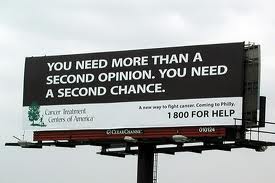
Advertising cancer treatment options is a necessary action as each year globally, about 14 million people learn they have cancer, and 8 million people die from the disease, according to research done by the Center for Disease Control and Prevention. With such a rapidly increasing target audience, it is obvious cancer care is big business and there are significant opportunities for unethical marketing practices by various segments of the industry.

“Cancer is a bad word,” said Randall Holcombe, Director of Clinical Cancer Affairs for Mount Sinai Health System. “It’s the disease that people fear most.” These comments were shared during an article by Lisa Marie Potter, Inside Science.

The duration of Potter’s article further advocated for strict marketing guidelines to be enforced for cancer care entities to follow in the best interest of the vulnerable parties involved, as she discussed the issue with Holcombe and also introduced the opinions of Trevor Hedberg, a PhD candidate at the University of Tennessee at Knoxville who co-authored an article in 2013 about the ethics of marketing to vulnerable populations and was not involved in the report.

“It’s not inherently wrong to market to vulnerable populations,” said Hedberg. “Though vulnerable populations may be at risk of being harmed by immoral marketing campaigns, “you just have to hold yourself to a higher standard than you would to other clients,” says Hedberg.

Because the target population is especially vulnerable, it is essential that strict ethical guidelines are adopted and that appropriate oversight be put in place to ensure compliance (Holcombe, 2015).The primary stakeholders for marketing cancer care are pharmaceutical companies and large medical centers striving for increased market share. The target populations for marketing of cancer include practitioners as well as consumers. The latter group is especially vulnerable because of fears and anxiety related to their diagnosis (Holcombe, 2015).

Recommendations for cancer marketing include: ensuring fair and balanced promotion of cancer services, avoiding exaggeration of claims in the context of reputational marketing, providing data and statistics to back up direct and implied assertions whenever possible and defining eligible patient groups in the context of marketing for research.


Although, these recommendations are ideal for the audiences, how will cancer care entities meet these expectations and remain competitive? In an article by Neil Versel, MedCity News, these options are conversed. Here is an excerpt:

 Pharma companies are the “slowest of the slow” when it comes to changing their marketing strategy because they are so heavily regulated, Hashi said. But some are catching on quickly to the trend of online video; Hashi noted that Novartis and AstraZeneca in particular have reached out on social media more in the last 18 months. (This month, a longtime expert in pharma social media, Craig DeLarge, joined Takeda Pharmaceutical as the head of digital acceleration for emerging markets, with a focus on China, South Korea, Russia and Brazil.)

New apps such as Periscope and Meerkat that let people stream live video through their Twitter accounts, could change the market again. For example, Hashi said that a healthcare advertiser could share interesting content from a conference around the world in real time. “We haven’t seen a healthcare advertiser use this yet,” he said. But it’s probably coming.


As the bustling cancer care industry continues to grow, the means in which to advertise these developments will also, however it is unclear if the ability to regulate them will be able to keep up.

Cancer2

What are your thoughts?

References

Holcombe, R. F. (2015). The ethics of marketing cancer. Journal of Cancer Policy, 3, 1-2. doi:10.1016/j.jcpo.2014.11.001

Statement of Ethics. (n.d.). Retrieved from https://archive.ama.org/Archive/AboutAMA/Pages/Statement%20of%20Ethics.aspx

Versal, N. (2015, May 18). From cancer to feet: The power of Twitter in healthcare – MedCity News. Retrieved from http://medcitynews.com/2015/05/healthcare-from-a-twitter-point-of-view/

Posted in Uncategorized | 4 Comments

Google to Bring ‘Ted’ to Life! Well, Almost.

Ted the talking teddy bear won the hearts of many in his 2012 release due to his foul mouth, Bostonian humor, believe that or not. Just when Ted fans thought they struck gold with ‘Ted 2’ set to release late June 2015, Google has taken it upon themselves to bring ‘Ted’ to life! Well, almost.

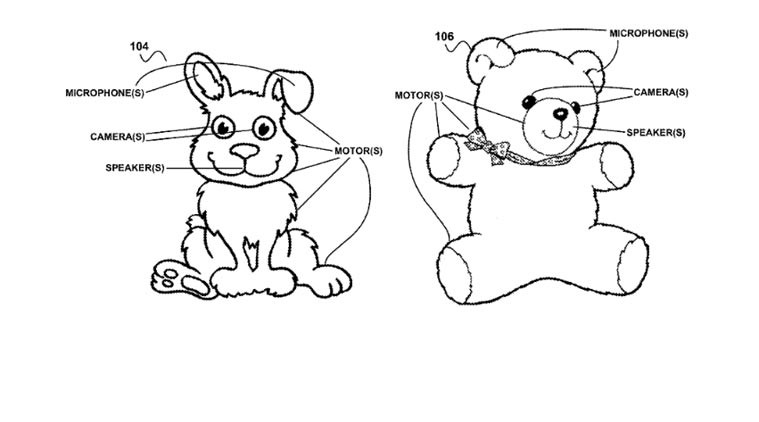
Google recently released their patent for a teddy bear remote. I know what you are thinking, what’s the big deal? Let me explain further.

The Google teddy will have sensors that will sense the presence of someone in the same room and turn toward the person, then allowing him or her to make a command to control the television. The bear will be able to speak, take commands, turn its head, and will have a camera.

teddybig

While some may find this a sweet gesture and fun technological twist, let us consider the harsh realities of the stuffed bushy tail.

Close your eyes and imagine it. You walk in the door from a long day at work, flip on the light switch and walk towards the bedroom to set your things down. Just as the heels of your designer shoes clink against the hard floor of your Los Angeles loft, a gentle, not-so-human, or friendly, for that matter, voice greets you, “Hello, welcome home;” a monotone voice has never sounded so scary. Startled, the dog barks and you have to catch your heart that has nearly beat its way out of your chest and across the room. Just as this all happens in a nanosecond, you remember it is simply your Google teddy.

Catching your breath and realizing you will not be kidnapped or killed by the Russian mob, angry neighbor, or your ex-significant other, the Google teddy’s head follows you as the clinking continues down the hallway. You pause and request the television to be turned to Sports Center.

While you are less likely to lose your remote, there is the creepy factor when thinking of your Google teddy. And unless teddy bears are about to make a big come back in the home décor world, it is not likely many would want the teddy sitting on their coffee or end table.

Additionally, while, yes, all of our minds have shot clear down to the future of the Google teddy where ‘Ted’ is actually brought to life, and like Mark Wahlberg, we all have a teddy bear to go through life with that we love, regardless that he says what we are thinking with utmost vulgarity, like many inventions, just because Google has the patent, does not mean the teddy remote will actually be made.

References:

Tech Desk. (2015, May 24). Google patent reveals that your teddy bear could turn into a remote. Retrieved from http://indianexpress.com/article/technology/tech-news-technology/google-patent-reveals-that-the-company-has-plans-for-your-teddy-bear/

Posted in Uncategorized | 7 Comments

Cause Marketing Spotlight: “Creative For A Cause” Campaign by Fiverr

Fiverr, the world’s larget marketplace for creative and professional services, has teamed up with Ad Age, Creativity, Internet Week, and Code/Interactive (C/I) to host “Creative For A Cause,” an ad design contest to raise awareness about the need for diversity in the tech field. Specifically, the campaign aims to gather proceeds to support the C/I operation, a Bronx-based non-profit that offers computer science education to New York’s underprivileged youth. Of 250 submissions from artists around the world, designer Christian Liu and copywriter Jaume Rodriguez were announced as the winners on May 19, 2015. Their ad will appear in more than 350 New York subway stations beginning this summer, as well as on the web in cooperation with multiple digital publishers. This campaign illustrates cause marketing; Fiverr’s implementation of an integrated solution communicates an informational message rooted in inspiration.

AdAgeWinner

Literature
According to Samur and Wymer, cause marketing communication, or the association of a corporation or brand with a cause or non-profit, can influence consumer perceptions and behavior (1334). Their research specifically investigates the effects of cause advertisements based on three variables: salience, perceived fit, and attributions of partner motives (Samur & Wymer, 1334). Their findings show that informational messages with the salience variable lead to positive outcomes, even if the perceived fit between brand and cause is low (Samur & Wymer, 1348). Finally, consumer perceptions of partner motives have the potential to mediate how they receive the advertisement (Samur & Wymer, 1334).

Did Fiverr kill it? We’ll see…
Using the framework provided by Samur and Wymer, we can assume that Fiverr’s campaign will simultaneously yield benefits for their enterprise, partners, and Code Interactive. The initial stages of the campaign are complete, as Fiverr has successfully gathered submissions through various digital mediums (a snazzy website, social media, partner relationships, blogging, YouTube videos, etc.) and announced the winners of the campaign. Once they have installed the ads in the subways, salience will be fully realized and they can begin collecting consumer perception metrics to measure the efficacy of their initiative.

Speaking on perceived fit, Fiverr has excelled. Their strategy to choose a cause, non-profit partner, and advertising partners that align so perfectly with their business is the biggest strength of this campaign. Fiverr was able to tap into multiple creative communities, attracting the target audience of their customer base, to gather submissions for the contest. Furthermore, they have the opportunity to claim the cause of diversity within the technology space – a message that resonates with a growing market of minorities who are learning applicable skills. Channing Barringer, senior director of public relations at Fiverr, gives us a glimpse into their rationale in an interview about the campaign:

“Diversity in technology is a huge issue, and it’s no secret that we need more people with diverse backgrounds innovating within the technology space. I think we need to think about who are the major consumers of technology, you have a large portion of people who over-index in certain platforms, but people who are not creating the technology behind those platforms. We want to open doors for those people to get into the technology field and innovate, create products that reflect their experience, and I think ultimately great for not only them, but for everyone who consumes technology in anyway, to have the diversity of backgrounds and ideas that go beyond what we have today. I’m really happy that the conversation has been started, and we hope to continue it.”

But what of Code Interactive? Will the advertisements inspire individuals to donate funds to their organization? Even Samur and Wymer admit there is a need for future research that analyzes the influence on the cause post-campaign (1349). Stakeholders can hope that there is enough altruism on the subways of New York to see this campaign bode favorably.

References: 

Creative for a Cause. (n.d.). Retrieved May 22, 2015, from http://www.creativeforacause.com/

Christian Liu & Jaume Rodriguez Get Creative for a Cause: Inspiring The Future of Tomorrow, Today. (2015, May 19). Retrieved May 25, 2015, from http://blog.fiverr.com/christian-liu-jaume-rodriguez-get-creative-cause-inspiring-future-tomorrow-today/

Fiverr, Ad Age, Creativity, Internet Week and Code/Interactive (C/I) Announce “Creative for a Cause,” Powered by Fiverr. (2015, March 25). Yahoo! Retrieved from http://finance.yahoo.com/news/fiverr-ad-age-creativity-internet-130000168.html

Samu, S., & Wymer, W. (2014). Cause marketing communications: consumer inference on attitudes towards brand and cause. European Journal of Marketing 48, pg. 1333-1353.


Posted in Uncategorized | Tagged , | 1 Comment

Lead the progress or remain with local rules? What should marketing people do?

Taking the advantage of being international student with the experience in external relations function in the countries with very strict religious and local traditions I have decided to write about the issue which was intriguing me since the beginning of my career at Procter & Gamble when I was responsible for clearing ads and any other communication for the subject of local traditions. In other words, I was answering to the question: “Whether this particular ad will offend local audience’s feeling or not?” Actually I was responsible for the same later in beer company and now in art organization. And all the time it is big discussion with colleagues. I would like to give some examples which could be very surprising for the people who will be reading this posting.

Always advertisement. Azerbaijan is a country with dominated local traditions featured with Islamic norms and that is why many topics are not discussed publicly. This also applies to woman hygienic pads. For very long period of time Always advertisement were missing Demo parts and never demonstrated how the product works. But at some point P&G marketing decided to break the rules and go with aggressive advertisement to change consumer habits and perception. There were many objections but I was advocating for the aggressive campaign and it actually worked in the end. Now consumption increased significantly and people more openly discuss these topics still avoiding buying pads from drugstores with man-sellers. I am sharing one of the more open and aggressive copies we used.

https://www.youtube.com/watch?v=ughsxg56YFA

Febreze Azerbaijan Wrestlers campaign. There was a VERY BIG discussion around this project. P&G HQ was insisting on this campaign where Azerbaijani wrestlers (Olympic champions mainly) were going through the experiment with Febreze. Majority of top management in Olympic Committee of Azerbaijan decided that the ad is very offensive as there is nothing funny to joke with national pride as they considered champions. Actually this ad was very controversial  even during internal discussion within P&G. Even some people from Cincinnati were against. But I and our GM decided to take the risk and demonstrate this ad to the President of Azerbaijan who was at the same time the head of National Olympic Committee. And we managed to do that during London Olympics in 2012. We were lucky as he loved the ad and from the Government side we were safe at least. But still many people in Azerbaijan disliked the ad.  It had many positive and negative comments locally but was positively accepted internationally according to the reports. I personally think that it is not offensive and there is no need to complicate things. This kind of jokes do not offend any champions and having fun is better than some boring standard ad.

https://www.youtube.com/watch?v=pUN9ser3BZM

And one of the latest examples. This ad was placed by me to social media and some outdoor screens just a week ago and this time I was the only one who decided to take the risk. This is the ad for the Future Shorts (Short movies festival) with some cuts from the movies which will be demonstrated in our center. And there are some scenes of kisses. To my surprise even people working in progressive art organization were hesitating to advertise it. For this one I do not have a feedback and consumer reaction yet! But I decided still to share.

So, what should marketers do? Develop the target audience by removing local mental blocks or play game by local rules? Where is the balance? I personally think that removing barriers is better and one day globalization will come to each and every corner of the world through the marketing and international brands but many of my colleagues in the countries I worked (Azerbaijan, Georgia, Turkey) disagree. Fam and Waller (2003) in their research on controversial advertising in Asia pacific region imply that countries with storng local traditions should be taken into consideration by international brands and the advertisement should be adapted. But being from the country with similar culture and having this inside view I do not agree with such strict approach. Of course such approach keeps everyone on the safe side but remaining 100% safe does not mean that the companies will progress and change the market situation. I think taking risk at some point is important!

Which approach is better? What do you think?

Reference:

Fam, K. S., & Waller, D. S. (2003). Advertising controversial products in the asia pacific: What makes them offensive? Journal of Business Ethics, 48(3), 237-250. doi:10.1023/B:BUSI.0000005785.29778.83

Posted in Uncategorized | 5 Comments

All Eyes On The Kap

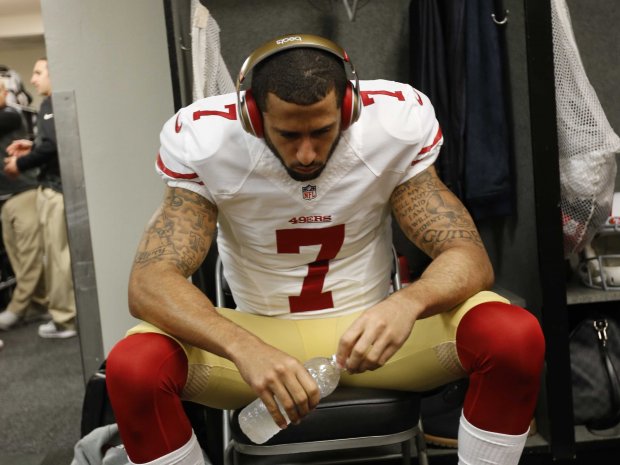
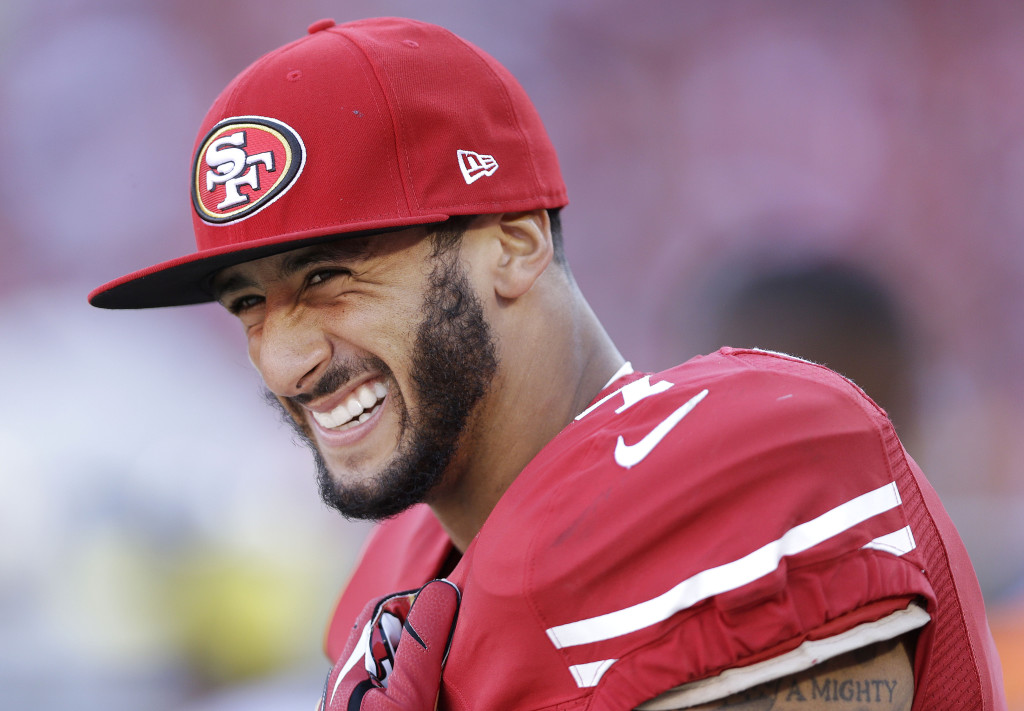
Being the “126 Million Dollar” ticket isn’t always an easy thing to own. Players contracts are always glorified on sporting news websites and TV shows, highlighting the large dollar figure but rarely breaking down how the money is distributed. You hear trigger words such as “guaranteed money” and “x amount per year.” However, this can all be very deceiving. How this is communicated to the public is very vague and sometimes inaccurate. Take for instance San Francisco QB Colin Kaepernick. As Cork Gaines of Business Insider put it, “after Kaepernick’s nightmare season we are already seeing that the contract is not nearly as big as everybody made it out to be, and he could receive as little as $25.9 million” (Gaines, Business Insider).

colin-kaepernick-32

This a far cry from what was labeled as an amount over 100 million dollars more. Why the hazy explanation on what Kap is and will eventually be making? Much has to do with getting fans excited about the “franchise” QB. The stamp of approval from the organization on such a large “committed” contract allows for season ticket holders to get excited about a potential dynasty in the future. However, as we saw this past Sunday in Seattle and all season, the Kap is in much trouble, with his head coach on the brink of termination, and the organization left wounded and looking for answers. The issue with such a large contract is not in the figure itself, it’s in what is actually committed to the player. As is the reality of the Kap’s “record” deal, the 49ers played this perfectly. If they win consecutive seasons and make the playoffs, Super Bowl with a successful Kap at the helm, he would be rewarded accordingly.

Colin Kaepernick

However, they had a contingency plan from the beginning, and that was if things go south, which they did, they can bail out any time. Whether or not Kap knew this when he signed the dotted line is another story, but the fact is, $126 million over 6 years is not what is binding in reality, but a superfluous number that may never be actually seen by Kaepernick and his agent. When it comes to guarantees, the only one is that no teams want to feel married for too long, since the more they commit, the more they may be setting themselves back for years.

http://www.businessinsider.com/colin-kaepernick-contract-2014-12#ixzz3M85mD4K9

Posted in Uncategorized | Comments Off on All Eyes On The Kap

Cultivating Consumer Advocacy Through Employees

An employee’s positive attitude and behavior are key in cultivating consumer advocacy. When employees of an organization conduct themselves in a positive manner, consumers are more receptive to becoming an advocate of that brand (Azzarello, Debruyne, & Mottura, 2012). A survey conducted by top management consulting firm Bain & Company proves that the overall experience of dealing with a company (i.e. interactions with employees) often matters more to customers than a price or brand. As if often seen, happiness is contagious and the same is true for the enthusiasm of engaged employees onto other employees and customers.

But what is so great about engaged employees and why is this important? In a study that encompassed 7 years, Bain & Company found that companies with highly engaged workers grew revenues two and a half times as much as those with low engagement levels (Assarello et al., 2012). Engaged employees direct their energy toward the right tasks and outcomes, convey a strong sense of purpose, and create a sense of affiliation (Azzarello et al., 2012). When dealing with customers, engaged employees convey a sense of job satisfaction: they are happy working for the organization, they are treated well, and it’s a brand they trust. In turn, happier employees provide a more enriching customer experience.

Companies that succeed at engaging employees do a good job of communicating and explaining the “why.” This “why” helps promote a sense of purpose to employees in any organization. Positive feedback goes a long way. One common thread is that people think feedback should always be negative. However, positive feedback is a “powerful reinforcement of desired behaviors and reminder of the employee’s purpose” (Azzarello et al., 2012, p. 5). This report by Bain & Company highlights that performance metrics need to be tailored to each company to promote customer advocacy. In addition, gaining feedback from call centers, for example, for departments that typically don’t directly interact with customers, such as marketing or engineering, can have a direct impact on the customer experience and create cross-functional collaboration.


References:

Azzarello, D., Debruyne, F., and Mottura, L. (2012).  The chemistry of enthusiasm. Bain & Company. Retrieved from http://www.bain.com/publications/articles/the-chemistry-of-enthusiasm.aspx

Posted in Uncategorized | 3 Comments

Heartwarming Holiday Ad- UPS Delivers Wishes

Screen Shot 2014-12-08 at 9.42.41 PM

It’s that time of year….Holiday Ad Time. We are being bombarded with ads for great deals and things we need to give to each other to warm their heart. It’s really about STUFF instead of people.  I recently came across this ad by UPS that is part of their UPS “Your Wishes Delivered” campaign. This campaign aims at doing good for others during this consumer driven time. For every wish shared on the UPS social media channels, UPS will donate $1 to one of three charities. Below is the powerful ad that UPS launched about the cutest little boy and his wish.

https://www.youtube.com/watch?v=0IsL5AMqLMY

UPS has successfully integrated their media for this campaign and I look forward to following it as it progresses during the Holiday season.

Check out the UPS Wishes Delivered website here: https://wishesdelivered.ups.com/?WT.mc_id=VAN701354#all-wishes

Screen Shot 2014-12-08 at 9.46.28 PMHow do people feel about this ad focused on people instead of stuff during the Holiday Season? The timing is perfect in my opinion.


Posted in Uncategorized | 8 Comments

Did you Forget Something?

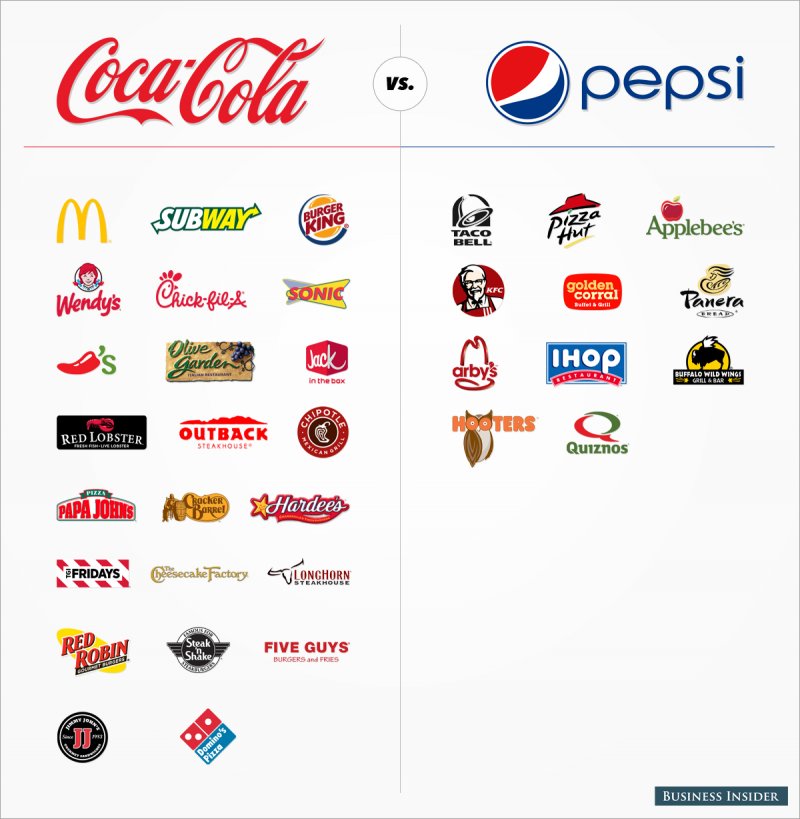
Corporate partnerships have been a mainstay of American business practices since J.P. Morgan and the Vanderbilt family helped lay the groundwork for what we now know as the Edison Electric Light Co. From entertainment empires like AEG (Anschutz Entertainment Group) to sports powerhouses like the NFL, the detail involved in partnering with these mega organizations is equal parts simple yet meticulous. After all, becoming a preferred vendor or partner can mean millions of dollars in revenue and exposure, which explains why the “beverage wars” for placement and partnerships are among some of the most competitive in the business. With CocaCola outpacing it’s #1 competitor Pepsi at 2-1 margin it’s also clear why contractual product placement has become a standard component in most deals.

coke v. pepsi at restaurants_02

So what happens when one party “forgets” their part of the deal? While no two cases are the same, one would safely guess that it involves a lot of legalese, a little finger pointing and at the very least a sternly worded memorandum. In the case of Arby’s and Pepsi however, it resulted in a self-deprecating yet perfectly orchestrated mea culpa.

It all started with Arby’s new tagline “we have the meats”. As the creative focus moved toward the core menu items, it shifted away from the complimentary counterparts (like beverages) and the perfectly orchestrated deal points that traditionally accompany them. According to Rob Lynch, Chief Marketing Officer and Brand President for Arby’s, “the contract with Pepsi simply slipped everybody’s minds”.  When Pepsi politely informed Arby’s that they were still “one commercial short of their contractual obligation”, it appeared to be a recipe for disaster. Especially when coupled with the fact that Arby’s final spot had been approved and completed some six months earlier. “To go in [to the agency] after we shot them and shoehorn something in is like the worst client move you could ever make,” Mr. Lynch said.

Prepared for the worst but hoping for the best however, he handed complete creative control to the agency and empowered them to come up with a viable solution. The result? A perfect balance of humor, authenticity and regret, genuine enough to achieve the directive yet, “sticky” enough to become one of the most celebrated spots of the year. A “big idea” that hits every facet of the S.U.C.C.E.S.s model by exploiting the very elements it embraces. Roberto Rios, chief marketing officer for PepsiCo’s food service division agreed, “we applaud Arby’s unconventional approach to marketing and when they came to us with this idea, we thought it would be a fun, creative way to highlight our partnership”.

In addition to highlighting the competitive advantage trust builds between organizations, the spot also capitalizes on the transparency and reciprocity valued by today’s consumers. You be the judge…will you accept the apology?

http://youtu.be/Jv5StAv77Dg

References:

Historic Collaborations
http://images.businessweek.com/ss/08/11/1121_famous_partnerships/2.htm

See Which Major Restaurants Serve Coca-Cola Vs. Pepsi
http://www.businessinsider.com/restaurants-that-serve-coke-vs-pepsi-2013-12#ixzz3LAoMqKRL

Arby’s Forgets Advertising Deal With Pepsi, Makes Apology Ad Entirely About Pepsi
http://blogs.wsj.com/cmo/2014/12/01/arbys-pepsi-advertisement/

The Only Lasting Competitive Advantage Is Extreme Trust
http://www.fastcompany.com/1809038/only-lasting-competitive-advantage-extreme-trust

Posted in Uncategorized | 8 Comments