McDisaster

Nowadays, social media marketing is a dominant strategy for many big brands. Many corporates try to engage with customers by using social media. The share ability, interactivity, and low cost are the benefits of using social media as the main marketing tools. However, social media might leads to disasters in an unexpected way sometimes. Once the marketers make the mistakes on it, things could easily backfires.

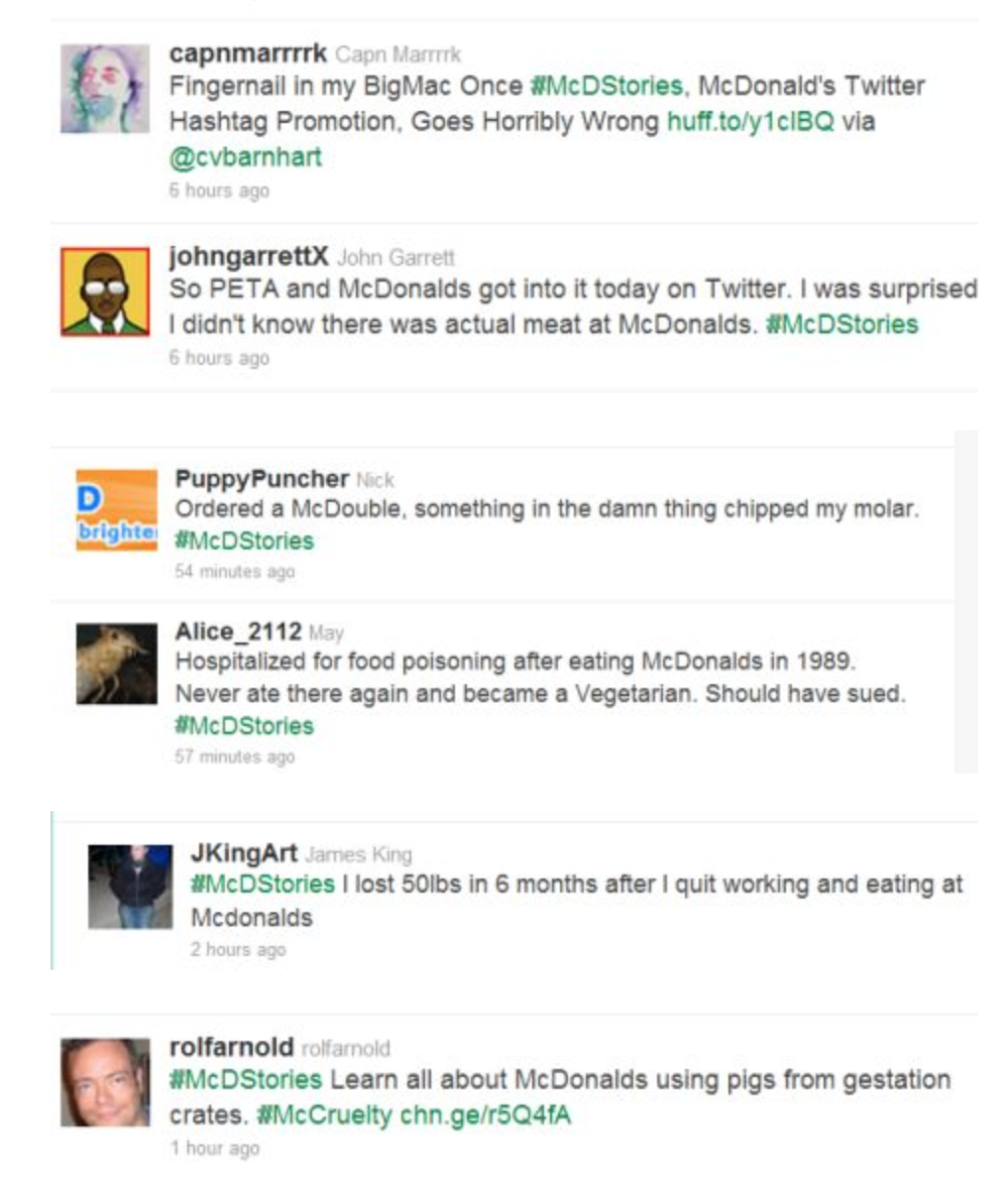
This happened to one of McDonald’s campaigns in 2012. At first, McDonald’s sponsored the hashtag #McDStories in January 2012, asking users to tweet in about positive dining experiences at its restaurants. Instead, respondents joked about obesity and dog food. Although the company pulled the campaign within two hours, it has already continued to spiral out of control. Users kept tweeting the abandoned hashtag a week after it was removed.
螢幕快照 2014-10-25 下午11.20.36

Although everyone use social media, its power is being underestimated at most of the time.  The McDonald’s case shows how the corporate’s intention of utilizing the interactivity between social media and customers failed. The reason of why the campaign went wrong is debatable. The marketers might need to examine more about social media before designing the tools for social media marketing campaign. Once things go public, there is no way back.

Reference:

http://www.businessinsider.com/mcdonalds-twitter-campaign-goes-horribly-wrong-mcdstories-2012-1

http://www.smartplanet.com/photos/10-brands-damaged-by-social-media-disasters/5/

Posted in Uncategorized | 8 Comments

Mom, what is that girl doing with her hamburger?

Unsure of what to write about, I asked my thirteen-year-old daughter’s advice for a writing prompt. She suggested I write about how advertising has changed since I was her age and then reminded me of how I’m always complaining about the Carl’s Jr. commercials and billboards. So here it goes a little combination of the two.

Clearly I am not the target audience of Carl’s Jr. If I make it through a commercial, I’m embarrassed for women everywhere and am more likely to have self-esteem issues than to eat a burger. Regardless of my own issues, most concerning is that these commercials are on regular television and the ones online are even worse.  As a parent of three children, I don’t appreciate Carl’s Jr. advertisements because it prompts questions like, “Mom, what’s the mile high club?” and “What is that girl doing with her hamburger?” And a number of other questions I can guarantee I never asked my mom.

When I was a kid Carl’s Jr. had Happy the Star. Remember him? He was cute, friendly and so not controversial. In 1984, Carl’s Jr. was excited to share the big deal and in the early 1990s they encouraged customers to go for the food. Sure the commercials weren’t award winning but they aren’t winning any awards now either.

Then in the mid-1990s the company retired Happy the Star and rolled out their “If it doesn’t get all of the place, it doesn’t belong in your face” campaign. While the slogan could be somewhat questionable, the advertisements like the one featuring Dennis Rodman, although messy, were not disgustingly sexual or offensive at first. While some criticized the advertisements, the LA Times reported the campaign was a success and sales for the burger company were higher than ever.  Fast forward to 2005 Paris Hilton does a commercial half-naked—wait she may be more than half-naked—washing a car and eating a burger. Oh and in case you missed that one she did an encore commercial in 2014 and brought a friend. Nine years later. Really?

For nearly a decade, Carl’s Jr. has utilized this same line of marketing. And the commercials just keep getting worse it seems. Well maybe that is not entirely true. Maybe Carl’s Jr. is trying to clean it up. The most recent commercial I saw, the mile high club, I have to admit I didn’t tell my children to avert their eyes right away. The woman at least has clothes on but the language and actions are just so overtly suggestive. Haven’t we seen enough? And can’t we just move on? I’m almost afraid to ask but what is next for the company? Where do they go from here? Maybe full nudity with a side of fries by 2020…who knows.

Posted in Uncategorized | 13 Comments

Lawd Have Mercy: We Lost Percy

Addition by subtraction. Sounds nice right? The concept that you can actually gain more with having less than you had before. Usually this pertains to companies and employee attrition, turnover and how it coincides with team chemistry. It is especially prevalent in sports – teams justify the release of a player or trade by implementing this philosophy. It happened in 2012, when the release of a future Hall of Fame QB in Peyton Manning was viewed as a “necessary evil” because “rather than investing roughly $50 million into a position where only one player can play at a time, the Colts had the opportunity to go out and add the players they need to help resurrect the franchise” (O’Donnell, BleacherReport.com). Again, addition by subtraction – and a justification to the move by the organization.


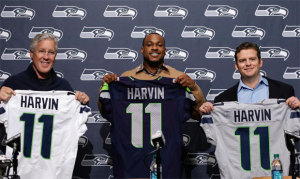
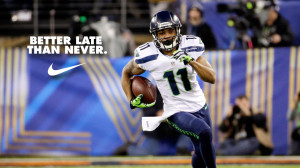
Fast forward to present day. When the defending Super Bowl champs Seattle Seahawks made the trade for Percy Harvin in 2013, giving up first, third, and seventh round draft picks for the explosive playmaker in Harvin, all was forgotten when he ran back a kick return for a touchdown after halftime in the Super Bowl this past season. The “price” that was paid seemed worth it, even after missing the majority of the 2013 season and playing his first full game on the grandest stage- all seemed well in the Emerald City.

132933VQdW6d3

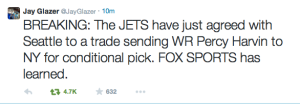
Now, just seven weeks into the 2014 season, all the “hype” behind what Harvin could do for the Seahawks on a long term basis was quickly eradicated when the team traded him for a mid round pick.

Screen-shot-2014-10-17-at-4.36.23-PM (1)2024817068

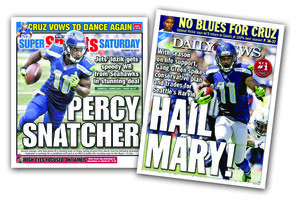
On the surface, this seemed like the classic “selling a cow for magic beans” type of deal. However, the team quickly justified it’s decision by going back to the “doing what’s best of the team” mantra. Nine months ago this move would’ve never seemed imaginable when Percy was trotting into the endzone on his touchdown score in the Super Bowl. Now, we realize the business that is the NFL. We come to grips with the reality on the whole “hero to zero” philosophy that is always apparent in business. Most importantly, we accept that these things happen. You work for a company for over a decade, then one day they do layoffs and you are one of the first to go. An organization promotes you one minute and the next you find yourself in the unemployment line. It’s the harsh truth that is corporate America. The NFL is no different. Emotionless. At yesterday’s press conference, Head Coach Pete Carroll was asked if he had any further thoughts regarding the Harvin exodus. Simply put, Carroll responded, ““We already have made that move…It doesn’t feel any different today. We’re moving on” (Florio, ProFootballTalk.com). Whether you nip things in the butt or just want to pretend something didn’t happen, we all have our ways of dealing with situations and moving past things. The best way to turn the other cheek is to not look in the rear view mirror, even if it’s dazzled with fond memories or nostalgia. A smile with a response, “He’s a Jet” and leaving things at that will let people know where the line in the sand is drawn, and the jettisoned approach to letting things go and shifting gears within an organization is what needs to happen to move on. After all, isn’t that what we need to do when things don’t work out, move on? Regardless of details or not having all the answers, that’s how you market your communication to your employees and fans, you simply wish people “the best in their future endeavors,” “thank them for their time,” and say “we are doing what’s best for the team and organization.” Addition by subtraction- you lose one piece but somehow the other pieces get stronger. After all, regardless of who’s on board, the ship still sails and the train keeps running right? Not personal, just business…

Florio, M. (2014, October 22). Pete Carroll has nothing more to say about Percy Harvin. ProFootballTalk. Retrieved October 23, 2014, from http://profootballtalk.nbcsports.com/2014/10/22/pete-carroll-has-nothing-more-to-say-about-percy-harvin/

O’Donnell, W. (2012, March 6). Why the Colts Made the Right Call on Peyton.Bleacher Report. Retrieved October 23, 2014, from http://bleacherreport.com/articles/1052398-peyton-manning-released-colts-wisely-protect-future-by-deciding-to-cut-qb


Posted in Uncategorized | 3 Comments

ARE YOU FED-UP?

Fed Up

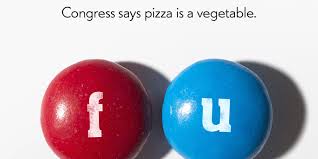
1 out of 3 Americans will have diabetes by 2050! This statistic was what motivated me to do further research into the alarming number. I wanted to find out where it all stemmed from and to learn how I can prevent the epidemic.

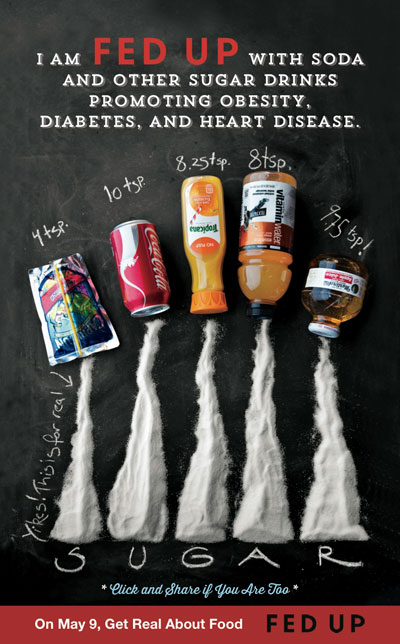
Fed Up the documentary was released  by in May 2014 and has made waves with its astonishing claims about the amount of sugar Americans are consuming. According to the documentary, there are “600,000 food items in America and 80% has added sugar,” which means preservatives like sugar and syrup are added for “flavor.” This “flavor” is costing us our health. Sugar, leads to an increase in insulin, which leads to obesity, then diabetes or heart disease.

Research shows that most food items that contain the most sugar are the foods we feed our kids. No major surprise since the sugary drinks appeal to kids. But, according to the documentary Coke Cola is the main sponsor for 80% of elementary and middle school districts in the U.S. Kids today do not stand a chance with the options of food and drinks offered at school.

Fed-Up-Food-Documentary-Sugar


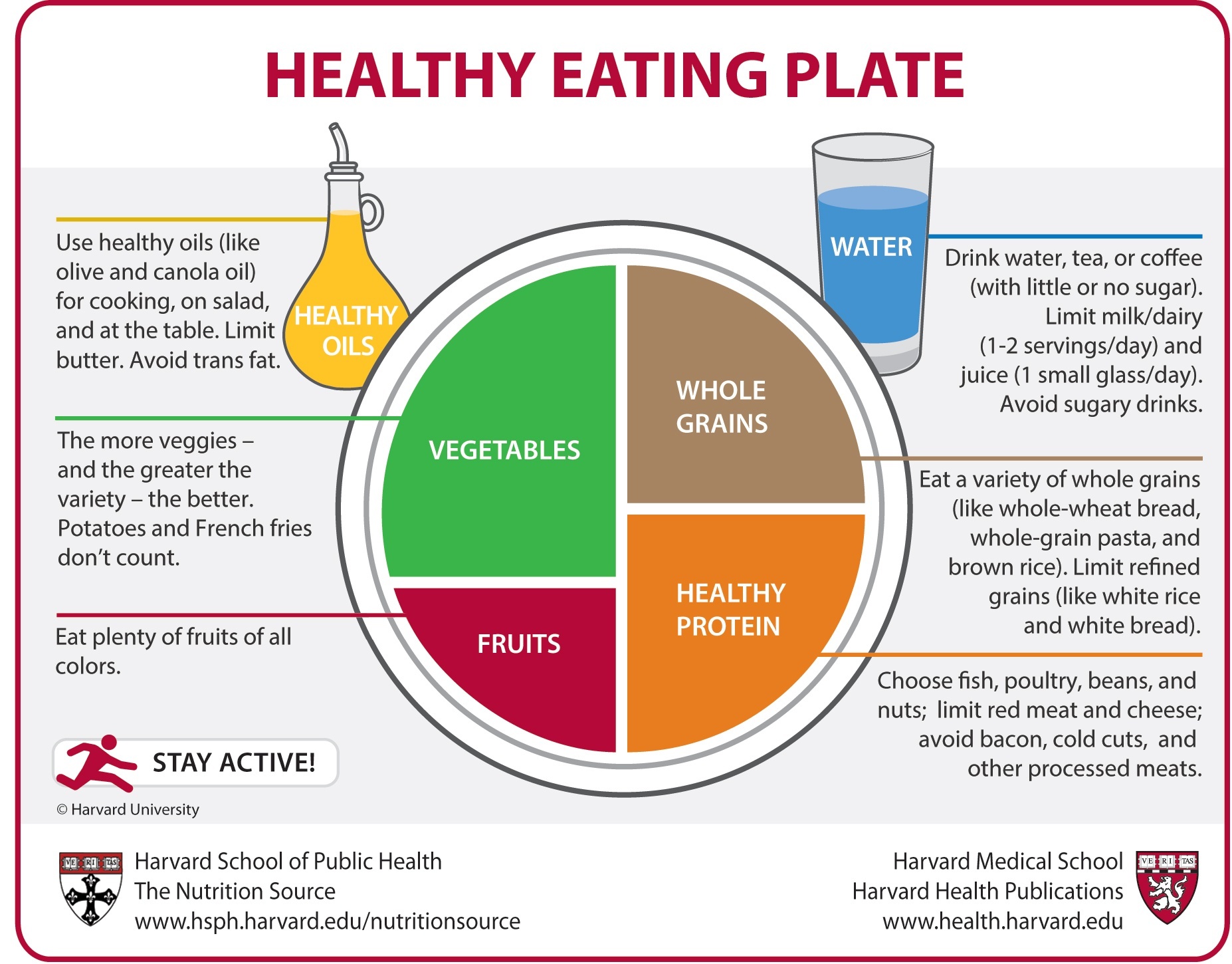
In 2010, the President Obama signed a law requiring “the USDA to come-up with a national standard for snack food and beverages sold in schools.” The task has not been completed by the USDA.  This does not mean parents, teachers, and anyone that has a younger niece or nephew should not be advocates of eating healthy.

crazyrunninggirl.hsph-healthyeatingplate


The Fed Up documentary invites you to take a 10 day sugar free challenge. Be among the thousands that are making changes to the way they eat. My husband and I did and have noticed the new found energy we’ve gained. We have also felt more focused and have been able to sleep better. The weight loss has been a plus, the feeling of doing the right thing and caring about our health has over exceed the benefits. I invite you to watch and dare to take the challenge.

Challenge: http://fedupmovie.com/#/page/fedupchallenge

Trailer: https://www.youtube.com/watch?v=aCUbvOwwfWM

Post by: Alison Webster

Posted in Uncategorized | 2 Comments

Finally You Put My LOVE on Top!

Emotional branding has been a cornerstone of strategic marketing for over a century. Principal brands such as Coca-Cola, McDonalds and Disney have cornered the market for years with heartfelt campaigns designed to warm your heart and open your wallet, and with good reason. Analysts have found brands that effectively target consumer emotions are generally better able to tap into the habit loops – cue, routine, reward – which influence key decision making emotions such as pleasure, love and happiness (Duhigg, 2012).

As proponents of Recency Theory have noted, the “goal of advertising for established brands has shifted from awareness to reminder-based tactics designed to engage the consumer at the nearest point of purchase” (Young, 2010). Enter General Mills top performing cereal brand, Cheerios. An American staple since 1945, Cheerios is a prime example of a well-known brand that has taken full advantage of the ability that emotional branding has to “reinforce the brand proposition and convert that awareness to purchase” (Young, 2010). In 2013, the company introduced a campaign focused on the ultimate benefit, LOVE.

“Cheerios is about families and love and connections — and breakfast,” says Camille Gibson, vice president of marketing for Big G cereals. “Our new Cheerios ad celebrates one of those special moments with a family that America fell in love with. The brand is at its best when it reveals moving insights about what connects us to each other, especially as families, and often through the lens of a child.  The ad quietly celebrates the emotional sharing and simple joys we find when spending just a few simple moments together every day.” – See more at: http://blog.generalmills.com/2014/01/cheerios-brings-back-a-familiar-family/ – sthash.fDILEXj4.dpuf

In 2014, they took the message further with the introduction of the Cheerio Effect. Leveraging the scientific phenomenon that naturally occurs when floating objects come together, they tapped even further into the human psyche, creating campaigns that focused on the most basic of human needs, connection.

“We saw the Cheerios Effect as a perfect metaphor for human connections,” says Amanda Hsueh, marketing manager in the cereals division. “Just as the Cheerios are naturally drawn together in the bowl, we believe that the need to connect is one of the most natural parts of the human condition.” – See more at: http://blog.generalmills.com/2014/09/have-you-experienced-the-cheerios-effect/#sthash.H5VttMi9.dpuf

Thus, the creation of the  General Mills Canada, André, Jonathan & Raphaëlle  installment. This commercial, which tells the heartwarming story of a childless couple, finding one another and then adopting a child, tugs at the very heart of the human desire for connection. The fact that the couple consists of a same-sex, male, Caucasian couple, adopting an African female, takes the campaign to a new level and positions Cheerios as a cereal for everyone and a brand without borders. As Young (2012) noted, “the most effective way to start a conversation is to listen” (p. 96). With the marriage equality act at the forefront of political and social commentary, Cheerios ability to enter the conversation in a strategic yet authentic manner demonstrates their ability to not only listen but more importantly…join in. The Effect campaign provides a key example of the SUCCESs principle at work by highlighting the Simple, Unexpected, Concrete, Credible, Emotional, Story (Heath & Heath, 2012) of real people not actors. (Grayson, 2014).

The entire campaign excels in consistency and connection among media and execution with ambient, digital, print and broadcast campaigns all featuring the signature “o’s” connecting in a bowl at some point in the message. It also blends across all formats with digital, broadcast and print ads each providing a link to the former. While many “big brands” continue to play it safe, Cheerios has proven that an investment in emotional branding is absolutely worth the connection.

http://youtu.be/QvHGKSqBVjs

References:

A Grayson. (2014, September 30). Have you experienced the cheerios effect? Retrieved from http://blog.generalmills.com/2014/09/have-you-experienced-the-cheerios-effect/

Duhigg, C. (2012) How companies learn your secrets. New York Times. (Feb 19.) Retrieved from http://www.nytimes.com/2012/02/19/magazine/shopping-habits.html

Heath, C & Heath, D. (2007). Made to stick: Why some ideas die and others survive. Random House.

Young, A. (2010). Brand media strategy: Integrated communications planning in the digital era. New York: Palgrave Macmillan.

Posted in Uncategorized | 5 Comments

“California Soul,” (1967, 1970), Reinterpreted for Dodge Ram

The recent Dodge Ram “California Soul,” advertisement is an excellent example of how glamour can be used to sell even a rough-tough pick-up truck. A woman croons, “Like a sound you hear/That lingers in your ear/But you can’t forget from sundown to sunset …” This is the voice of jazz artist

.

But what makes a successful television advertising campaign? Polish, according to Barry (2008, 2012), and soul. The “California Soul,” commercial features the voice of classic jazz singer Marlena Shaw and she provides the backdrop for the ubiquitous, strong male voice over, also a Dodge classic. (Seriously, who is that Dodge Ram announcer, guy?) There are several versions of this commercial that feature the same song in the background. People may be compelled to watch, either on TV, or on YouTube, just to see the various versions. Also, the song, “California Soul,” piqued the curiosity of music fans as evidenced by fan comments in YouTube postings, and countless plays on Spotify, the music-sharing site.

Yet, should television commercials rely on old songs for success? Something Barry recommends for a successful television commercial, is for producers to stay away from the familiar (p. 172), but that must be one rule that is meant to be broken. In this case, the commercial would not be half as interesting without the soulful classic. I was surprised to learn, after reading the reviews of the original Shaw album on Amazon.com, that this song has been used in other commercials, including one for Target. I tried searching for the Target commercial, but instead, I just found more music videos featuring the tune, including this remix by Diplo.

From the first strains of the orchestra strings to the thumping bass, one has to refocus attention in order to understand that a black pickup truck is the subject of such a dramatic presentation. Indeed, close shots of a couple riding in the cab, barreling through a Redwood, heading for the coast, gives the sense that this vehicle is not just any pickup, but a luxury automobile.

“California Soul,” does more than sell trucks, it taps into the American fantasies about The West. The West is part of the national consciousness right now, in part due to the recent news story regarding the executive order signed by President Barack Obama declaring the San Gabriel Mountains a National Monument. One wonders whether the idea of The West will continue to capture the imagination of marketers.

A Motown classic, reinterpreted for the hip hop age, “California Soul,” (1967, 1970), was originally penned by the husband/wife duo Ashford and Simpson. Many artists have covered, and re-interpreted the tune, but today, thanks to a pickup truck, an old classic has found a new audience.

Reference

Barry, P. (2008, 2012). The advertising concept book: A complete guide to creative ideas, strategies and campaigns. New York: Thames & Hudson.

Posted in Uncategorized | 9 Comments

An Audience For Your Product: Fully Customized

I often daydream about strangers (let me explain!).  Simply in my day-to-day during my commute, taking a stroll for a cup of coffee, or merely at my leisure wherever I may be, the curiosity of what contributes to type of car someone drives, the selection of adornments across its bumper, or the intent of their personal style is something that continually intrigues me.  I wonder at individuality.  Styles may follow trends but they’re still personally tailored with an individual’s charm.  From the preparation of a Starbucks order –scribbled ever so uniquely along the side, to the custom NIKEiD kicks with a matching iPhone case, I’m intrigued by the way consumption is customized to best represent one’s individuality. It’s a mark of one’s lifestyle. Daydreaming aside (as creepy as that may be), I’ve realized this originality is no longer limited to the consumer.

Google’s Affinity Audiences now allows businesses to enhance themselves with select consumer groups specific to their purpose. Depending on a particular product, a marketing initiative tailored to a particular season, or the peculiarity of select consumers, businesses can now select and customize an audience. Much like a distinctive consumer lifestyle, Affinity Audiences serves as a corporate wardrobe essentially, creating the possibility for a business to personify their organization with an audience that best resembles its brand (or sub-brands).

Similar to the individuality that consumers uniquely express, companies can now tactfully connect and develop a trademark character via the consumers in which they market. Rather than only the customer identifying themselves with the products they consume, companies can now further define themselves through the customized market(s) in which they do business.

Posted in Uncategorized | 8 Comments

Never Stop Exploring

Not that traditional advertising is not important or does not exist anymore, what advertisers and marketers need to do is far more complex and complicated than what it was before in order to really cut through the marketing clutter that is present all around us. It is not enough to just communicate to the consumer through copy and visuals and expect them to understand our brand promise and personality. This thought is nothing new and everyone in the field is cognizant of how important having consumers “experience” and “engage” with our brand is, but it is not easily done. There are many ways of engaging the consumer, but I always love truly simple, yet creative experiences that allow consumers to understand the brand and create an emotional connection.

North Face in South Korea did a great job doing that with their latest activation campaign, albeit slightly traumatizing to the surprised consumer experiencing the campaign. In the North Face stunt, the unexpected consumer walks into a pop-up store whose floor begins to retract thus forcing the consumer to either fall or climb onto an indoor climbing wall. Then a North face jacket appears from the ceiling in a God-like manner, and as soon as that happens, a 30-second timer comes on and the consumer is encouraged to jump from the wall, grab the jacket, and fall into the cushioning below. [See video below. Please watch with subtitles on]

The stunt ends with the North Face tagline and ethos of “Never Stop Exploring.” This simple, quick and viral activation campaign did a great job embodying and communicating through the consumer experience what the brand stands for. It communicates the message that North Face challenges status quo (even in a store, the floor can disappear any minute!) and that the brand enables and encourages its consumers to do so. The video ends with quick shots of the customers having fun, experiencing the adrenaline, and feeling a sense of accomplishment for doing something they hesitated to- almost like “Yes! I did it! Even though it’s outside of my comfort zone.”

This is a much better way to communicate than through a print ad with a visual of K2 and telling us to Never Stop Exploring.

Posted in Uncategorized | 4 Comments

Did that make you cry?

Offensive imagery for brands have been pervasive in American history and many of these brands are propagated by derogatory stereotypes (Bhasin, 2011). For instance, Aunt Jemima, a brand that still exists today, but has been dramatically altered since its first introduction. Propagating an African-American archetype of “Mammy” the Aunt Jemima brand dates back to 1937 (Kern-Foxworth, N.D.)

Existing are other cases that bring responsible branding or political correctness to mind. The article, 12 Trademarks Declared Less Offensive Than Redskins, relays that the brand names mentioned in the article did not offend anyone enough to protest to the United States Patent and Trademarks Office (USPTO). “Federal trademark law does not allow the registration of any names that bring individuals or groups into contempt or disrepute,” noted the article. “Figgas over Niggas” or “Blanco Basura (White Trash)” didn’t offend, at least, according to the USPTO (Neff & Bennett, 2014).

Responsible branding heavily impacts corporate business. For example, Fedex initiated a risk analysis of ending their sponsorship of the Washington Redskins brand (Kramer, 2013). Long since controversial in the NFL, the Washington Redskins team name has received the description of being racially derogatory. Fedex had paid $200 million to sponsor the team through to 2026 (Kramer, 2013). and wants to know how it impacts the company.

A Los Angeles Times contributer pondered, “Wouldn’t it be nice to stop worrying… and concern ourselves with simply being honest?” (Willens, 2014). The brand, Ben & Jerry’s did not change the name of the ice cream “Hazed & Confused” after the company was accused of “supporting hazing, or even inferred hazing” in the product’s name (Stanford, 2014), but will it hurt the Ben & Jerry’s brand?

How much is too much politically correctness or inversely, how much is just the right amount of responsible branding?

Resources:

Bhasin, K. & Laya, P. (June 2011). 26 shockingly offensive vintage ads. Business Insider. Retrieved from http://www.businessinsider.com/vintage-sexist-and-racist-ads-2011-6?op=1

Kern-Foxworth, M. (N.D.) Aunt Jemina, uncle Ben, and Rastus. The African American Experience. Retrieved from http://testaae.greenwood.com/doc_print.aspx?fileID=GR5184&chapterID=GR5184-561&path=books/greenwood

Kramer, M. (October 2013). Why responsible branding matters to shareholders. Green Biz. Retrieved from http://www.greenbiz.com/blog/2013/10/28/responsible-branding-shareholders

Neff, B. & Bennett, J. (June 2014). 12 trademarks declared less offensive than redskins. Joe for America. Retrieved from http://joeforamerica.com/2014/06/12-trademarks-declared-less-offensive-redskins/

Stanford, D. (October 2014). Ben & Jerry’s refused to change ‘Hazed & Confused’ name. Bloomberg. Retrieved from http://www.bloomberg.com/news/2014-10-17/ben-jerry-s-won-t-rename-hazed-confused-after-complaints.html?ncid=txtlnkusaolp00000618

Weinman, K. & Bhasin, K. (September 2011). 12 uncomfortably racist vintage brand mascots. Business Insider. Retrieved from http://www.businessinsider.com/racist-company-mascots-2011-9?op=1

Willens, M. (October 2014). Political correctness police should give Joe Biden a break. Los Angeles Times. Retrieved from http://www.latimes.com/opinion/opinion-la/la-ol-ben-affleck-bill-maher-joe-biden-political-correctness-20141007-story.html

Posted in Uncategorized | Tagged , , , | 8 Comments

Solve your own crisis!

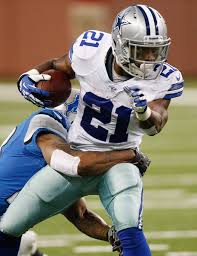
Joseph Randle, Dallas Cowboys Running Back, recently arrested for shoplifting underwear.

Joseph Randle, Dallas Cowboys Running Back, recently arrested for shoplifting underwear.

Get out in front of crisis! Anyone who argues with this notion in today’s world probably lives under rock and doesn’t pay attention to social media. I actually study sports and I treat as an academic discipline, that’s probably why I can’t watch games in the presence of the casual fan, as their sports’ takes are nothing more than regurgitated fodder. But today I’m going to talk about how the sports world seems to provoke more opportunities for crisis management than other industries. Perhaps, it’s because athletes and sports teams presence in the media, particularly social media, is greater than ever. But, I’m going to talk about a less serious crisis concerning Joseph Randle (Randle) (Dallas Cowboys Running Back), recently arrested for stealing underwear and how he is applying appropriate image repair theories. There are two simple things an athlete should do during crisis, apoligize and take corrective action.

Apologize and Take Responsibility

In order to mitigate the potential harm to one’s brand and repair an image, it’s wise to give an apology, wherein the athlete shows true contrition.  It’s a simple task, yet not all athletes in crisis perform this task. Tiger Woods took over month before he apologized during his extra marital affair crisis in 2010. Randle, on the other hand, apologized just a couple days after the incident and actually gained an endorsement from MeUndies, a Los Angeles based underwear company.

Take Corrective Action

Along the same lines, an athlete should take corrective action. Meaning, an athlete needs to show what steps he or she is taking to ensure the harm will not happen to themselves or the public again. Fortunately for Randle, MeUndies will give Randle underwear (corrective action for himself), but more importantly, MeUndies is donating underwear to children in need of this basic necessity, bringing awareness to the problem (corrective action to the public). Basically, a one-two jab combo is all that is needed during crisis management. That is, apologize (one) and show the public what you will do to solve the problem (two).  A simple, yet effective strategy, so it puzzles me why athletes like Tiger can’t or chose not follow this strategy. Maybe, their publicists, agents and marketing teams need more academic knowledge in their back pocket.

http://youtu.be/Q6a7YxnN-VE

References

Grams, C. (2012). The ad-free brand: Secrets to building successful brands in a digital world. Indianapolis, IN: Que Publishing.

Kassing, J. W., & Sanderson, J. (2010). Fan-athlete Interaction and twitter tweeting through the   giro: A case study. International Journal of Sport Communication, 3, 113-128.

Roberts, D., & Snyder, B. (2014, September 20). Ray rice and 11 other athletes who lost their endorsement. USA Today Sports. Retrieved October 11, 2014 from  http://fortune.com/2014/09/20/ray-rice-adrian-peterson-tiger-woods-athletes-dropped-endorsements/

Shefter, A (2014, October 19). Joseph Randle to endorse MeUndies. Espn.com. Retrieved October 19, from http://espn.go.com/dallas/nfl/story/_/id/11727006/joseph-randle-dallas-cowboys-partners-meundies-shoplifting-arrest

Posted in Uncategorized | 7 Comments