
Since Google released Google Places app for iPhone early in this year, location based services (LBS) becomes one of the most talked topic in the mobile marketing field. Those mobile apps can offer people navigation (e.g. Lonely Planet apps), allow them to obtain information and leave comments on stores (e.g. Yelp), and help them win discounts and coupons by simply “checking in” to shops (e.g. Foursquare).

How can LBS attract users? One reason could be the convenience it may bring to people. While accessing information it self is no longer a problem with the explosive growth of internet, the consideration of LBS is to enable people to access what they want whenever and wherever they want it. Therefore, the core is to integrate the three factores – information, time and places together, to create the convenience for people.
Moreover, LBS also contributes to the Online to Offline(O2O) commerce that is now using discounts and coupons to attract people. Technologies such as QR code and Near Field Communication (NFC) are nurturing possibilities for future business. Other business models such as Groupon are aslo trying to be integrated into the trend.
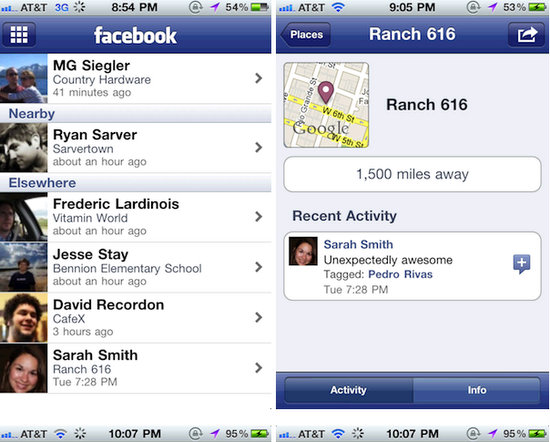
Except for the information and money factors, it is worth to look at other incentives for people to use LBS. While LBS is trying to take advantages from social media (e.g. facebook places) to maximize its marketing effectiveness through the word of mouth, it is the time to think about why people are willing to share their geographic information to others. Does the fact that“ I have been to this restaurant/theater/concert” say something about myself? Why I want to show to others where I have been/am/want to visit? Will the information of “I am now here doing this” enable me to connect to people physically around me? The purpose of using LBS may not just be finding information about one place and spend less money there. It could be using the places s/he have been to express themselves.

Source: apps.facebook.com/whereivebeen/
While the existing apps and websites are mostly focusing on the first two incentives, the third one of self expression and social interaction are usually ignored. It would be great to see if the three incentives can work together for future LBS applications.
References:
1.Geolocation&Location Based Services – Opportunity Knocks: http://www.webmapsolutions.com/category/mobile
2. O2O Commerce is the New Hot Methodology for Local Business: http://www.buzzle.com/articles/o2o-commerce-is-the-new-hot-methodology-for-local-business.html
3. Why social Media Should Welcome Location-Based Services: http://www.businessweek.com/technology/content/sep2009/tc20090927_138649.htm
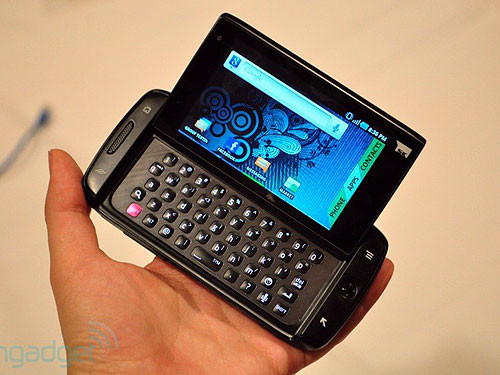





 With global markets being saturated with a variety of different companies producing the same products, companies are finding solutions to make themselves stand out, with extra features, creative marketing strategies, and funky designs. Are they just gimmicks, or are these features essential to our “entertainment experience?


 Time Warner Cable is under attack for their new iPad App that allows users with iPad’s to watch their subscription cable TV anywhere in their home on their iPad. This new App that Time Warner released on March 15, 2011 has already been downloaded by 300,000 customers, but has received a surprisingly negative backlash from programmers that has included at least one or more documented cease and desist letters sent to Time Warner. Time Warner’s Chief programming officer Melinda Witmar said, “We certainly did not anticipate that programmers would be unhappy about this in any way. TWC has received a number of inquiries and there are definitely some programmers who said they don’t agree… (we) have been sent “one or more” cease-and-desist letters but so far there has been no formal lawsuit lodged over the TWCable TV app.”