The Gentle Sell

As residents of a highly commercial world, we are inundated with thousands of advertisements daily. From screaming billboards alongside the freeways on the way to work, to the Lacoste logo on a colleague’s shirt or bag, repetitive radio spots on the drive home, it is no wonder that we feel fatigued and impatient by the time our favorite TV show rolls around in the evening. Televisions ads so often scream instructions to “Buy this! Try that!”– do most of us not already feel bossed around enough in a day? It seems that a new wave of advertisements has emerged; these ads illicit emotion and amuse viewers while acknowledging our ability to think for ourselves, and figure out the message.

Here are two examples I came across this weekend: the first is by Target, and the second by Axe Body Spray.

http://www.youtube.com/watch?v=XNYwpedglB4

The beauty of the Target commercial is that it is wordless, and makes full use of the adorable baby and familiar background sounds to convey its message, with a confirmation of the product being sold flashed at the very end. Imagine seeing this amidst a string of other loud and flashy commercials while watching Modern Family on Wednesday. Would this not feel like a welcome, restful break?

The Axe commercial tends towards more clarification at the end, with a compelling “even angels will fall”, even though the average viewer would have hopefully gotten the message before then. Nevertheless, the voiceover serves salient purpose by adding to the sense of grandeur in this situation of epic proportions with the man’s rumbling voice. Angel’s “falling” is also a double-entendre, since the women literally fell out of the sky, and metaphorically fell from grace by shattering their halos. Either way, it is a brilliant ad that appeals briefly to the viewer’s intellect, resulting in a gentle sell that could very well be more effective.

Posted in Uncategorized | Comments Off on The Gentle Sell

Music Can Make It or Break It

Do you ever catch yourself humming a tune from a TV commercial? I sure do, and I can often remember the song, but not always the ad. Rarely the ad. The use of music in a commercial is crucial. You can have a good idea for the ad, good execution, but if the music choice for the commercial is a miss, the commercial will be too. Just think of the Budweiser cowboy commercial from the Superbowl this year: a grumpy, thirsty cowboy singing “Tiny Dancer” (?!) after having quenched his thirst. Really? As much as I love Elton John, the choice of music here was wrong. Bad. The reactions to the commercial proved it. Something from the UFO (rock’n’roll band) repertoire like “Too Hot To Handle” would have matched it much better.

Music in a commercial is a great way to make people feel united, drawn to a product, and emotional about something (which is one of the key elements of a successful advertisement as we have recently learned from Bros. Heath). We get turned on to something through a song. Just think of the use of AC/DC’s “Rock and Roll Ain’t Noise Pollution” in the Nike “Awake” commercial. The response was overwhelming. People liked the music more than the ad. The ad was about human spirit, about getting of your behind and doing something. And what better music choice for it than the music of AC/DC-the band that has become a cultural institution, whose music appealed, and still does, to various demographics of every socio-economic strata. They are the ultimate rock’n’roll band, that was often imitated but never duplicated. There are many examples of commercials where the use of their music has made it a huge success. Remember the NASCAR commercial with “T.N.T” (I’m Dynamite) in the background? Or the use of their music for Rock Band 2 Rock Band 2 video game? With their music they add a level of honesty and straightforwardness, as well as a level of fun to the product. Another example of a very successful fusion of music and ad is a Gap commercial with a girl playing electric guitar to “Back In Black”, with a stack of Marshal amplifiers behind her, saying how Angus Young (AC/DC lead singer) was her first love. That was more commercial for AC/DC than Gap.

There was one more commercial though that was accompanied by AC/DC music but had a split reaction with audience. It was a Gap commercial with Audrey Hepburn dancing also to “Back In Black” introducing new line of Gap skinny jeans. People just could not associate Audrey and her image to that of Angus Young and the music of AC/DC. I personally liked the ad, it was a memorable one, but I think people did not react well to it because it was a clash of two strong, yet very different brand images.

Nonetheless, AC/DC has been and remained a formula for commercial’s success. They are a great brand that has not changed a bit since day one, and their “presence” in a commercial is a mark to a customer that if you interact with a product you will be rewarded in a certain way. Their music can still make it or break it. So, choose your songs wisely, all you commercial wizards.

Posted in Uncategorized | 1 Comment

Marketing yourself in 140 characters or less.

What do Justin Bieber, Lady Gaga and Britney Spears all have in common?  Besides being the most played and sung artists on my iPod in my car (proud to be a “Belieber,” a “Little Monster” and the biggest Britney fan ever), they are also some of the most followed celebrities on the Social Network phenomenon, Twitter, even ranking above our nation’s president @BarackObama.

For over a year now, this “mini-blogging” site has gained momentum and millions of followers due to its famous faces, real time updates and “everyone’s a celebrity” mentality.  As users connect with untouchables, tweet, retweet, reply, message and “converse” with one another, the site stands to be THE new form of public expression.

Recently, the #trend  has been that if you’re a celebrity,  self promote everything you can, even though you’re already in the public eye 24/7.  (Justin Bieber’s “Never Say Never” initial success was part due to his constant twitter updates).  The most recent case? Charlie Sheen.  We’ve all seen the videos, been envious of his “tiger blood” and hid our faces when he chose to say he was “alive” instead of an addict, however Mr. Sheen’s rants have earned him 1,877,933 followers on Twitter since he signed up on March 1.  What is he doing in reality? His most recent antics have landed him in a lot of uncertainty, threatening his family and future on the highly rated sitcom, “Two and A Half Men.”  His Twitter account?  Keeping him relevant, showing his supporters and proving to networks and studios that he can still bring in large numbers to a waiting audience.  So in essence, Charlie Sheen is using Twitter to save his career.  Of course his public relations director was sending out crisis media kits (before she quit), however, the direct access to the star, unedited by news or publicists alike, holds some authority in this new era.

Twitter. Pointless invasion of privacy? Shameless self-promotion? The coolest thing ever? A mix of all 3? How do you think the future of self marketing is benefiting or hurting with the constant access that Twitter allows?

#PleaseKeepAllResponsesTo140CharactersOrLess #DoesEveryoneKnowWhat#Means

Posted in Uncategorized | 2 Comments

Buytheway 2D Code

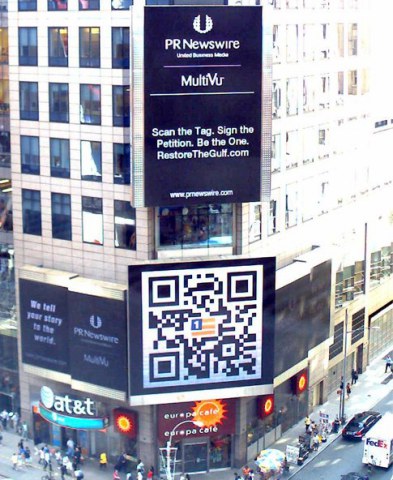
Following our fascinating discussion about 2D codes a couple of weeks ago I decided it would be a good idea to fully integrate our blog and make it readily available on our mobile devices. Capturing this QR Code should directly divert you to our website (Feel free to try!)

There are a number of code generating websites, including Delivr, Kaywa and Qurify. I really believe that if used appropriately 2D codes could permanently replace more traditional forms of advertising, marketing and promotion.

For more information on 2D codes and how to make them, read this very short article from the New York Times:

http://gadgetwise.blogs.nytimes.com/2011/03/01/qa-make-a-quick-qr-code/?src=busln

Posted in Uncategorized | Tagged , , , , | 3 Comments

Oscar-Night, Also JCPenney-Night

During the Oscar-night, we saw JCPenney’s new brand logo appear throughout Academy Awards programming in 30-second commercials highlighting key brands  Liz Claiborne, MNG by Mango, People StyleWatch and Cindy Crawfored Style.  LCPenney worked with AOR Saatchi & Saatchi on its spring fashion marketing campaign, which  launched yesterday, February 27, during the Oscar-night.  This spring campaign builds on the Company’s “New look. New day. Who knew!®” marketing platform with a new tagline “We make it affordable, you make it yours™.”

As the exclusive retail sponsor of the Oscars, JCPenney is incorporating a playful dose of Twitter and Facebook into its spring campaign, which debuts with seven Oscars commercials on Sunday.  JCPenney hopes to catch the attention of ceremony watchers who are simultaneously using Twitter. During the telecast, it run a live contest on the site, micro-blogging trivia questions about Oscars fashion while using the hashtag, #OscarsTrivia. The first person who tweets the correct answer and mentions JCPenney will receive a $20 gift card from the retailer. The 109-year-old firm, based in Plano, TX, asked six questions throughout the ceremonial Hollywood event. Timing-wise, they tweeted similarly to how the biggest awards (Best Picture, Best Actor, Best Supporting Actress, etc.) are interspersed throughout the three-hour broadcast.

“We will send the Twitter [winner] a direct message to obtain their contact information,” said Kate Coultas, JC Penney spokesperson, in an interview two days before Oscar.And during preparation days for Oscar, JCPenney had been warming its Twitter audience up for the Academy Awards. Here is one of its tweets from Feb. 23: “Trying to see more of the movies nominated for the Oscars. Which film should win for Best Costume?”

In some local markets, vignettes of the brand’s TV commercials feature “Becuase I am Addicted” fashion blogger Geri Hirsch. In the spots, Hirsch showcased the retailer’s spring line as she and a friend prepare for an Oscars party. JCPenney’s social media team then posted clothing selected by Hirsch to the brand’s Facebook page, which entails a shopping app.

Coultas said that while the national commercials will not mention her brand’s Facebook or Twitter pages, the Hirsch vignettes will encourage viewers to visit Facebook.com/jcpenney. The spring campaign, she said, is designed to appeal to an 18-to-35-year-old demographic. “Both our fashion and digital initiatives show that we are more social and mobile, which should attract a younger audience,” Coultas explained.

Meanwhile, beginning March 18, JCPenney will launch a “Shop Like a Celebrity” sweepstakes on Facebook. Consumers can enter to win a trip to New York City that involves a two-night hotel stay, limo transportation, a $500 JC Penney gift card, and fashion advice from Mia Morgan, blogger for “The Fashion Alchemist”. 

Other digital components to the spring campaign include an upcoming design contest on social shopping site Polyvore and an original video series on the JCPenney-owned property Olsenboye.com.

For more details of JCPenney spring marketing campaign, you can visit http://www.dmnews.com/jcpenney-unveils-new-logo-plans-oscar-night-launch-for-spring-campaign/article/196848/.
Vedio: jcpenney spring campaign

What do you think of those components of JCPenney spring marketing campaign,including the new logo launching, the #OscarTrivia on Twitter, and the contests on Facebook? Do you think the campaign focusing on social networking sites is still as powerful as it used to be in last few years in this “every company goes to Facebook age”?

Posted in Uncategorized | 3 Comments

Building Brand Loyalty-Starts from Pronouncing the Brand Name Right

Italian Baby Product Brand Chicco’s Campaign Strategy

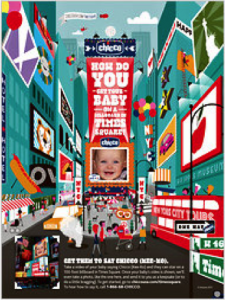
How to enter foreign market? An Italian maker of baby products decides to start from educating people to pronounce their name right. The brand is Chicco, pronounced “KEE-ko.” Chicco’s products are priced as a premium brand for mass market, although not as high as its prestigious competitor Peg Perego.  This well know Italian brand want their brand name to be said properly and frequently on the mouth of fellow Americans.

The company created a campaign that invites parents to submit videos of their baby saying “ Chicco”, and the video has a chance to appear on a billboard in Times Square. The campaign created around the theme “If you say it right, it makes you smile.” The budget is estimated at just under $5 million. The media strategy of the campaign contains print ads, online website promotion, online ads, and social media marketing including Facebook, Twitter and outreach of mom bloggers.

The aim of the campaign is to arouse customers’ awareness about the brand, which , according to the chief marketer , is “a 360-degree master brand that offers everything you need for your baby age 0 to 36 months, except diapers and food.” Further more, to build the brand image as  “a brand intent on baby happiness,” the product also emphasize its country of origin -Italy, which is considered as the presentation of product high quality.

A successful campaign that is emotional appealing? The chiccousa.com video gallery presented video of children shouting “Chicco,” chanting it, singing it and even dancing while singing it. In many clips, parents, off-camera, can be heard educating their children to say “Chicco” over and over again, and the children respond the same way emotionally. As New York Times article joked,  “the baby’s first word could not be’ mom’,  but ‘Chicco’  “.

An intelligent crowed-sourcing with user generated content? “You couldn’t do that in an ad,” said Thom Gruhler, who is in charge of the campaign. “They want to share it and pass it along,” he added. And of course, social media make it easier to do that. “Who wouldn’t want to put their kid up in Times Square and then post it to every social network Web site?” the chief marketer asked rhetorically.

Does the correct pronunciation of name really matter? What role does social media play in this campaign?

Reference

Elliott, S. (201) “A Famous Baby’s First Word? Hint: It’s Not Mama”, New York Times, http://www.nytimes.com/2011/02/22/business/media/22adcol.html?ref=media [accessed on 02/22/2011]

Posted in Uncategorized | 3 Comments

Win-Win Branding at the Oscars: Dresses

Every year, it’s the same game: “Angelina – Kate – Julia – Penelope – Keira – Natalie – WHO are you wearing?”

And so, every year, one of the biggest luxury branding events begins. While gratis Moët and expensive gift bags are reserved only for the actual Oscar attendees, there are two luxury items on show solely for us, the masses: The jewelry, and the dresses.

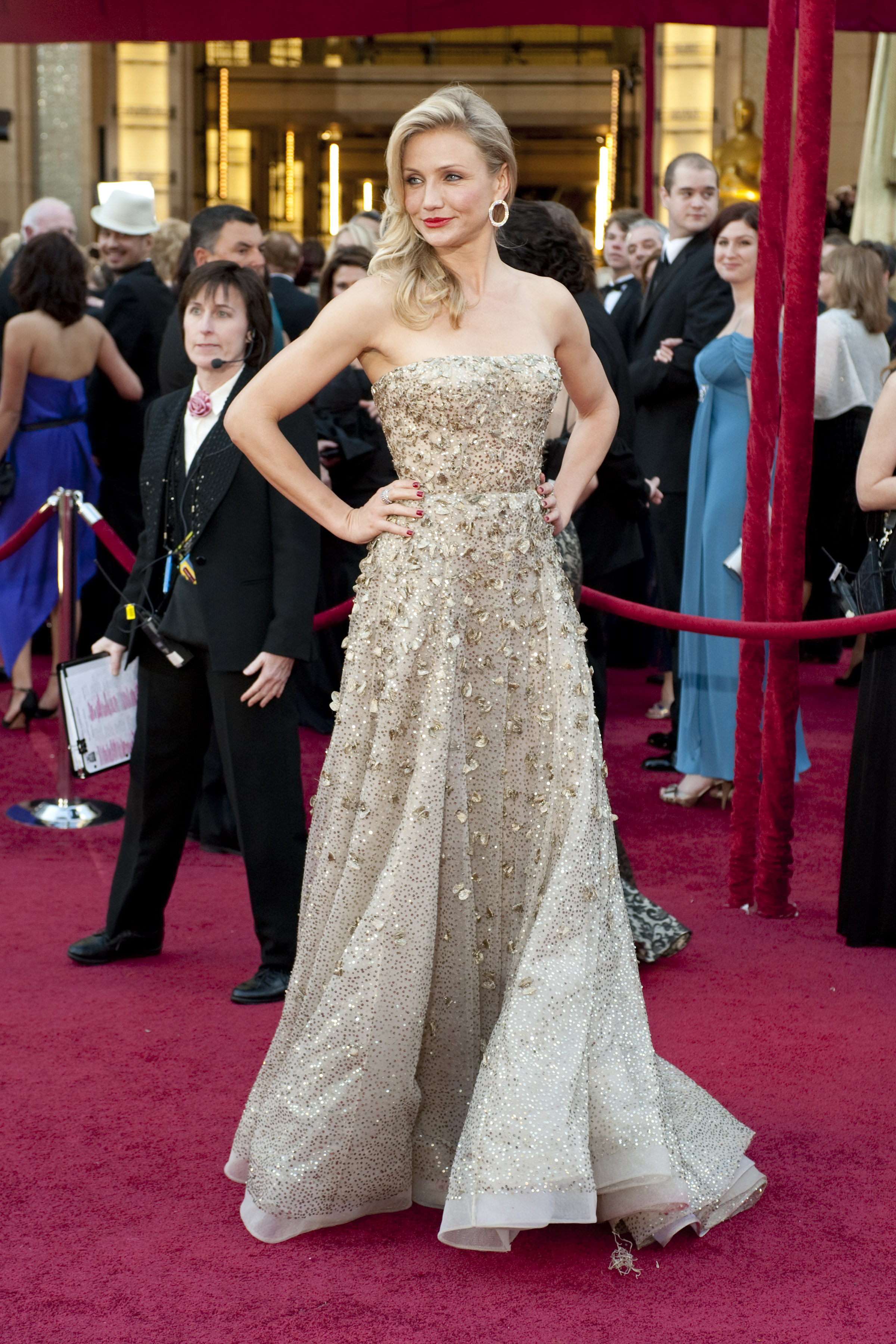
Luxury Good Branding at the Oscars: Cameron Diaz wearing Oscar de la Renta (2010). Courtesy of A.M.P.A.S.

Luxury Good Branding at the Oscars: Cameron Diaz wearing Oscar de la Renta (2010). Courtesy of A.M.P.A.S.

Not that the majority of us Oscars audiences at home could afford either of the two. As a matter of fact, the dresses that we admire from afar easily cost the same amount of money most of us hardly make in a year. And the jewelry! Which of us could even aggregate that kind of money in a lifetime of working?

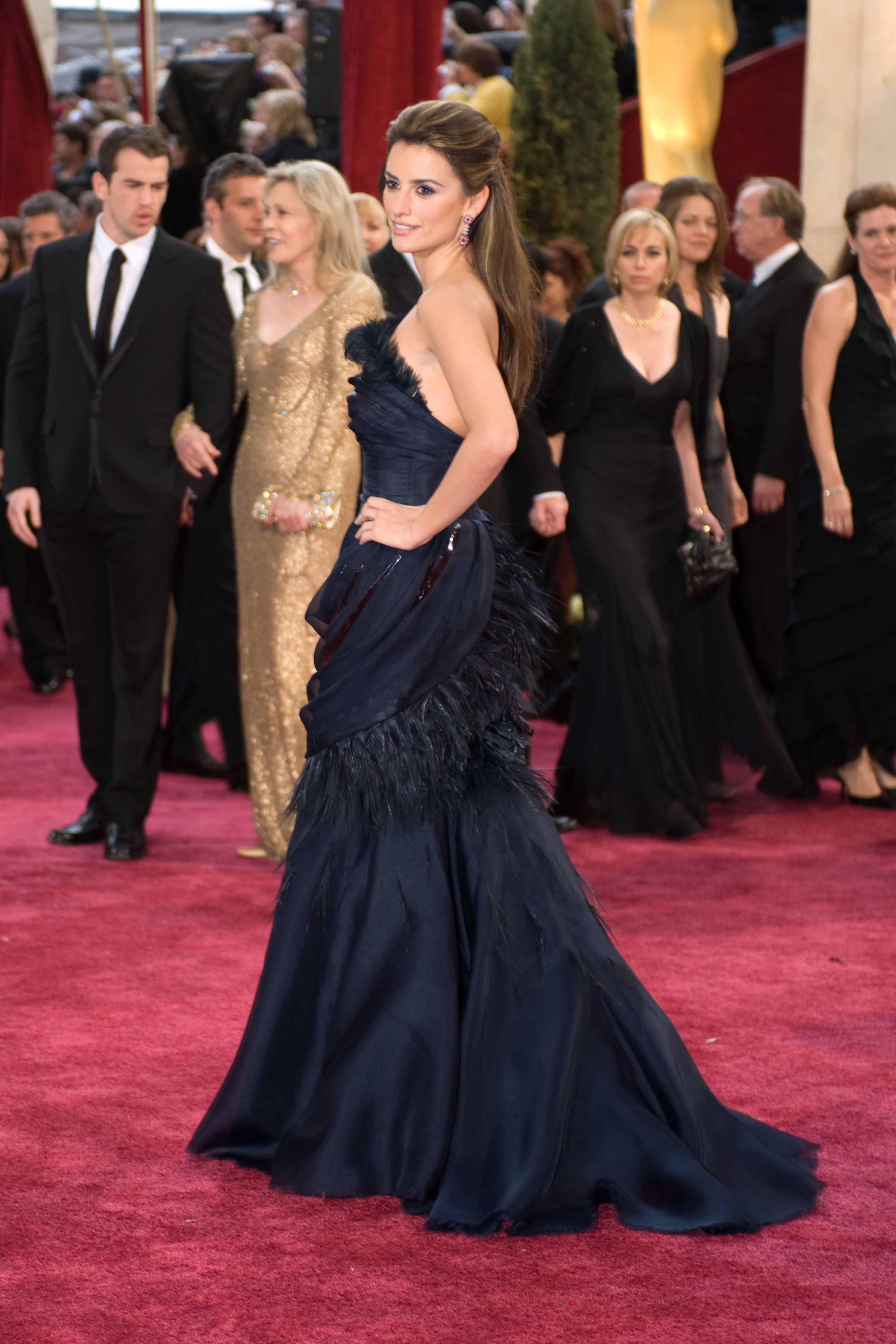
But still, we care – after all, we can dream, right? And knowing those names, knowing that Reese Witherspoon and Cate Blanchett prefer Valentino (2002 and 2005, respectively) whereas Cameron Diaz likes Oscar de la Renta (2010) and Penelope Cruz picked Chanel in 2008 – it makes us feel like we’re a part of it, like we’re there. Even though we don’t have the means to actually do so, we happily buy into the lifestyle and glamour these luxury brands embody.

And so it becomes a win-win branding situation for these luxury dressmakers. From this Sunday onwards, several hundred million people around the world will again be closely following the designer fashion masterpieces on show at the Academy Awards. They will compare them, praise them, hate them, and judge them, and by doing so they will engage with each of these brands in a manner that hardly any other marketing campaign can accomplish. While not every consumer may be wealthy enough to buy into these designer brands financially, they have a way to be a part of that life-style nevertheless: As the judges deciding what’s top – and what’s not.

All the while, the small group of people who can actually afford them is given the opportunity to buy into something truly glamorous and luxurious. A dress that was worn by a famous actress at the Oscars does not need any more validation than that. It is fabulous, it is extravagant, and it is reserved for only the most distinguished of ladies. A dress that was worn and considered ‘top’ at the Oscars carries the promise of unquestioned and ‘true’ glamour that no marketing campaign could manufacture.

Penelope Cruz wearing Chanel Haute Couture at the 2008 Academy Awards. Courtesy of A.M.P.A.S.

Penelope Cruz wearing Chanel Haute Couture at the 2008 Academy Awards. Courtesy of A.M.P.A.S.

And so every year again, Oscar audiences around the world are eager to catch a glimpse at the latest gowns and frocks, judging and dreaming, and buying into the lifestyle they promise – mostly with their minds, and sometimes also with their money. A truly unique phenomenon – or is there anything comparable one of you out there can think of? Do let me know – I’d really like to hear your opinions on this!

Posted in Uncategorized | Tagged , , , , , , | 2 Comments

Do You Do 2D?

2D codes are popping up all over the place in marketing, entertainment, art and business. While the technology has been widespread in more “tech-nations” like Japan many question whether the use of 2D codes in the US makes sense for businesses or if the codes will find their place in the American market.

3GVision, the makers of one of the most popular 2D code reading apps i-nigma,  released their app usage report for the last quarter of 2010 and reported that the US ranked number one, and that US usage had quadrupled over the last year. Of course the increase in the number of smartphones in the American market has made the spread of 2D readers possible, and the number of smartphone owners is only going up.

So what’s the point and why should you care? HOW TO: Grow Your Sales and Revenue Using 2D Codes, a recent Mashable article, provides some great tips about using 2D codes to not just increase sales, but to add value to your brand for your users and customers and provide an opportunity to interact in less conventional ways. Analysts have said that in addition to using 2D codes to drive traffic to a website or making it easier for consumers to purchase your product, the codes also serve as a way to connect with a younger more tech savvy customer and can be used as a way to establish your company as a forward thinking enterprise.

This type of transmedia marketing tool not only adds a layer of interactivity to a brand or product, but also adds another layer to the world we live in.  2D codes give organizations from the Smithsonian to transportation authorities the ability to augment and embed information in our surroundings altering the way we perceive the world around us.

Do you agree that 2D codes are here to stay or are they just a fad? Should they be considered a real marketing tool or does their value stop at mere entertainment? Have you personally seen and used 2D codes?

Posted in Uncategorized | 3 Comments

Will Pepsi’s skinny can connect with customers?

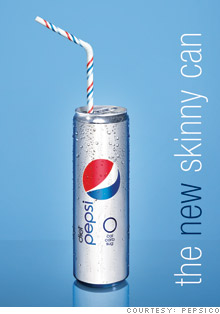
Pepsi, recently unveiled a new design for their Diet Pepsi Cola, which will be made available to customers in March. The new design was presented at New York’s fashion week. Pepsi explains their new design concept as “a slim attractive can” made in the “celebration of beautiful, confident women.” However, many are finding the new can design problematic. NEDA, the National Eating Disorder Association, has publicly denounced the new design and brand positioning created by Pepsi that “skinny is better.”

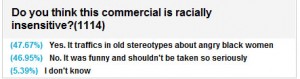
Perhaps, the positioning of Pepsi’s product at Fashion Week was slightly shortsighted, but its interesting to see a number of Pepsi’s advertising efforts coming under fire. After the Super Bowl, the popular PepsiMax commercial featuring an African American couple has been criticized as perpetuating the “Angry Black Woman” stereotype. To me, it’s interesting that the public is split on this issue: whether it was just a funny commercial vs. a problematic racially insensitive piece.

Overall, when Pepsi debuts its new can in March…I think most customers will ask: Does a skinner can mean less soda? the answer? No.

Posted in Uncategorized | Tagged , , , | 3 Comments

Microsoft’s Kinect: Did it “Kinect” to you?

Since the first launch of the Nintendo Wii, the video games industry has continued to investigate and develop the world of motion-sensor games, causing a new era in the world of video game and players.  No longer are games targeted to 13-40 year old male consumers; both male and females, from young children to the elders are using motion sensor games to get active & lose weight.

On November 4, 2010, Microsoft officially launched their motion-sensor product: the Kinect.  Using 500 million dollars as their budget, they placed ads on Kellog’s cereal boxes, Pepsi cans, print ads on various magazines.  Launch events with celebrities (Ashley Tisdale, David Beckham, Neyo) playing with the device, and giveaways on the Oprah Winfrey show, Late Night with Jimmy Fallon, and even contests with Burger King helped catch the audience’s attention as well.  More importantly, they placed commercials in between popular shows such as Glee, and Dancing with the Stars.

Clearly, their marketing strategy is to target the casual market.  With commercials that show off the product using catchy music, and participants from all gender and race, Microsoft is trying to promote this gaming console as a new lifestyle to enjoy with friends and family. Given the huge marketing budget, it almost seems impossible for anybody to not have heard about this product.

Although Microsoft is heavily “bashing” our heads with a surplus of commercial and ads about the Kinect, is their efforts and investment paying off?  Just by looking at the kinect sensor sales alone, Microsoft has revealed the this product has sold nearly up to 8 million units over the holidays. So, assuming that they have sold 8 million units, let’s do the math:

Price of the Kinect sensor: $150

$150 x 8 million = $1,200,000,000
$1,200,000,000 – 500,000,000 = $700,000,000

Phew.  That’s a LOT of money, no? But, was the 500 million dollar investment REALLY necessary, or could they have spent less and earned more money in their pocket?

Posted in Uncategorized | 1 Comment