Neil Young Wants To Take You For A Ride in His Car

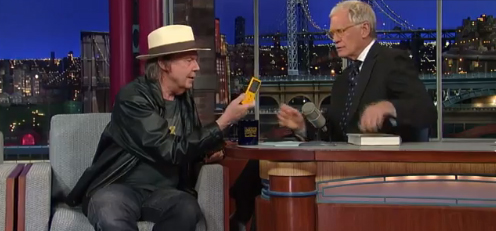
In Hawaiian, the word “Pono” means “righteous, the one, the whole.” It’s also the name of Neil Young’s new music player that has quite a few people talking. While the merits of the player, which has a hefty price tag of $399, are clearly up for debate, what is not is the effectiveness of the communication campaign surrounding the launch of Young’s pet project. As founder and chairman of PonoMusic, Young has been very busy. In addition to the Kickstarter launch video, Young has been promoting Pono on The Colbert Report, David Letterman, Howard Stern and more. He’s been interviewed by Forbes and Esquire magazines. He’s taken the stage to talk at SXSW and tech conferences. And he’s been inviting people to sit in his car to have a listen at places like the Bonaroo Music Festival in Tennessee.
image

The Pono first came to my attention through a video clip my husband Marty shared with me of Young on the The Colbert Report. My husband is a music lover in the same way I am a lover of words: a combination of nerdy technical interest and giddy emotional response. So I get why he would be so excited about this new player that emulates the analog listening experience, but why should I, a “normal” music lover care about audio resolution and the “width of the stereo field”? Well, I didn’t, until I saw the video that went on to raise over $6 million through Pono’s Kickstarter campaign.
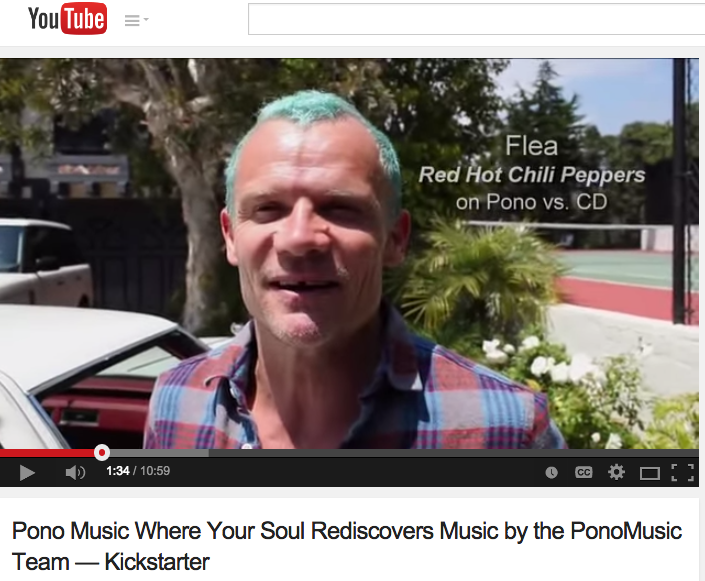
Pono Kickstarter campaign videoBy the end of the eleven-minute video, I was ready to spend my own $399 not only to embrace stereo width but also to advocate its value to anyone who will listen. How did this happen? Because the video brought me into the inner circle of musicians in a way I had never expected nor imagined. I learned that due to file compression (and a bunch of other technical stuff) what I hear on my iPod or even on my CD player is nothing like what the artist intended for me to hear when the song was recorded. I learned that this is a travesty and musicians don’t like it. That they really, really care about what they create in the studio and are frustrated that, despite all our advances in technology, modern-day audio recording actually diminishes the listening experience rather than enhances it. I learned that artists like Beck, Dave Matthews, Nora Jones, Elvis Costello, Eddie Vedder and all of the Mumford sons are super excited about Neil Young’s solution to this problem, a problem I did not know existed mere weeks ago. This communication strategy not only educates the recipient, it also inspires action on the part of a consumer who cares about music on any level. To not care now seems ignorant and disrespectful to the artistic process.

Several artists were invited to sit inside Young’s 1970s Cadillac Eldorado to experience first-hand the Pono in action. While the viewer cannot hear the music booming inside the car with the windows rolled up, what we do see are the artists’ reactions to the Pono experience. We see Mr. Vedder exit the car with a wide smile saying “Yeah, well, I’ve got my drug of choice and it’s now potent again.” Ben Lovett of Mumford & Sons says “Just sat in the future, for 2 minutes, at Bonaroo. It’s pretty wild.” His incredulity is palpable.

What this campaign approach has done is plant the seeds for a new music-listening culture, one that authentically connects music lovers with artists by placing us on the same level of higher expectations and shared experiences. By showing how the artists feel about their craft and what this product can do both for their art and our consumption of it, the distance between us has shrunk dramatically.

The candid nature of the content is augmented by Young’s invitational approach to us, the consumer, and it feels genuine. He states that Pono is “an artist-driven movement” that simply wants us to be able to hear music they way the artists intend, in other words, to enjoy a genuine experience. As he drives off in his caddie, Young explains “We wanted you to be part of this and to help us to launch this music system into the world. It’s a music ecosystem. And we think as music lovers, having you along with us from the beginning…will be a cool thing for you to be part of and for us to be part of with you.” Righteous, indeed.

Three-Ponos-Neil-Young

References:

Hoskinson, J. (Director). (2014). October 14, 2014 – Neil Young [television series
episode]. In S. Colbert, T. Purcell, and J. Stewart (Executive Producers), Colbert Report. New York, NY: Comedy Central.

PonoMusic Team. (2014, April 7). Pono Music Where Your Soul Rediscovers Music. [Kickstarter video]. Retrieved from http://vimeo.com/90088183

RealHomeRecording. (2014, May 15). Raining on Neil Young’s Pono Parade. Retrieved from http://youtu.be/NZGM55ZqZeM

Posted in Uncategorized | 12 Comments

How Belgium conquered the world.

From the age of seven, I spent about ten years in Belgium, culminating in grad school in Leuven—home of Stella Artois—and a stint working in Brussels, the capital city. Belgium is a small country about the size of Maryland, with approximately ten-and-a-half million inhabitants. There are three distinct communities—the Flemish who speak Dutch, the Walloons who speak French, and a small pocket of German speakers to the east.

Ghent Belgium

During the time I lived there, I was always aware of the central place of beer in local culture, even if I didn’t partake until I came of age. In Belgium, beer is as commonplace as chocolate and waffles. It is part of an artisan tradition, which places great emphasis on small, local, expert batches made by craftsmen, using techniques that sometimes date back to the Middle Ages. Continue reading

Posted in Uncategorized | Tagged , , , , , , , , , , , , , | 10 Comments

Get your hustle on!…Kind of?

bruce arians

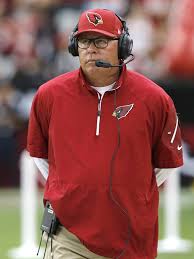
Bruce Arians, Arizona Cardinals’ Head Football Coach, champions using better time management skills over spending unproductive time at work.

Amid a 7-1 season and leading his NFL football division, Bruce Arians the Arizona Cardinals head football coach, believes in the old adage, “work smarter, not harder.” Arians had a long road to a head coaching job in the NFL, and he won’t change what he thinks leads to success-efficient time management. I’ve been arguing this point to my profession for years, the legal industry. Often other lawyers tell me they work 60-80 hour weeks and I wonder with what efficiency. Truth be told, my hours depend on several factors but I cannot in good faith tell you I can remember working a 60 hour week, so, am I lazy? Depends who you ask I suppose. But what about other industries, the medical field, academia, labor industries, etc. Does working long hours correlate to success?

According to some studies, time management is more important than counting hours at the workplace. Perhaps, a combination of strong time management skills and a requisite number of hours spent at a job, are both necessary for success. One thing is clear, there are examples demonstrating how one works is more important than spending countless and unproductive hours at the workplace. The debate will rage on, but in my own experience, I feel refreshed stepping away from a case while I spend time with my family or going to the gym. Sometimes, I even get inspired doing something non-legal, which leads to a breakthrough in a case.  I assume the same is true in other professions.

But I want to address the talkers, those that say they are getting their “hustle on!” Those who seek to convey to their stakeholders they are always working. But doesn’t that come across as unauthentic? Does anyone believe that someone can work 23 out of 24 hours a day? In this day of social media, where branding and perception are more important than ever, ostensibly many people, most of our own Facebook friends want to appear as though they are constantly being productive. It comes across as annoying bragging. Uses and Gratification theory explains why people chose to use media. Social media interaction seems to provide gratification to users whether their content is true or not.

When I spent time in Ibiza, a gentleman said we Americans, “live to work, while Europeans, work at living.” In all fairness, this is clearly a generalization, but there is some truth to it. It seems that here in the States, we’ve placed a premium on the appearance of having a strong work ethic. But a 7-1 record cited above, Steve Spurrier’s 1996 national title and other personal examples of success while maintaining balance in one’s life, show me time management is more important that appearing to work hard any day.

References

Crouse, K. (2014, November 7). Cardinals’ Bruce Arians took long route to top N.F.L. job. The New York Times. Retrieved November 7, 2014 from http://www.nytimes.com/2014/11/08/sports/football/cardinals-bruce-arians-took-long-route-to-top-nfl-job.html?_r=0

DeMao, S. (2014). Business Today. Retrieved November 7, 2014 from http://www.businesstodaync.com/toolbox/1039-is-your-work-ethic-affecting-productivity

Keown, T. (2014, October 16). Bruce Arians knows only one way. Espn.com. Retrieved November 7, 2014 from http://espn.go.com/nfl/story/_/id/11704642/bruce-arians-arizona-cardinals-plans-coaching-nothing-lose

Taylor, H. (2013, January 4 posted on Youtube). Funny time management video.

Vaynerchuk, G. (2013). Jab, jab, jab, right hook: How to tell your story in a noisy, social world. New York:Harper Collins.

Young, A. (2010). Brand media strategy: Integrated communications planning in the digital era. New York: Palgrave Macmillan.

Posted in Uncategorized | 6 Comments

The Hidden Hook

I like to think I don’t consume a lot of media or expose myself to a ton of advertising. My favorite ads are the freeway billboards for VALUES.com. Seriously, I don’t know why we can’t have more of these types of messages infiltrating the various advertising spaces and media platforms. I guess because they aren’t really selling anything. Well at least that is what I thought when starting this post.

While reading Jab, Jab, Jab, Right Hook this week, I couldn’t help but think of my favorite freeway billboard and wonder if there are companies who are solely about the jab. (What would be the point, right?) I follow VALUES.com, a part of The Foundation for a Better Life on Facebook, Twitter and Pinterest—surprisingly, I couldn’t find an Instagram for the NPO. Not that it really matters to me since I rarely use any of these accounts. However, in search of answers I checked out the organization’s pages on each of these social media sites. From what I could tell in my quick review, the marketing team (or maybe an organization acting on The Foundation’s behalf) does a good job of speaking the various social media languages but all they do is jab, jab, jab. I don’t see much hooking…wait, let’s call it selling in this context.

Something didn’t add up though and after some reflection I couldn’t believe that I was so oblivious to what looked like feel good jabs were actually attempted hooks! How could I have failed to see until writing this that The Foundation for a Better Life is selling an ideology?  I just happen to agree with their beliefs, more or less, so I was an easy mark. Further adding to my naivety was that the ads don’t ask for money (According to The Foundation’s FAQ page, they do “not solicit nor accept monetary contributions of any kind”.) See how I might think this is all so innocent? I’m not saying The Foundation is bad, at least from my perspective. It’s just that now I’m back to the drawing board in looking for lone jabber and this time with greater skepticism.

You’re likely much wiser to the ways of the marketing world but is there a time you have been blinded by an organization’s hidden hook?

Posted in Uncategorized | 4 Comments

Do you hear that? Listen closely because it’s Gen Z’s turn to talk!

I’m getting tired of talking about millennials. I’m not dismissing their importance but as focused as we are on the present, we have to look to the future. While there are things we can’t predict, there’s one thing we know for sure – there’s a new player at the consumer table: Generation Z.

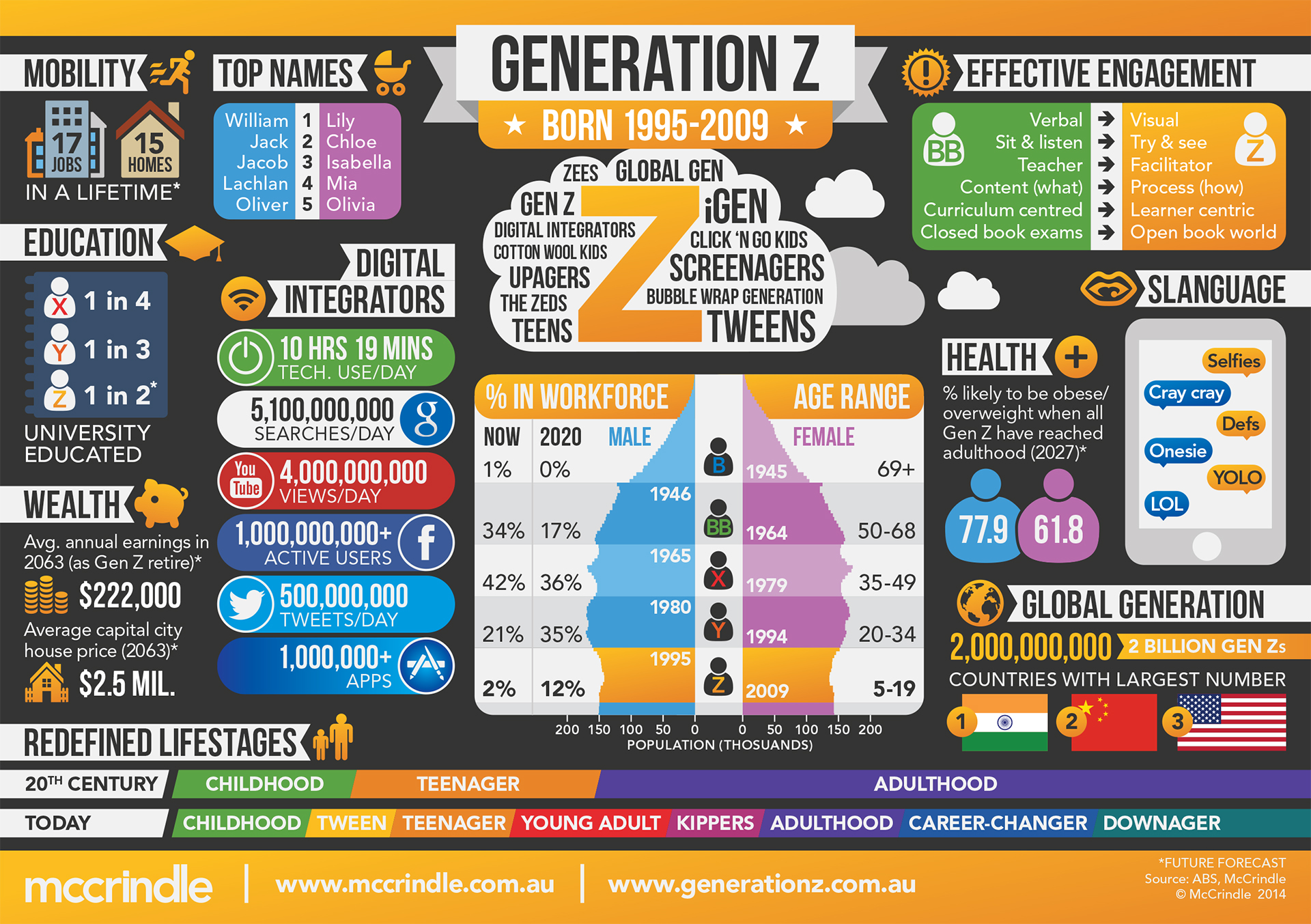
Who is Generation Z? They were born after 1995 (Baltazar, 2014). They are certainly an interesting group and much more than an extension of the well-known and well analyzed Millennials. A few fun facts about Gen Z: they account for 25% of America’s population; they grew up during a recession and understand financial hardship, are fiscally responsible yet they have approximately $44 billion per year to spend; they spend that money online; they are entrepreneurial; have short attention spans and are worried about the human impact on the planet (Lagorio-Chafkin, 2014).

Generation-Z-Infographic

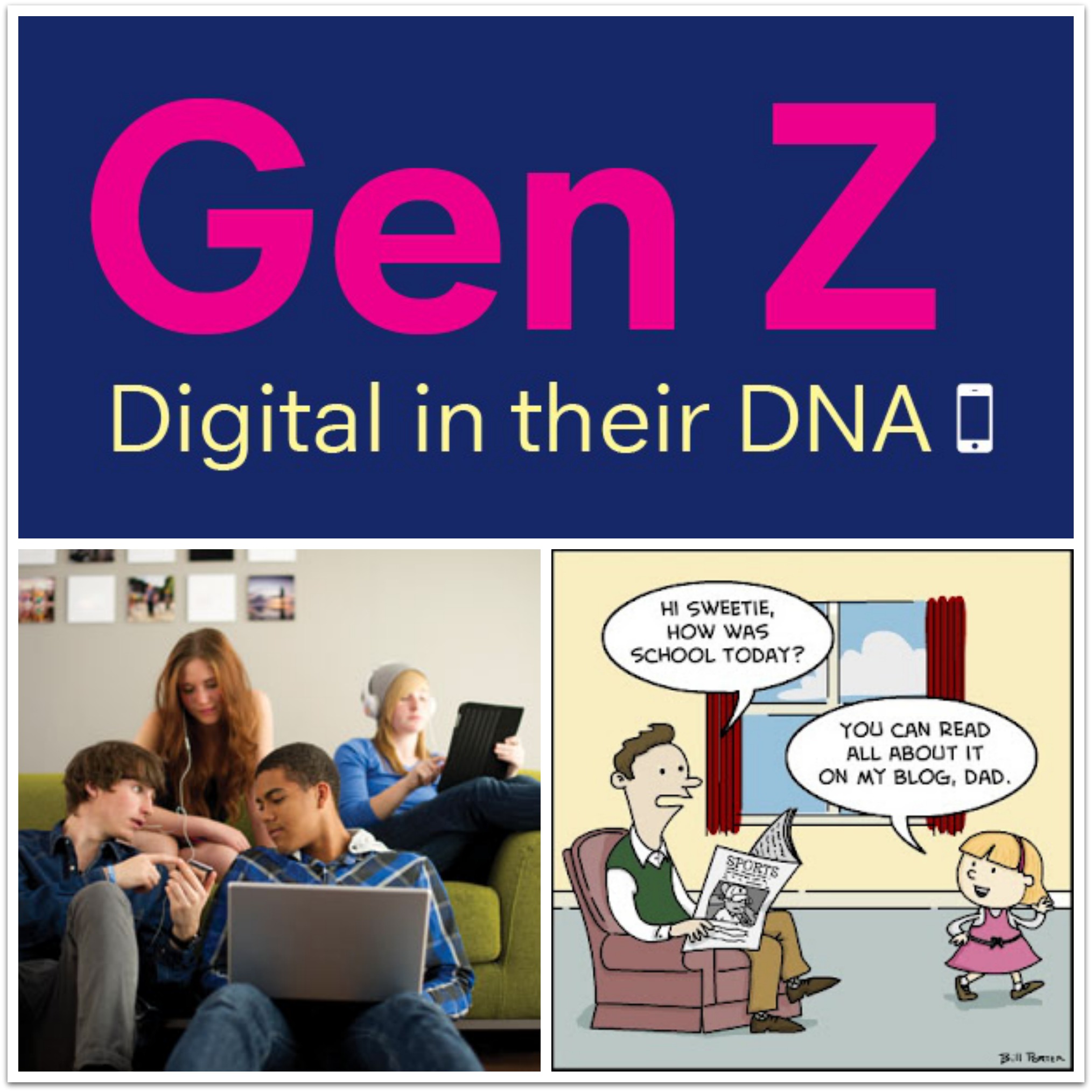
Needless to say, the Gen Z consumer has grown up with computers and smart phones and their social media literacy is going to have an impact on what we hear from them and in turn what they want to hear from us as marketers. It’s a certainty that Gen Z will invent the next iteration of social media, which will undoubtedly change the way we market, yet again.

Generation-Z-Collage

However, what strikes me most about what I have read about Gen Z is their desire to make a difference – “social entrepreneurship” (Lagorio-Chafkin, 2014). We crunch the numbers and study the demographics because it’s our job to figure out how to market or sell to this target group. This is based on an assumption that in both the near and distance future it will be business as usual. However, I’m not so sure that it is going to be the case.

Lately, I have been thinking a great deal about natural resources and their increasing scarcity. This probably has to do with the drought here in California. Putting aside politics and the debate over climate change, there can be no doubt that as the world’s population grows, resources will become scarcer. There are certainly those who believe this will lead to global conflicts, resource wars and unrest (Klare, 2013). So what does this have to do with Gen Z? I think everything.

Gen Z may have no choice but to change the world and in the process consumption and with that marketing. Products and services – where they come from, how they are made and sourced, their impact on communities and the environment, how they are employed and the footprint they are leaving could be central to how Gen Z consumes. What does that mean for marketing today and for the future? We often talk about two-way communication in social media marketing. I would argue that a great deal of this is disingenuous. Currently companies want to appear as though they are listening to and are engaged in a conversation with their consumer. When the Gen Z wave comes ashore, I suggest the conversation is going to get very real. If the Gen Z consumer acts in a manner consistent with the data, they may drive the conversation as well as the direction of the marketing not to mention the direction of the companies themselves.

I submit that now is the time to start honestly engaging with Gen Z. That does not mean tossing aside baby boomers and Millennials. It means using social media to drill down into the real needs and wants of Gen Z in a way that is authentic to them, not the brand. To bend the concept of the very in tune Gary Vaynerchuk, it is time for marketers to listen hard; time to seek out and take a few jabs before Gen Z throws a right hook.

References:

Baltazar, A. (2014). Everything you need to know about generation Z. JCK. Retrieved from http://www.jckonline.com/2014/09/04/everything-you-need-to-know-about-generation-z

Klare, M. T. (2013). How resource scarcity and climate change could produce global explosion. The Nation. Retrieved from http://www.thenation.com/article/173967/how-resource-scarcity-and-climate-change-could-produce-global-explosion#

Joye, C.  (2013).  Is your brand ready for generation Z?  Re

Lagorio-Chafkin, C. (2014). The most entrepreneurial generation yet. Inc. Retrieved from http://www.inc.com/christine-lagorio/entrepreneurial-generation-z.html

Lepi, K. (2013). The complete visual guide to Generation Z. Edudemic. Retrieved from http://www.edudemic.com/generation-z/


Posted in Uncategorized | 4 Comments

The Seduction of Storytelling

I’m in love with a Penguin…

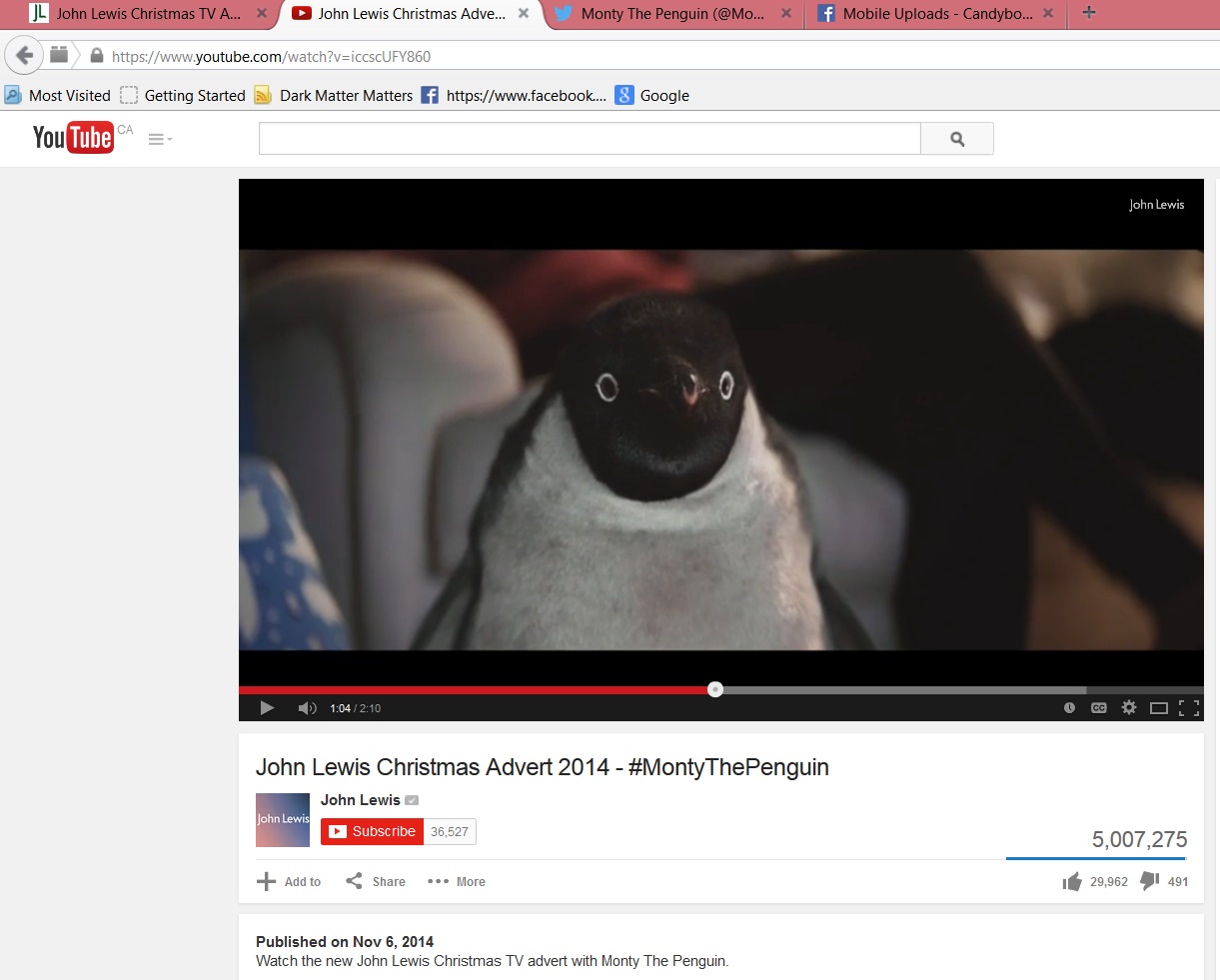
It all started very innocently. I was simply flipping through my Twitter feed and suddenly my heart stopped. (It was actually my thumb, but heart sounds more romantic.) One look at those beady, little eyes (and his adorable YouTube video) and I was hooked. His name is Monty and he is the star of a new Christmas advertisement by UK retailer John Lewis. The upscale department store launched its Monty the Penguin commercial on November 6 and one day later the YouTube video had tallied over 5,000,000 views.

Monty YouTube

http://youtu.be/iccscUFY860

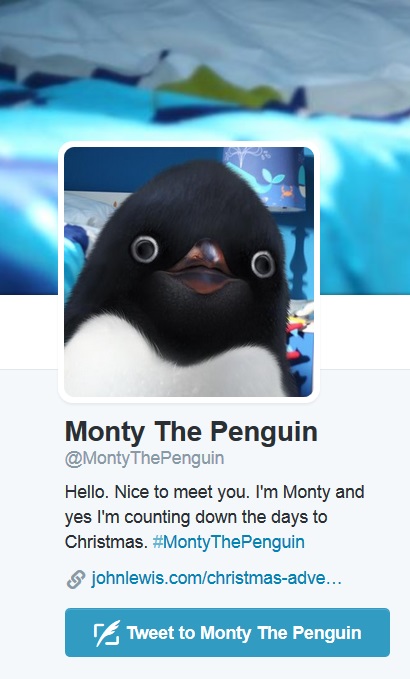
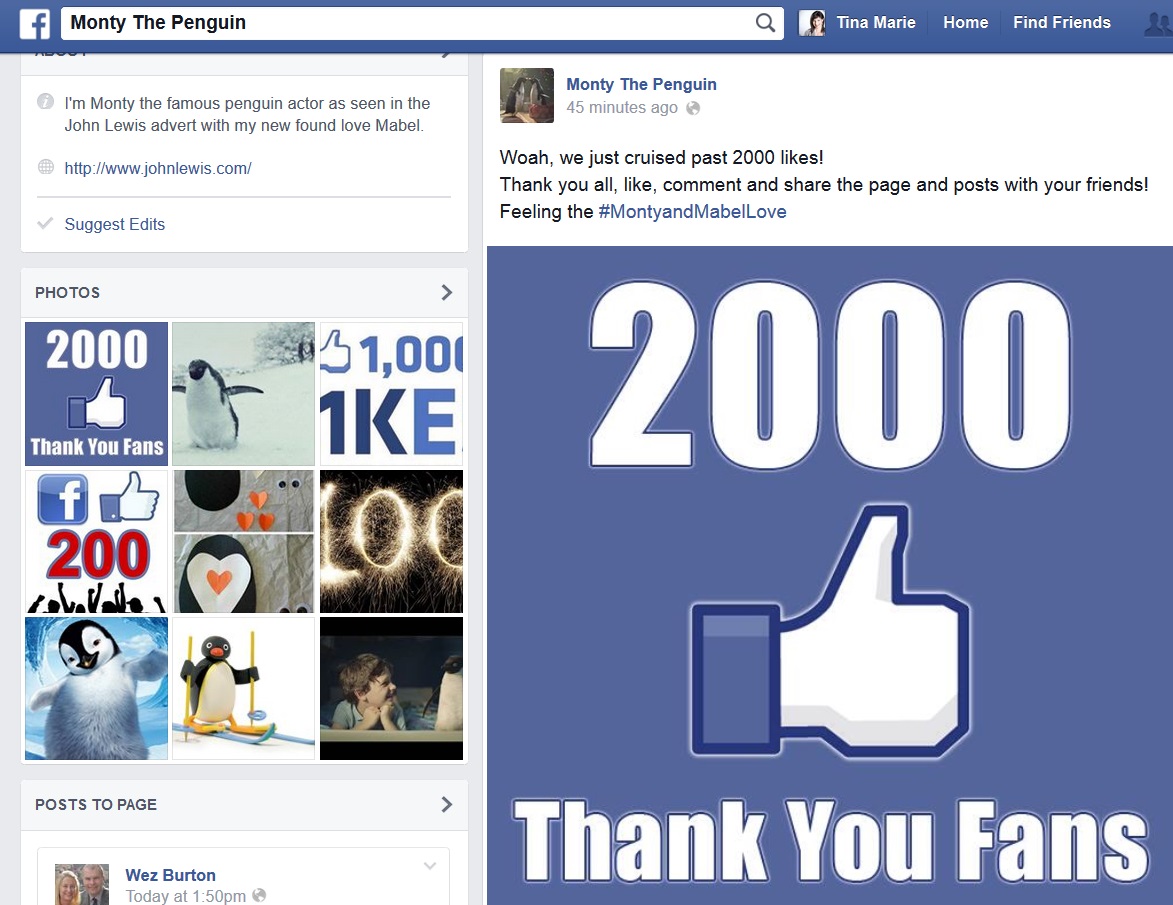
Being a social media animal, Monty also has a Twitter account with over 18,000 followers and already has reached over 2,000 ‘Likes’ on this Facebook page. Not bad for a bird without any thumbs.

Monty Twitter Account      Monty Facebook

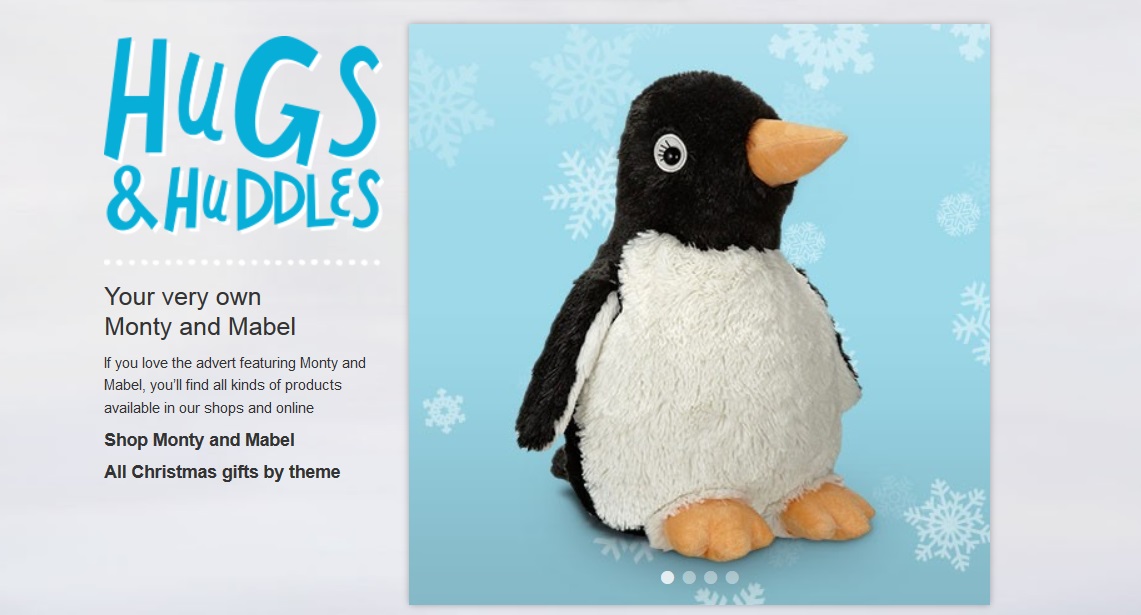
A quick visit to the John Lewis website and I discovered that my newly beloved also has a full merchandise line, an online game, his own storybook, an app, an in-store penguin den for photo ops, virtual reality goggles, and a corporate social responsibility program to support the World Wildlife Fund. The cost to produce the ad was ₤1m and the entire campaign will come in at a cool (pardon the pun) ₤7m (Butler, 2014). The campaign brilliantly uses social media to promote both online and in-store shopping for a complete shopping experience (Butler, 2014).

Monty Merchandise

Despite the fact this campaign was extremely well planned, executed, and integrated across various communication channels, that is not why I — or the world — fell hopelessly, instantly in love with Monty the Penguin. We fell in love because of the story. We fell in love with a heartwarming Christmas story about a little boy and the love he had for his little penguin friend. (I won’t share anymore in case you haven’t seen the video.) It was the story that stole our hearts.

From the glow of campfires to the glow of iPads, we humans have shared our stories with friends and family since the beginning of time. No communication device is more powerful (Storytelling, 2003). In fact, brand storytelling through social media can increase consumer advocacy by 90% and increase revenue by 257% (Waggener Edstrom, 2014). Simply put, storytelling should be the number one focus of companies today because as Gary Vaynerchuk stated in his book Jab, Jab, Jab, Right Hook “there is no sale without the story” (Vaynerchuk, 2013, p. 7). Plus, storytelling guru Robert McKee stated, “If you can harness imagination and the principles of a well-told story, then you get people rising to their feet amid thunderous applause” (Storytelling, 2003). Better yet, you might even get them to fall in love.

love

References:

Butler, S. (2014). John Lewis unveils Christmas ad starring Monty the penguin. The Guardian. Retrieved from http://www.theguardian.com/business/2014/nov/06/john-lewis-unveils-christmas-ad-starring-monty-the-penguin

John Lewis:  http://www.johnlewis.com/christmas-advert-2014-montys-christmas?intcmp=hp_tl_b_monty_X061114

Storytelling that moves people: A conversation with screenwriting coach Robert McKee. (2003, June). Harvard Business Review, 5-8. Retrieved from http://hbr.org/2003/06/storytelling-that-moves-people/ar

Twitter: https://twitter.com/MontyThePenguin

Vaynerchuk, G. (2013). Jab, jab, jab, right hook: How to tell your story in a noisy social world. New York, NY: HarperCollins.

Waggener Edstrom Studio D Asia-Pacific. (2014). Content matters. The impact of brand storytelling online: Understanding the role of digital content on Asian consumer decision-making and ROI. Retrieved from http://www.slideshare.net/APAC-WaggenerEdstrom/waggener-edstrom-studio-d-asiapacific-content-matters-impact-of-content-marketing-on-business-roi-2014-report

Posted in Uncategorized | 8 Comments

How many times have targeted ads aimed right at you?

Thanks to big data and social media, the marketing and advertising world is becoming more efficient. These technologies help us filter all those unnecessary exposure to irrelevant content, and thus optimize advertisers’ media budget. (And of course, invade our privacy.) However, it seems like that every one is discussing big data and using targeted ads as one important marketing tactic, yet not many of them utilize it in a proper way.

Here are some unsuccessful examples:

Abercrombie & Fitch (The brand is recently swamped by growing criticism. Hope they don’t mind I adding one more here.)

Screen Shot 2014-11-03 at 12.56.18Screen Shot 2014-11-07 at 15.04.09

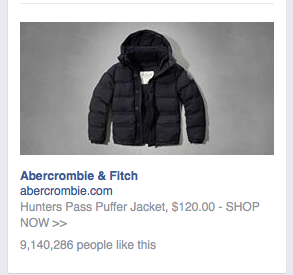
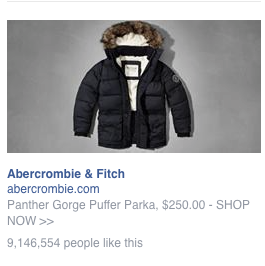
I purchased a puffer jacket at A&F’s online store the other day. Not long after I completed my purchase, I went on Facebook just like I usually do. Then I found a targeted ad from A&F recommending me to buy a puffer jacket AGAIN! It has been a week from my purchase. And guess what? The puffer jacket is still there. What are the odds that I would buy another puffer jacket (the same one) right after my purchase? Believe me, it’s not the first time they did it to me.

Booking.com

Screen Shot 2014-11-07 at 14.32.50

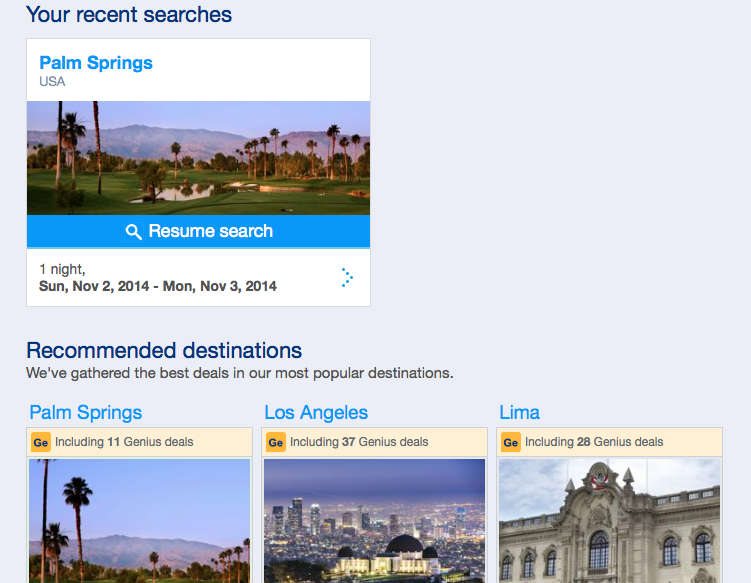
These are the places I booked hotels at during this year. And these are the emails I have been receiving every single week during this year. Every time I came back from the visit, I would surely receive a “lonely” email from booking.com which recommends me to see some of the best deals in that location. How annoying?! What are the odds I would go visit Palm Springs the day after I came back from there?

Yes. Since the cost for targeted ads are not so expensive, the waste is somehow affordable especially for those big names. However, the most concerning problem behind this is losing people’s attention and patience. According to Jab, Jab, Jab, Right Hook (Vaynerchuk, 2013), consumers might be glad to see those content (targeted ads), yet the more irrelevant content you are throwing out, the more likely you are losing your audience’s attention and patience. Remember! People can easily opt out from your email list or hide your ads on Facebook for good. That being said, you are losing the potential opportunities to advertise to your target audience. And it’s very difficult to get them back.

Therefore, please think from the consumers perspective!

To Abercrombie & Fitch: Why would I need to buy the same clothes I bought just one hour ago? How about changing the sales ads right after my purchase to a Thank you note?

To Booking.com: Why would I need to book a hotel at a place where I just came back from? How about changing recommending the same places I went before to helping me explore more exciting destinations, unless your data shows I am a businessman who went to the same place a lot within a short period of time.

I am sorry to only pick up A&F and Booking.com. I am pretty sure there are many other brands like them out there.


Posted in Uncategorized | Tagged , , , , , , | 7 Comments

Coca-Cola Friendly Twist—Open a Coke, Open a New Friendship

It is always hard to start a conversation with a stranger, especially in an era that everyone looks at their mobile devices. Coca-Cola launched a campaign called “Coca-Cola Friendly Twist” in May, 2014 and it achieved great success.

College freshmen feel excited to start their campus life. However, it is difficult for them to break the ice and initiate a conversation with their fellow freshmen. Coca-Cola came up with a great idea to solve this problem. By designing a special cap which can only be opened by a matching top, student have to cooperate with each other before enjoying the ice-cold beverage. It seems that it is not that difficult to build up a connection and a friendship with this “excuse”.

This campaign was launched at a perfect time when a new semester begins, and statistics show that most people are in favor of this idea. This campaign has been viewed for 8,608,286 times on YouTube so far and 29,553 people liked this video. It received countless share and positive comments on Facebook and while searching the hashtag #FriendlyTwist on Twitter, you can find people continuously share their love for this campaign and their admiration to Coca-Cola’s effort in helping students to connect to each other.

https://www.youtube.com/watch?v=t9cmoT_wb0A

The brand ideal of Coca-Cola is sharing the moment of happiness. Therefore, this ad is in accordance with its brand’s core value. Moreover, this campaign is fun and innovative, which easily grabs young people’s attention. Last but not least, it takes good advantage of all kinds of social media platforms, so that customers can get involved and share their thoughts about this campaign. Personally I like this campaign a lot because for one thing, it is heart-warming, and for another, it is thought-provoking which lets me pay more attention to personal communication.

Undoubtedly, the improvement of technology makes our lives more convenient and we no longer heavily rely on personal communication to exchange ideas. Nevertheless, this campaign reminds us that sometimes we should get rid of our mobile devices and bravely start a conversation with the people around us.

Discussion questions:

1. How do you like this campaign and why?

2. Is there any drawbacks of this campaign? If so, what improvements can Coca-Cola Company make?

References:

Staff, J (2014, August 12). “Friendly Twist”: Watch college freshmen bond over unique coke bottles. Retrieved from: http://www.coca-colacompany.com/stories/friendly-twist-watch-college-freshmen-bond-over-unique-coke-bottles

Chohan, T. (2014, Sepember 16). Why students love Coca-Cola’s “Friendly Twist” campaign. Retrieved from: http://www.marketingtechnews.net/news/2014/sep/16/why-students-love-coca-colas-friendly-twist-marketing-campaign/


Posted in Uncategorized | 6 Comments

How my Masters has informed my job hunt

After reviewing Vaynerchek’s book Jab, Jab, Jab, Right Hook (2013), I felt that I could use social media to market any brand more effectively. This got me thinking about my personal brand and my interest in marketing “Sarah Nettinga” as I seek to return to the work world full time after completing my Masters in Communication from USC and having a baby.

So I turned to online information about the idea of using social media to get a job through an online search. Not too surprisingly, everyone was suggesting that Linked in was the only option! Really! Linked in has done very little for me thus far, so I guess I better figure out how to use the platform more effectively. I need to master it.

Also, I found another shocking truth, “employers and recruiters are using social media more while using job boards less, a trend that began in 2008 (para. 7).” This makes me want to improve my brand and social media profile online. I look at my current social media presence and it seems as though Sarah Nettinga is not engaged on social media. This, of course, is true. I’ve been trying for years to figure out how I wanted to use the various platforms. Instead of just putting whatever entertained me in the space, I really didn’t do much of anything.

Now, I’m going to completely reverse this trend around Sarah Nettinga and deliver messaging that will get me noticed. My plan is to build a marketing/branding campaign around Sarah Nettinga and see if I can’t get myself noticed.

A crazy idea, but if it works, it could help others that are looking to rebrand themselves in the wake of the many changes in the communication channels that have displaced old ways of thinking. I would like very much to help others like me and be the Gary Vaynerchuk for job seekers! Develop a road map to change how people look for a job. What a great idea? Or at least I hope it is.

I also found another article that proved that I was onto something and I’m going to provide the link here because it was so great.

http://www.forbes.com/sites/susanadams/2013/08/13/an-experts-seven-tips-for-using-social-media-to-get-a-job/

Let me know what you think! Am I onto something, a dreamer, or both? I can’t think of a better group of people to ask.

Reference

Joyce, S. P. (2014). Guide to social media and job search. Job Hunt.org. Retrieved from http://www.job-hunt.org/social-networking/social-media.shtml

Posted in Uncategorized | 5 Comments

Victoria’s Secret: A Lesson on Consumer Power

Storefront

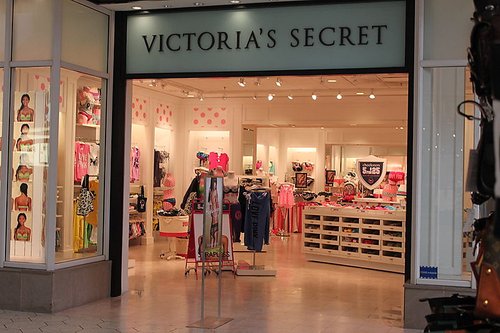
Victoria’s Secret recently came under fire for its “Perfect Body” campaign. The series of online and print ads featured several thin supermodels posing in lingerie with the ad copy “The Perfect Body” across the images.

The campaign has been criticized for being overtly exclusive, showing women a body type that is unattainable and unnatural for most. The campaign received criticism from eating disorder awareness programs, a wave of bloggers, consumers and other fashion lines.

In the UK, fashion retailer JD Williams responded by launching the “Imperfectly Perfect” campaign for women’s clothing, and invited women to share their #FavouriteFlaw. The campaign was aimed to promote confidence and beauty in women of different sizes, shapes and ages.

An online petition to change the campaign garnered over 27,000 signatures over the past week. After consumers’ campaign against Victoria’s Secret, and over a week of running “The Perfect Body” ads, the brand quietly changed the text of the campaign, ditching the word “perfect”. The ad copy now reads “A Body for Every Body.” Although the images are still those of the same models, the text has changed to communicate a more inclusive message.

To me, this story illustrates the growing power that consumers have in the consumer-brand relationship. Word-of-mouth, peer reviews and consumer-generated branded content carries a lot of weight these days. Considering that target consumers are the lifeline of any business, it would seem that brands would do well to stay attuned to consumers’ shifting trends and ideologies. Victoria’s Secret’s recent blunder made me wonder how certain brands can “live” through or adapt to these changes. Several years ago, perhaps consumers’ criticism of the campaign might not have been so strong. If the consumer insight behind a beauty brand like Victoria’s Secret is about achieving unattainable physical perfection, and there is a general consumer movement away from this ideology, how can the brand adjust? Is there a way to meet in the middle without compromising the brand’s unique selling point or brand identity?

Posted in Uncategorized | 1 Comment